In brief
French authorities imposed curfews in key cities to stop a December‑borne wave of riots, police claims. Targeted bans in Paris, Marseille, Bordeaux and Lyon helped restore silence overnight. The Prime Minister thanked law‑enforcement, noting further curfews may be added as needed. Interior Minister Nuñez admitted police control was lost in some spots, and over 2,500 arrests have been made. The protests, sparked by student demands, have now drawn on broader social grievances.
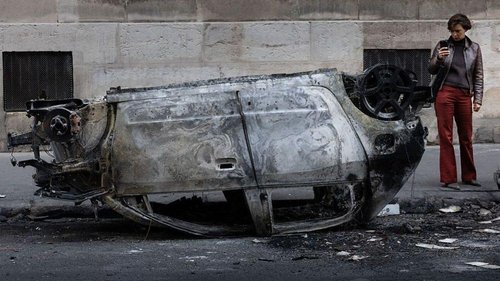
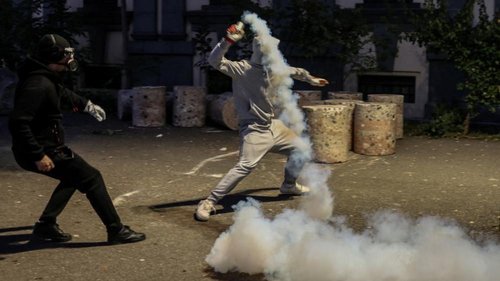
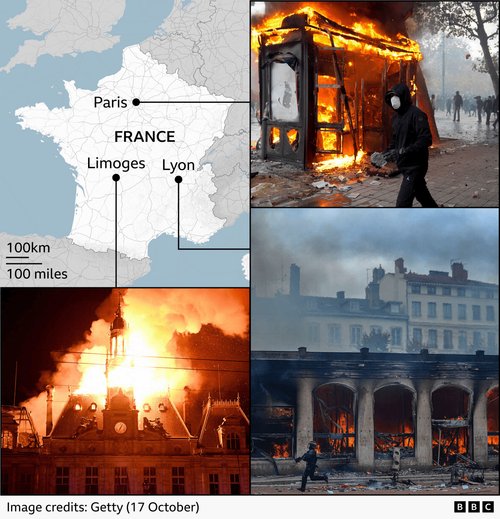
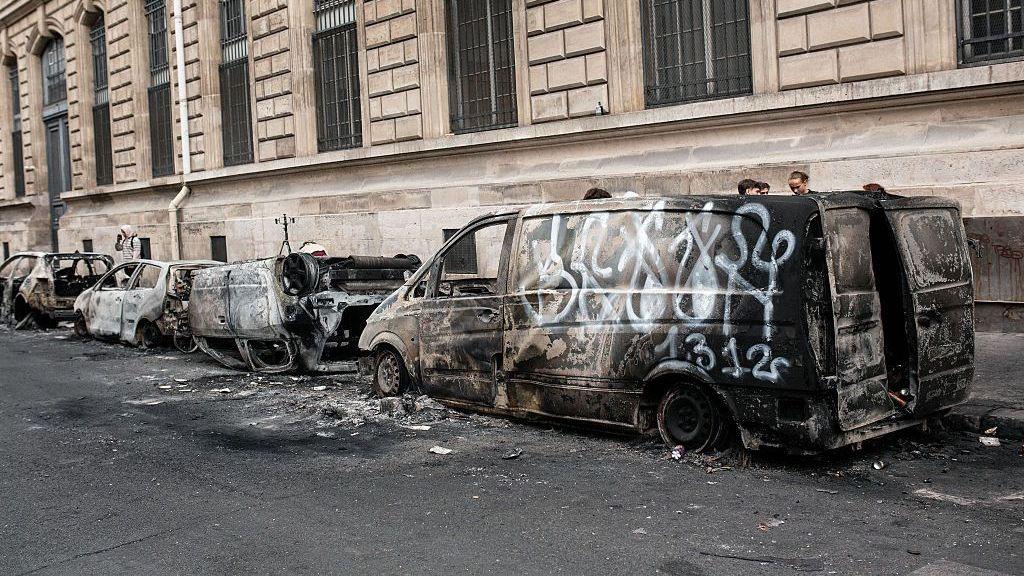
French cities fell silent overnight after authorities slashed curfews amid weekend riots and looting. Prime Minister Sebastian Lecornu said the targeted restrictions around Paris and the southern cities of Marseille, Bordeaux, Nice and Lyon had stopped the unrest, creating a quiet night across the country.
The curfews were first introduced in central Paris, including Place de la République and Les Halles, where protesters had gathered. Separate limits on movement for young people and large assemblies were imposed in additional cities such as Lille and other northern towns.
Lecornu thanked police officers and gendarmes for enforcing the curfew and added that further restrictions on Tuesday night would be decided on a city‑by‑city basis depending on need. He wrote on X that decisions would be "on the ground" by local authorities.
Interior Minister Laurent Nuñez earlier admitted police had lost control in some cities, a claim that drew criticism from opposition politicians and led him to offer his resignation. President Emmanuel Macron rejected the resignation.
Since the protests began over last month’s student demonstrations, the unrest has broadened to include trade unions and other groups. Over 2,500 people have been arrested to date, with police injuries reported and incidents such as a demonstrator losing a hand to a crowd‑control grenade documented by AFP.