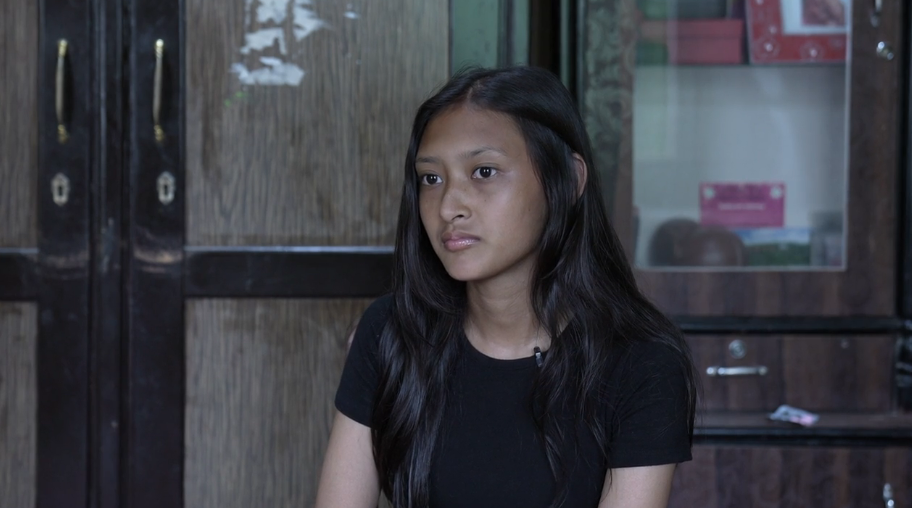
In the densely populated Al‑Mawasi camp, a six‑year‑old girl named Raseel al‑Balawi has become a stark symbol of the cost of the Israeli‑Gaza conflict. The tiny child—once a bright pupil in the local school—was struck in late July by a bomb dropped from an Israeli helicopter, leaving her with complicated open wounds that have infected repeatedly since. Drs treating her in the camp’s makeshift clinic say the city‑wide lack of supplies has forced Raseel to undergo more than 20 operations in just over a month.
“Each surgery is a race against infection,” says the senior surgeon who has worked at Al‑Mawasi’s diesel‑powered operating theatre. “We have to operate within tight windows before the infection spreads into her bloodstream.” Yet the healthcare workers face relentless shortages of anaesthesia, sterile equipment and antibiotics, a reality made worse by the broader blockaded water and energy supplies.
The Israeli military have denied responsibility for the strike that hit Raseel, claiming no record of the attack exists, and apologised “for any harm to civilians.” On the ground, the child’s parents say they fight every day to keep their daughter alive, pulling funds and supplies from the limited charity aid that makes sporadic deliveries into Gaza.
The BBC Eye Investigations team followed Raseel over the summer in a bid to capture the grim reality that hospitals in Gaza have become no‑go zones for big‑time trauma cases, while a daily air raid loop keeps civilians on edge. The full film of Raseel’s story can be watched on iPlayer here: full film on iPlayer.