In brief
The Irish government is concluding a fuel support package after constructive meetings with haulage and farming representatives. The package is being discussed amidst ongoing protests against soaring fuel prices, attributed to geopolitical tensions. As the protests impact transportation networks, including Dublin Airport, Irish ministers emphasize the necessity for ending blockades to restore normalcy, citing critical risks to emergency services. Stakeholders are optimistic about government proposals as protests show no signs of abating.
The Irish Government has confirmed that a fuel support package is being finalised following what they described as constructive engagement with representatives of the haulage and farming sectors.
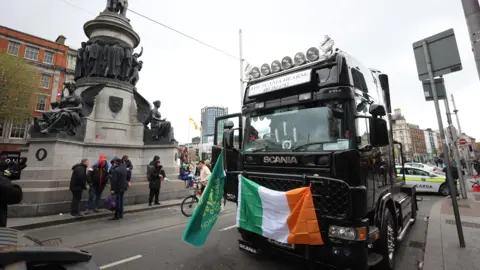
This announcement comes as travel across parts of the Republic of Ireland is affected for the fourth consecutive day due to slow-moving convoys, comprised of vehicles including tractors, blocking roads in protest against high fuel prices exacerbated by the US-Israeli conflict with Iran.
Earlier in the week, Irish ministers indicated that no new support measures would be unveiled until the fuel protesters ceased their blockades. Meetings between Irish ministers and stakeholders are set to continue over the weekend.
Tánaiste (Deputy Prime Minister) and Finance Minister Simon Harris stated there would be a substantial and significant support package targeting key sectors of the economy. Speaking to broadcaster RTÉ, Harris shared that discussions were progressing positively; however, he underscored that the blockades must end.
Taoiseach (Prime Minister) Micheál Martin warned that the protests could lead to severe fuel shortages in emergency response supplies amidst a global oil supply crisis. Reports surfaced of long queues on the M1 towards Northern Ireland due to protesters closing the motorway at Dundalk.
The National Emergency Coordination Group stated that critical fuel supplies for emergency vehicles, including ambulances and fire services, are under increasing strain. Ministers for health labelled the risks to patient safety from ongoing blockades as completely unacceptable, urging protesters to reconsider their actions.
With protests continuing, key figures like farmer John Dallon remain prepared for a lengthy standoff until government interventions ensure fair fuel costs. Meanwhile, Sinn Féin leader Mary Lou McDonald criticized the government for allegedly sidelining protesters from discussions.
The protests were sparked by rapid increases in fuel costs due to international conflicts, significantly impacting agricultural operations and daily commuting expenses. As fuel prices continue to rise, Irish citizens are facing unprecedented challenges in mobility and economic stability.