In brief
Iran's execution rate has soared to its highest level since 1989, driven largely by a crackdown on dissent following mass protests. The increase in executions predominantly involves drug-related offenses and political dissenters, highlighting the regime's hardline stance in response to civil unrest. Human rights groups express concern over the systematic use of capital punishment as a tool of oppression.
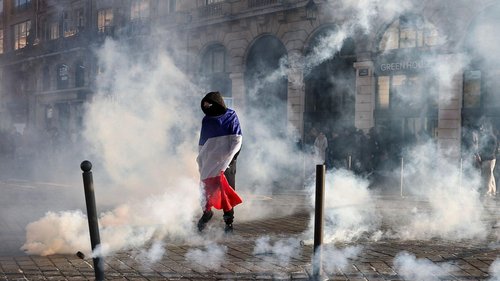
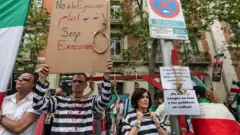
Iran executed at least 1,639 people last year, the highest number recorded there since 1989, according to two non-governmental organizations. This total represents an increase of 68% compared to 2024, when 975 executions were recorded, according to a report by Norway-based Iran Human Rights (IHR) and Paris-based Together Against the Death Penalty (EPCM). Most of those hanged were convicted of drug-related offenses or murder, but at least 57 were convicted of security-related charges, including two protesters.The NGOs warn that Iranian authorities could use executions even more extensively this year in response to protests following recent civil unrest and geopolitical tensions with the US and Israel. Since late February, seven individuals have been executed in connection with the protests against the regime, during which thousands were killed or detained in a major crackdown.Among those executed were six individuals convicted of membership in the exiled opposition group Mujahideen-e Khalq (MEK) and one individual for spying for Israel.Iran has long been the world's second most prolific executioner after China, where exact numbers remain undisclosed but are believed to be in the thousands. The recent figures represent an average of four executions per day, raising alarm among human rights groups.795 executions were related to drug offenses, a 58% increase from the previous year, while 747 involved murder, which was a 79% increase. Additionally, at least 48 women were executed, marking a 55% rise compared to 2024.Ethnic minorities and marginalized groups have been disproportionately affected by these executions. Over half of the executions were based on sentences from Revolutionary Courts, often deemed grossly unfair. Activists warn that if the Islamic Republic survives its current crisis, there is a significant risk that executions will be used more extensively as a tool of oppression.At least 16 people linked to the 2022 Woman, Life, Freedom protests remain at risk of execution. While over 27 others have been sentenced to death due to recent protests, escalating violence and state repression raise critical concerns about the future of human rights in Iran.}