In brief
A recent inquiry into the post-election violence in Tanzania has confirmed that at least 518 individuals lost their lives due to 'unnatural causes' related to widespread protests following the general elections. The inquiry's findings have ignited further debates about the role of security forces during the unrest, with accusations of violent crackdowns on demonstrators. President Samia Suluhu Hassan's administration faces scrutiny as the opposition claims the report serves to absolve the government of responsibility while urging deeper investigations into the violence.
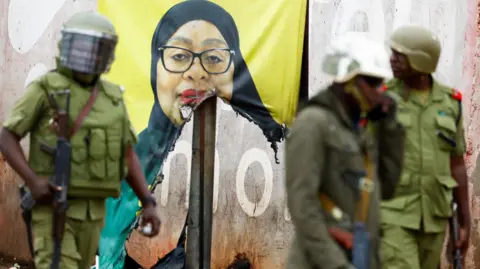
A total of 518 people died in Tanzania from unnatural causes in the wake of widespread protests that followed last year's general election, the commission of inquiry has announced. However, commission chairman Mohamed Chande Othman did not specify who was responsible for the deaths and recommended further investigations. Opposition parties and human rights groups have accused security forces of conducting a brutal crackdown on anti-government protests.President Samia Suluhu Hassan was declared the winner of the 29 October poll with 98% of the vote, which the opposition described as a mockery of democracy. The president claimed the election was fair and attributed the violence to foreign plots to overthrow her government.International observers noted a lack of transparency in the election process, while the violence that erupted was alarming for a nation known for its long-standing stability. Allegations included images and reports of police using lethal force against protesters, which included throwing tear gas and allegedly shooting at crowds.Othman also reported that 490 victims were male, with 21 children and 16 security officers among the dead, indicating that the death toll could be higher as many victims were reportedly buried without official records. Political unrest and demands for reform can be traced to deeper societal issues, including unemployment and disillusionment with a dominant political party.Following the inquiry, the commission offered recommendations for healing, including proposals for a commission of criminal inquiry and the establishment of a national day of mourning for the victims. Opposition parties remain skeptical, claiming that the inquiry lacks impartiality given its ties to the government. Overall, the findings further underline the tensions in Tanzanian society and call into question the health of its democratic processes.}