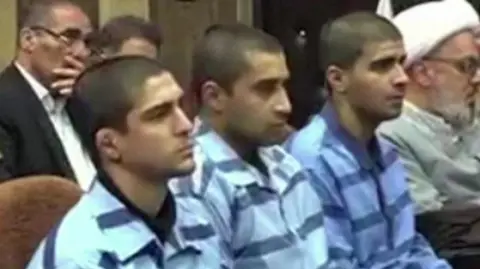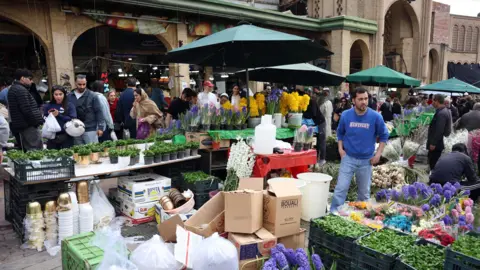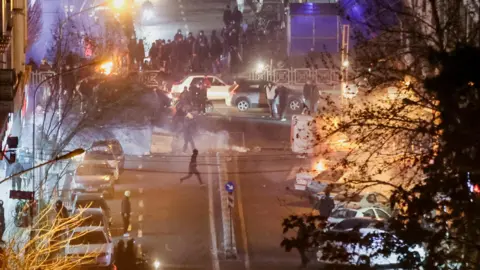
How does an authoritarian regime die? As Ernest Hemingway famously said about going broke: gradually then suddenly. Protesters in Iran hope the Islamic regime in Tehran is nearing its sudden collapse, but signs indicate that if it's dying, it remains in the gradual stage.
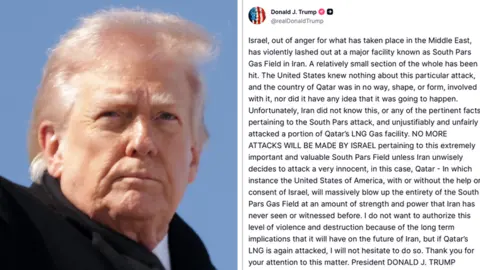
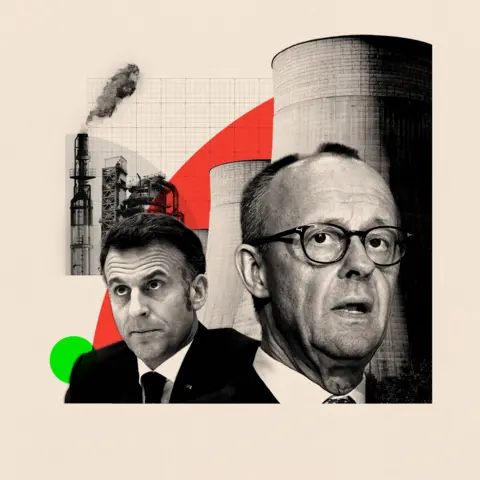
Recent unrest has intensified the crisis for the regime, escalating tensions exacerbated by military pressures from the US and Israel. However, the more immediate cause of distress for Iranians has been escalating economic hardships following a series of renewed sanctions. In September, the UK, Germany, and France reinstated all the UN sanctions that had been lifted under the 2015 nuclear deal, leading to rampant inflation and a plummeting currency.
Although the Iranian regime is under immense pressure, evidence suggests it is far from collapse. The loyalty of the security forces plays a crucial role in maintaining the regime's stability. Since the 1979 Islamic revolution, the government has invested in a sophisticated network of coercion and repression.
The security apparatus, mainly governed by the Iranian Revolutionary Guards Corps (IRGC), continues to suppress protests vigorously. The IRGC, which answers directly to the supreme leader, plays a critical role in preserving the ideology and structure of the regime, exacerbating the challenges faced by dissenters.
As the regime responds to the latest protests by cracking down on demonstrators, the outcome remains uncertain. Observers note that without coherent leadership among the opposition and continuous internal security, the regime's fall, while potentially feasible, does not appear imminent. Iran suggests its unique state of equilibrium—one that keeps its authoritarian rule intact, even amidst simmering public discontent.