In brief
Amid ongoing protests in Iran, President Trump has warned that any country doing business with Iran will face a 25% tariff on trade with the United States. This decision could strain relationships, particularly with China, which is Iran's largest trading partner. The uncertainty surrounding the implementation of these tariffs raises concerns about their effects on the global economy and trade dynamics.
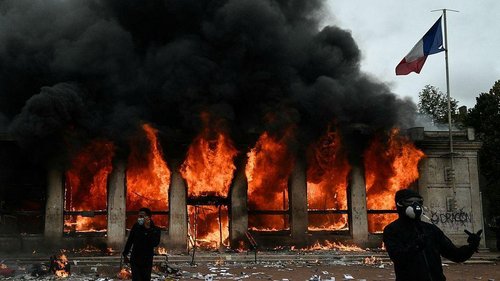
US President Donald Trump has announced that countries conducting business with Iran will incur a 25% tariff on any trade with the United States. This move coincides with a severe crackdown on anti-government protests in Iran, leading to numerous casualties. The implications of this tariff could be vast, given that many nations engage in trade with Iran, with China being its principal trade partner.
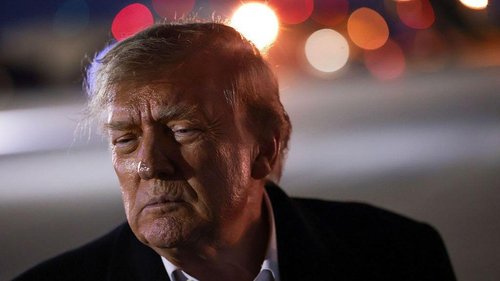
In a post on Truth Social, Trump stated, 'Effective immediately, any country doing business with the Islamic Republic of Iran will pay a tariff of 25% on any and all business being done with the United States of America.' While the announcement was bold, the details on how these tariffs will be enforced remain vague.
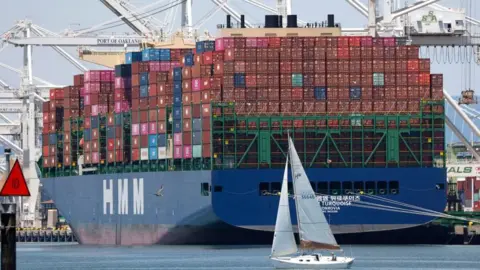
Countries such as Iraq, the United Arab Emirates, and Turkey also play significant roles in Iran's trade. The Iranian economy, largely dependent on oil exports, is in a precarious state due to sanctions and mismanagement, which could amplify the effects of these tariffs.
The potential for escalating tensions between the US and China is significant. Trump’s statement hints at additional tariffs overlapping with existing ones on Chinese goods, necessitating close attention from market analysts. China's prior responses to US tariffs indicate that further retaliatory measures could ensue, complicating US-China relations further.
As Iran faces economic pressures compounded by harsher tariffs, its import dependencies—especially on food and materials—could lead to a humanitarian crisis. The populace is already grappling with soaring inflation rates, which surpass 48% and exacerbated challenges in obtaining basic necessities.
With the Trump administration’s approach raising questions about international trade practices and compliance, the unfolding situation poses risks not only to US foreign relations but also to the global economic landscape at large.