As the Trump administration intensifies immigration enforcement nationwide, a wave of high-profile arrests — many unfolding at private homes and businesses and captured on video — has pushed one legal question into the national debate: When can federal immigration agents lawfully enter private property to make an arrest?
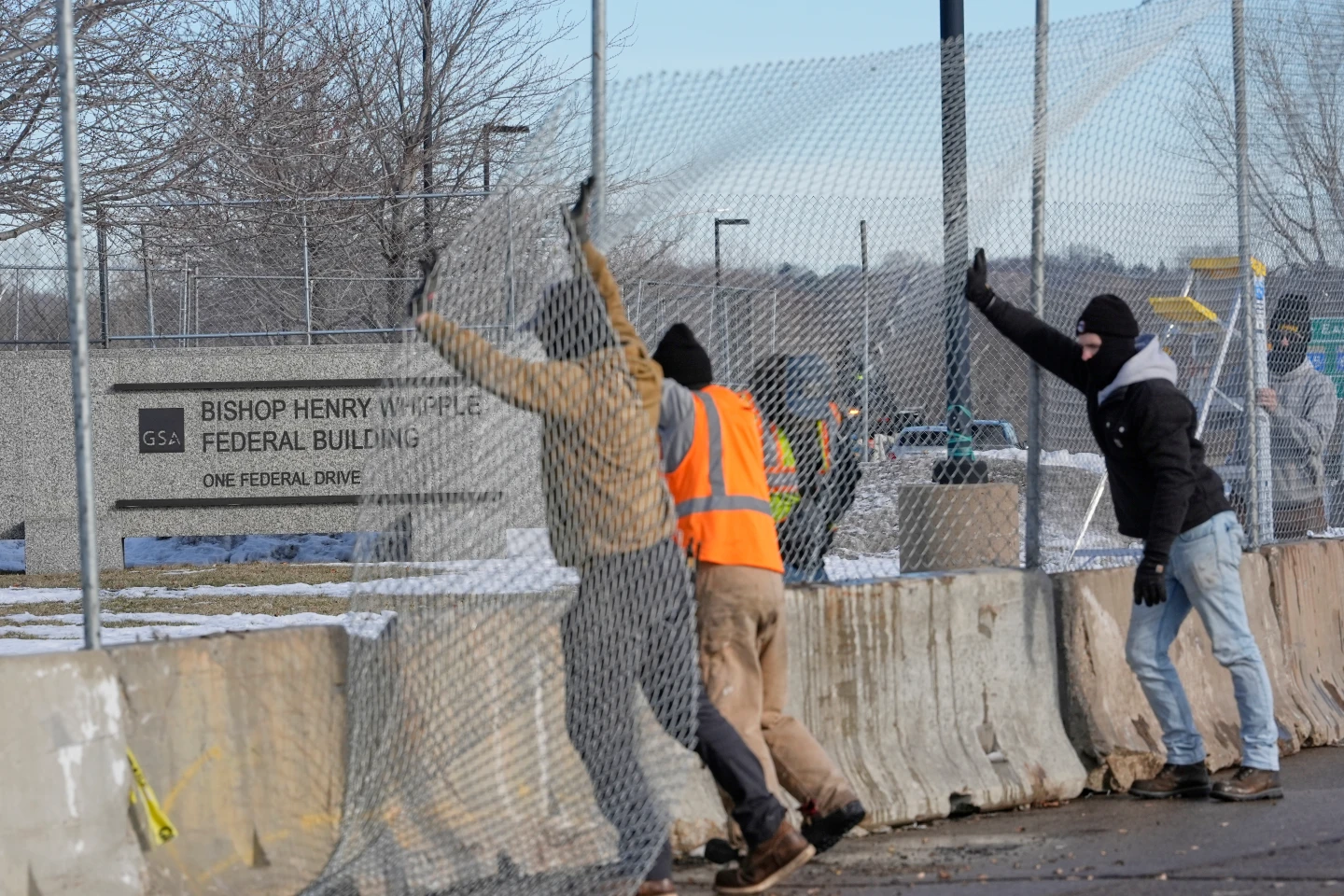
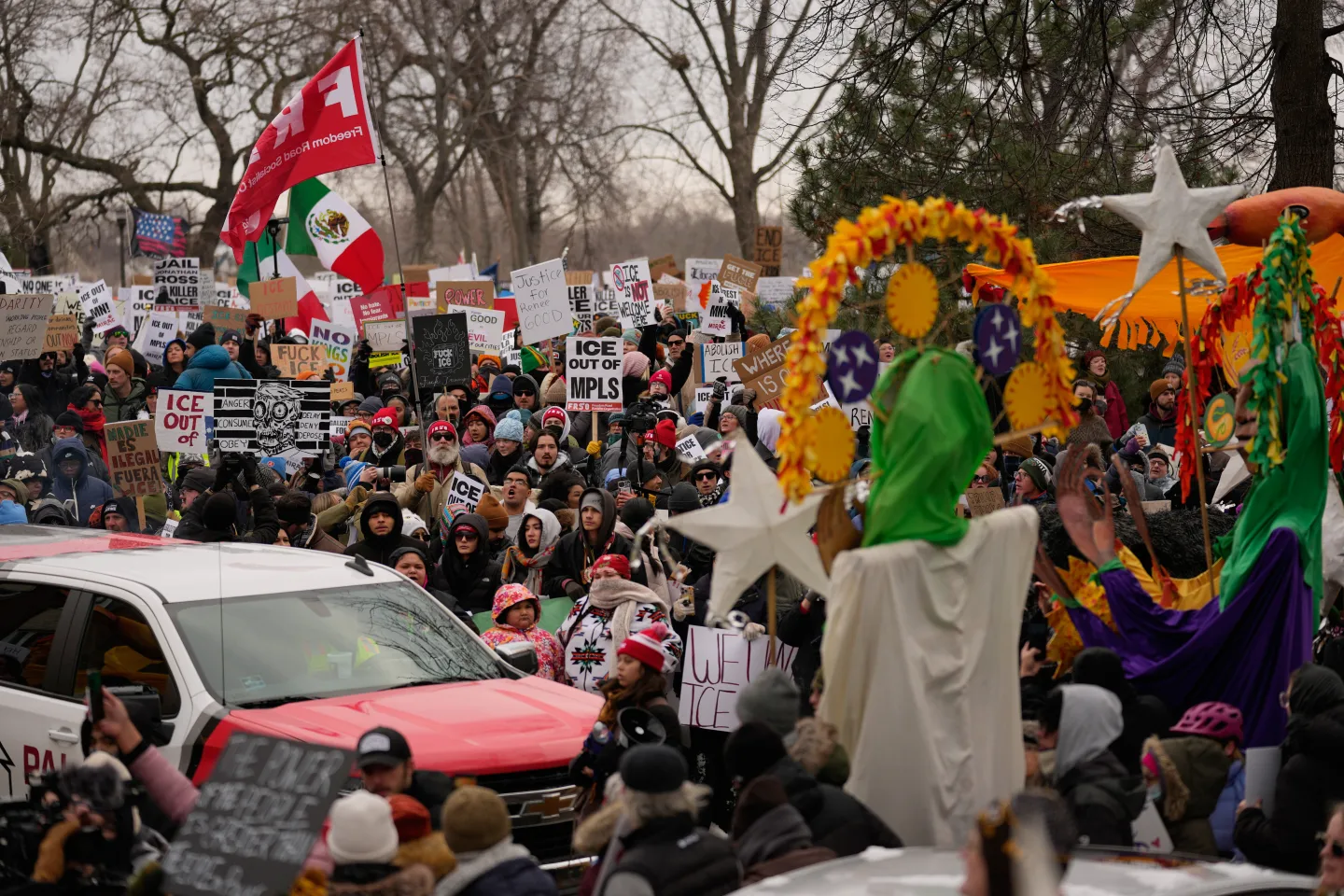
This question has taken on new urgency in cities like Minneapolis, where thousands of federal agents are operating on the streets amid protests and confrontations, sharpening scrutiny of the legal authority immigration officers have when they arrive at the front door.
At the heart of the debate is a legal distinction largely unfamiliar to the public but central to immigration enforcement: the difference between administrative and judicial warrants.
Most immigration arrests are executed under administrative warrants, internal documents that do not permit officers to forcibly enter private homes or non-public spaces without consent. Only criminal warrants signed by judges carry that authority. As the administration's aggressive enforcement push continues, encounters at private residences are increasingly becoming points of contention.
Immigration Warrants and Property Rights
All law enforcement actions, including those conducted by the Immigration and Customs Enforcement (ICE) and Customs and Border Protection (CBP), are governed by the Fourth Amendment, which protects people against unreasonable searches and seizures. This means law enforcement must have a warrant to search private property or arrest an individual, regardless of immigration status.
However, arrests carried out by Department of Homeland Security agencies are generally authorized by administrative warrants rather than judicial ones. Judicial warrants allow law enforcement to apprehend individuals on both public and private property without needing the property owner's consent. In contrast, administrative warrants do not provide this same authority.
This distinction means that individuals can legally deny entry to immigration agents if they only possess administrative warrants.
There are exceptions to this rule, such as situations where someone is in immediate danger; however, these do not generally apply to routine immigration arrests.
Clashes and Legal Consequences in Minneapolis
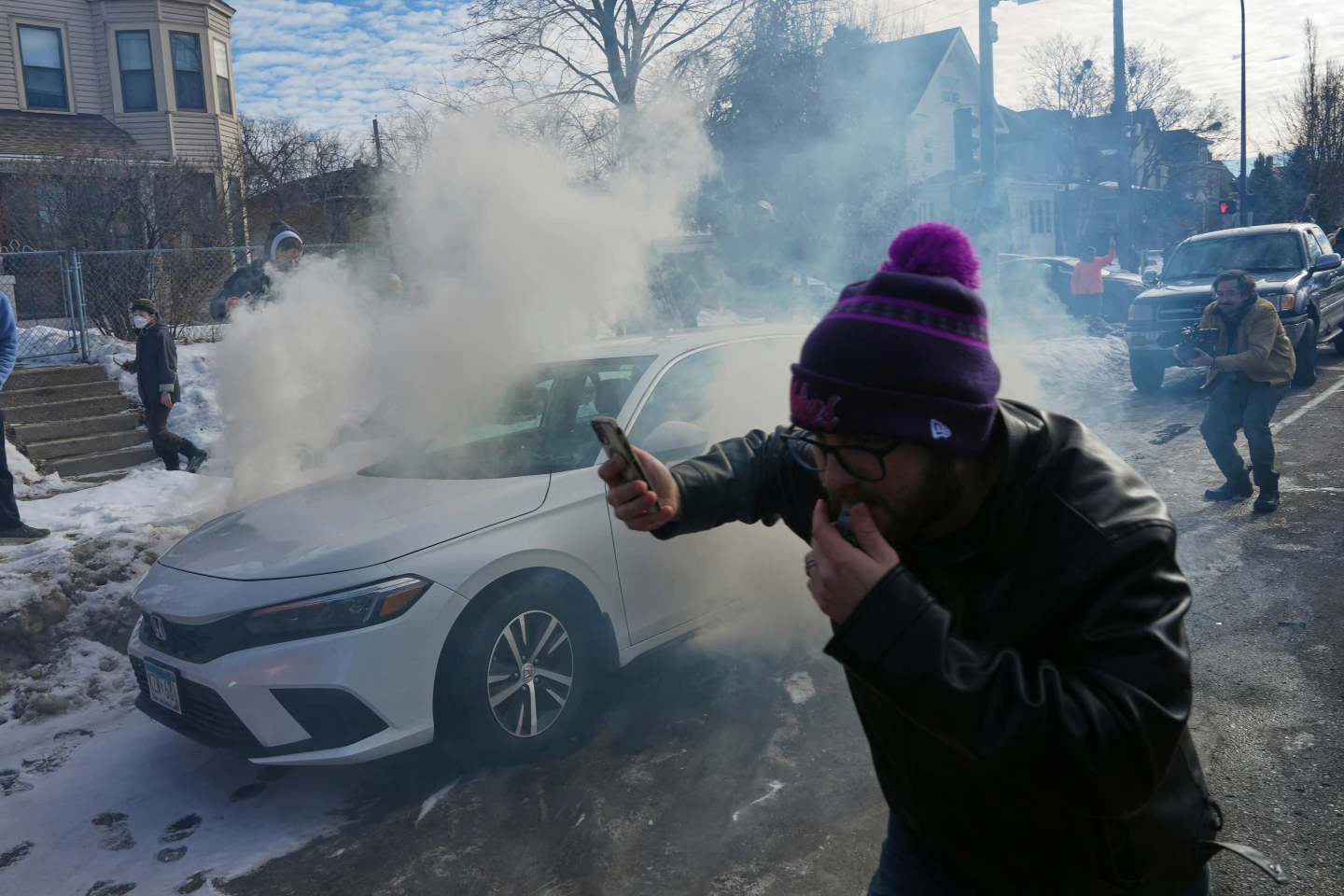
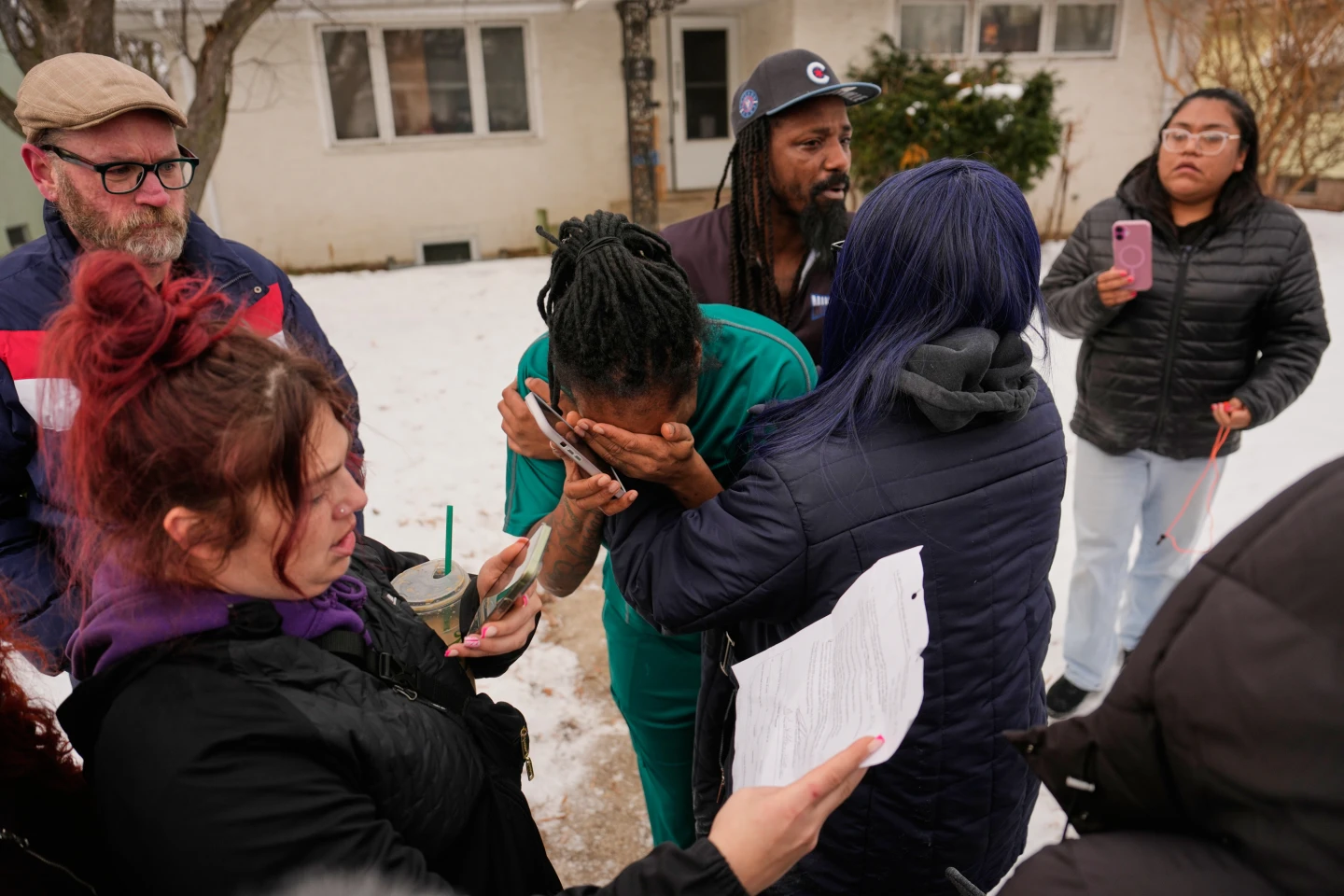
The differences between these warrants became starkly evident during a recent incident in Minneapolis where immigration law enforcement raided a private home, leading to clashes with protesters. Documents revealed that the agents only had an administrative warrant, raising concerns about the legality of their actions.
DHS Assistant Secretary Tricia McLaughlin stated that the arrest was part of a broader initiative to target serious criminals, yet the absence of a judicial warrant prompted questions about the legality of the entry.
Legal experts like Heidi Altman of the National Immigration Law Center stress that unauthorized entry by officers can lead to significant liability issues, although enforcing accountability remains a challenge in today’s political climate.
Community Responses and Know-Your-Rights Campaigns
In light of increasing arrests and legal ambiguities, activists and community organizations have launched “know-your-rights” campaigns, educating individuals on their legal protections during encounters with immigration enforcement. These efforts often emphasize that residents can refuse entry if officers lack a judicial warrant, helping to empower immigrant communities as they navigate these complex interactions.