Indonesian Fires Turn North‑East into Toxic Smoke Cloud
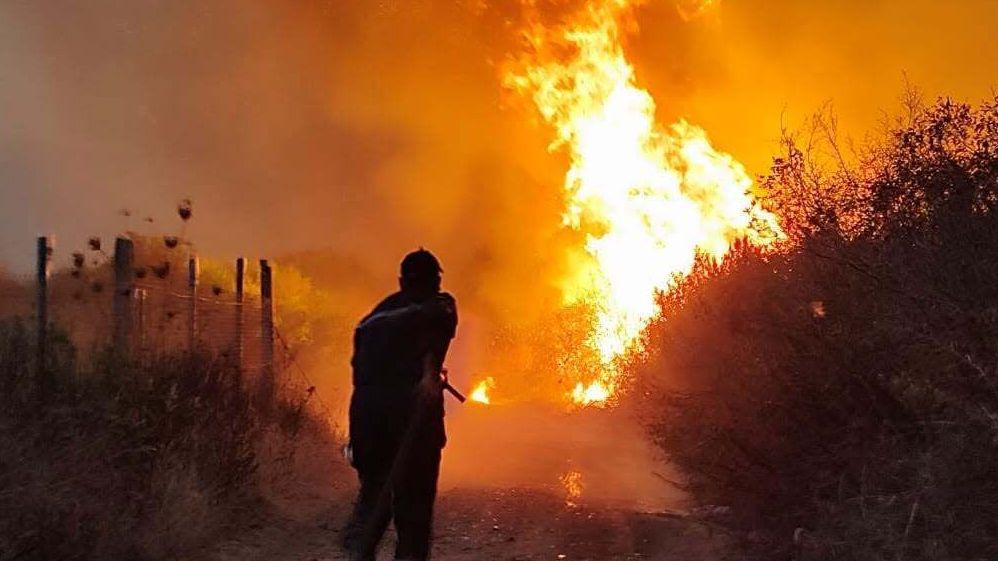
For weeks, bright orange tongues of fire have blistered villages and forests across the Indonesian islands of Sumatra and Kalimantan. The heat is so intense that the haze has spread far beyond national borders, blanketing Malaysia, Singapore and the Philippines in a black‑grey blanket of toxic smoke.
Scientists attribute the problem not only to the natural peatlands that release massive amounts of carbon when dry, but also to the widespread practice of cutting vegetation by burning—a method that serves as a cheap but destructive means of clearing land for palm oil plantations.
"The fires are spread by a combination of burning peat, strong winds, and a lack of enough water for firefighting," explains BBC correspondent Gavin Butler. "Even when water is brought in, the terrain is uneven, with steep slopes and deep river valleys that make it hard for aircraft and ground crews to reach the hotspots."
- Peat soil can ignite even at relatively low temperatures; once burning it releases large amounts of carbon dioxide and black carbon.
- Seasonal monsoon winds fan the flames, turning local fires into regional haze.
- Limited firefighting resources, especially in remote regions, mean that suppression often starts after the blaze has already spread widely.
- Inadequate land‑management policies encourage the use of fire as a low‑cost clearing method.
The health impact is severe: communities exposed to fine particulate matter – the primary component of smog – face respiratory problems, stomach upset, and eye irritation. Governments have urged citizens to stay indoors and to use masks, while health ministries have announced increased testing for respiratory illnesses.
International aid has been pledged, with firefighting planes from the United States and Japan already operating over the affected areas. Simultaneously, NGOs are pushing for new regulations that would phase out open‑burn clearing and promote sustainable land use.
With the monsoon approaching, experts warn that any relaxation in suppression efforts could reignite the fires and intensify the haze. Coordinated action across governments, armed forces, and local communities will be essential to return the sky to clear blue skies and stop the long‑term damage to the region’s climate and public health.