Malaysia Begins Mass Repatriation of Rohingya, Drawing Human‑Rights Condemnation

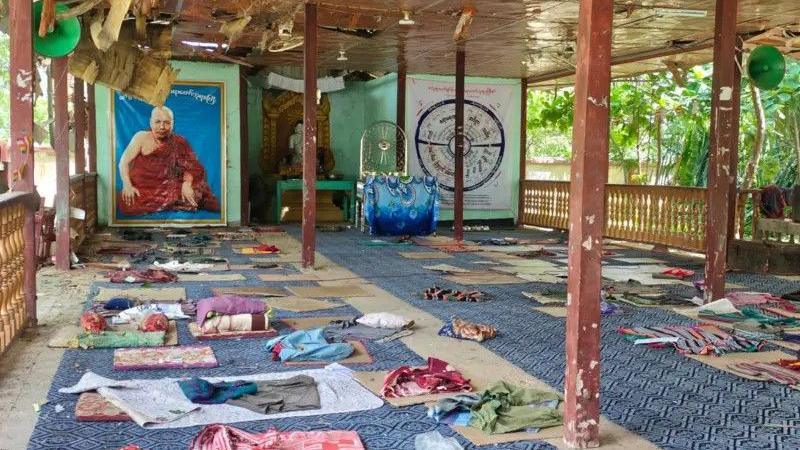
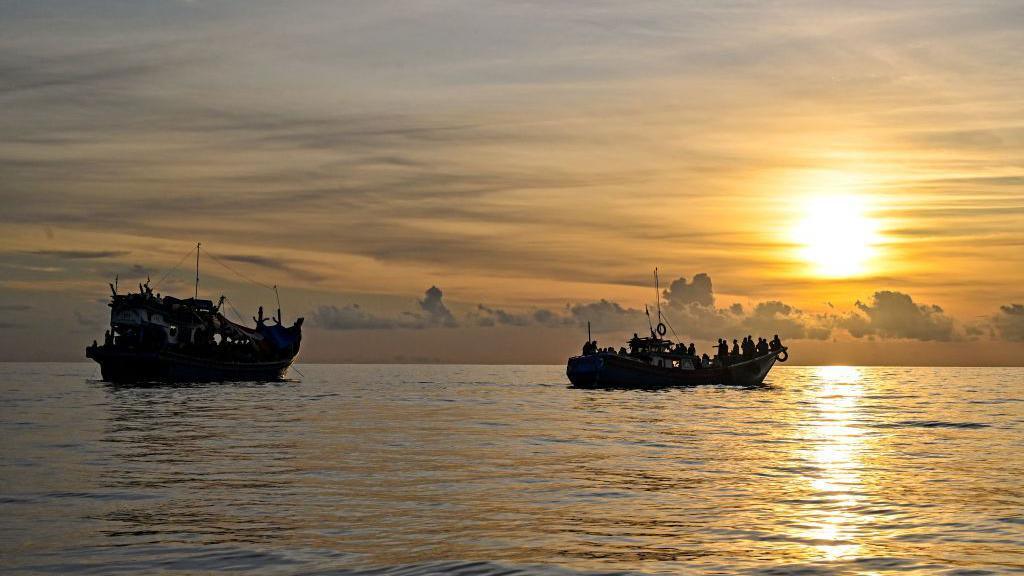
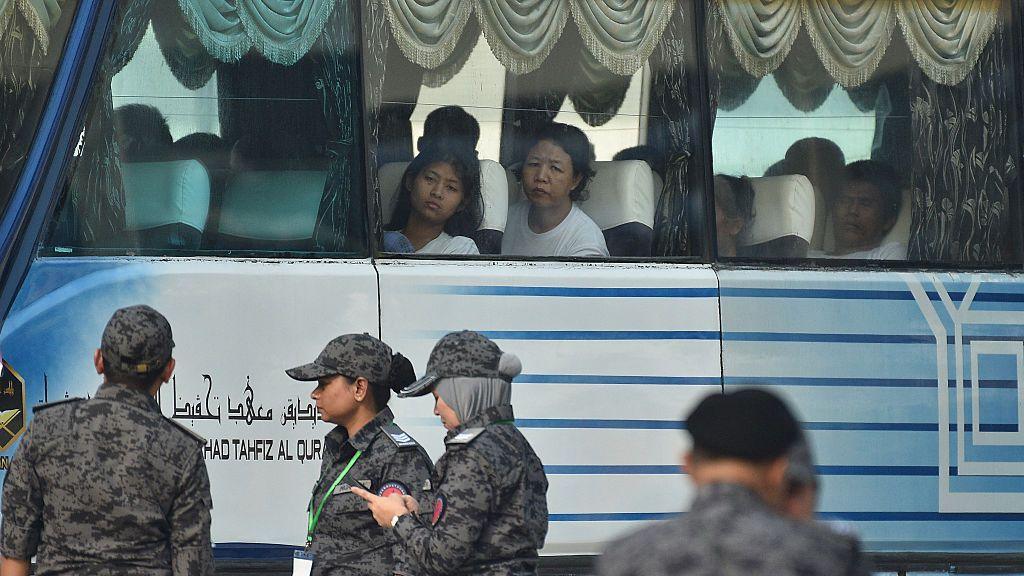
Malaysia has begun repatriating around 5,000 Rohingya asylum seekers to Myanmar, beginning with 1,476 passengers aboard three navy vessels today.
Human‑rights organisations warn the returnees face violence, persecution and the threat of forced enlistment in Myanmar’s army when they arrive in a region dominated by armed groups.
The government insists the shipments are voluntary, although it has barred the UN refugee agency from inspecting detainees who are being held in local holding centres.
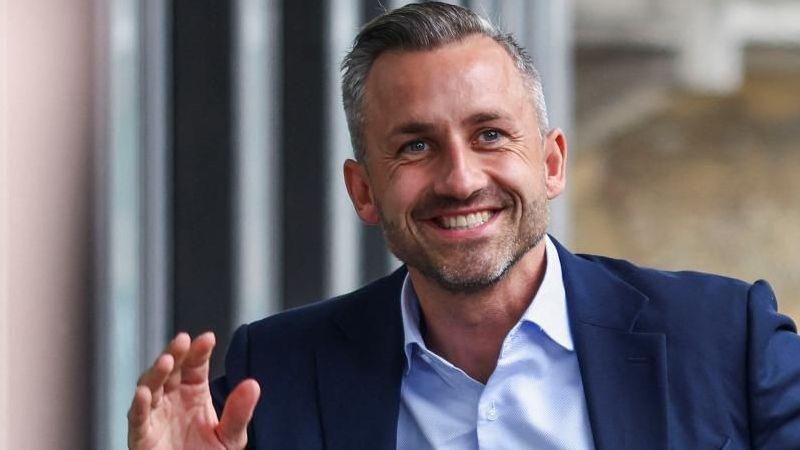
Prime Minister Anwar Ibrahim says the action is a response to growing hostility among Malaysians toward the large Rohingya community and is aimed at easing the country’s economic strain post‑COVID.
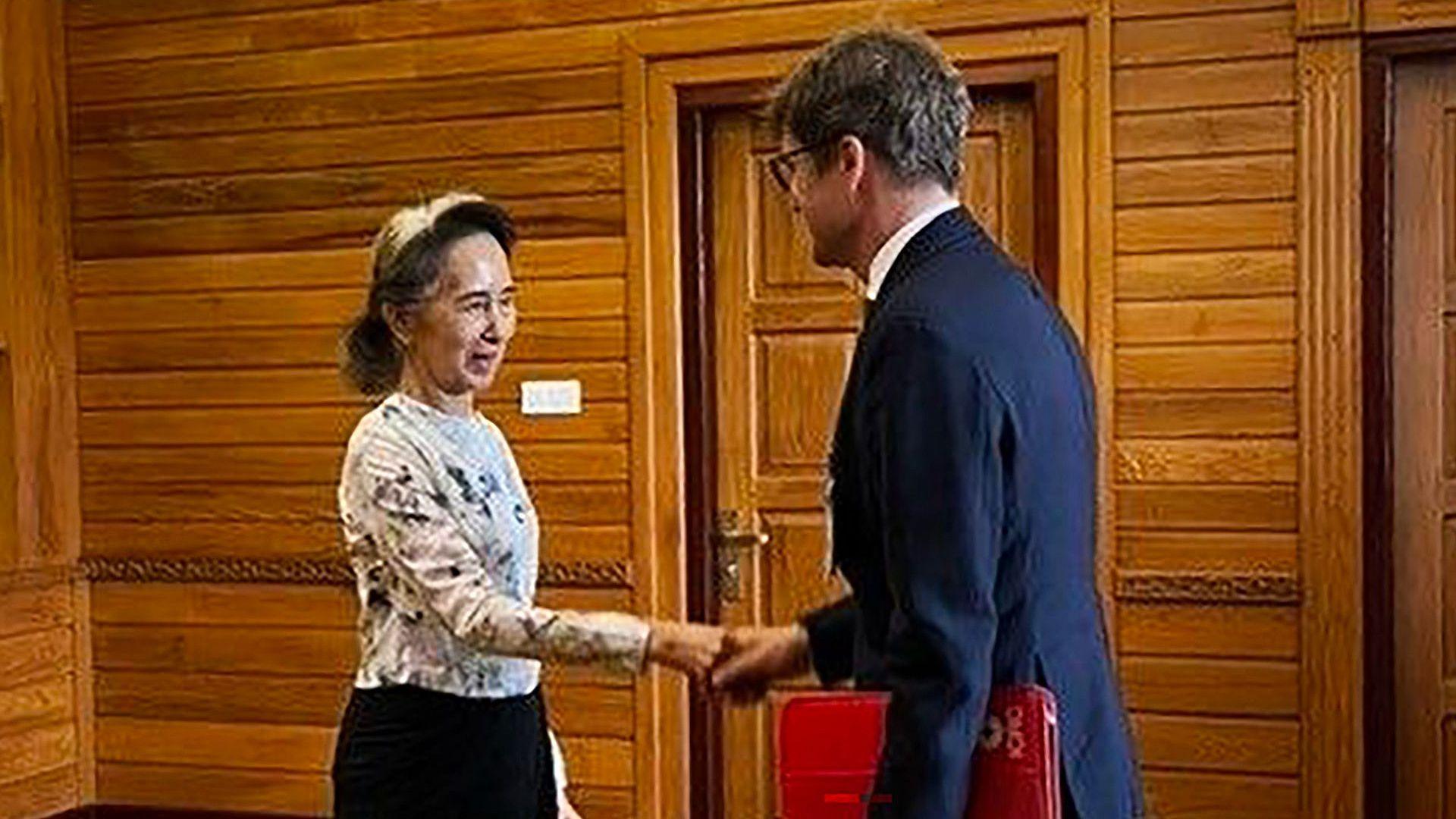
The decision marks a stark reversal: Anwar, a former political prisoner and outspoken defender of human rights, had previously opposed the military ruler Min Aung Hlaing and championed a negotiated end to Myanmar’s civil war.
Changing Public Sentiment
Rohingya refugees originally entered Malaysia in the wake of the 2017 ethnic cleansing that displaced 700,000 Muslims from Rakhine State. Their presence was once welcomed, but the pandemic’s economic fallout has fueled anti‑immigrant sentiment.
During 2026, viral social‑media claims that Rohingya were misusing waste facilities sparked online petitions calling for their removal, further stoking anger among Malaysians for the first time since Anwar came to power.
Political Pressures on Anwar
Despite his rhetoric of humane treatment, Anwar faces accusations of betrayal from former supporters, who accuse him of compromising his principles to appease the coalition partner UMNO and secure a fragile government.
Political expert Tricia Yeoh argues that Malay voters, long accustomed to protectionist rhetoric, are increasingly skeptical of a leader who appears to be capitulating to ethnic politics at the expense of national unity.
Risks Facing Repatriated Rohingya
Returning Rohingya to Myanmar is fraught with danger. The state of Rakhine is largely under insurgent control, subject to airstrikes, and basic humanitarian needs are scarce.
Survivors fear that men among the repatriated could be conscripted into fighting in Myanmar’s ongoing civil war, while women and children might confront persecution or lack of medical care.
Both governments have yet to detail how these obstacles will be overcome, raising concerns that the repatriation violates international humanitarian principles.
“We all want to return home, but we must do so because it is safe and a choice, not a coercion,” said Nur Sadek, a Rohingya rights advocate, urging that all refugees be approached with dignity and respect.