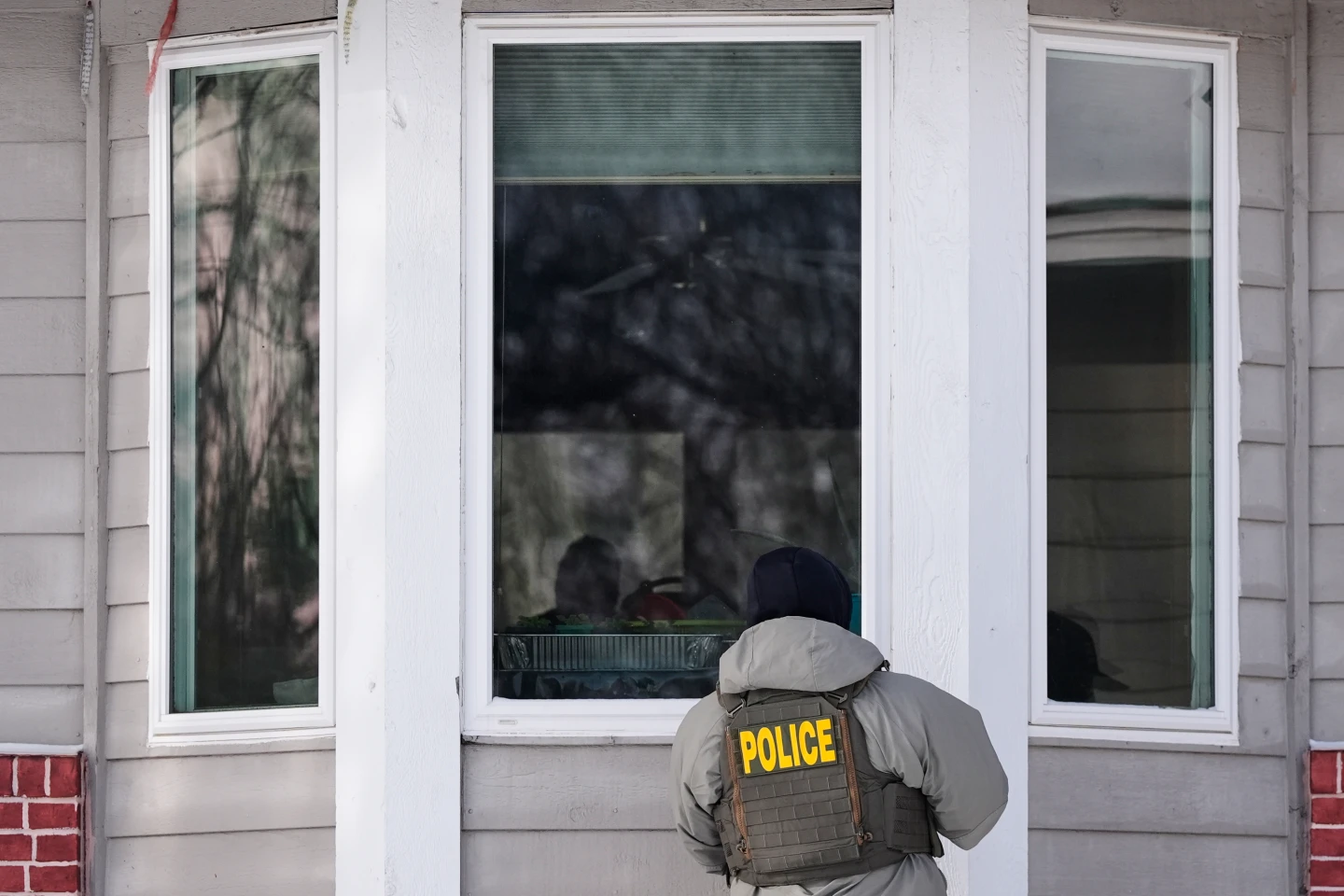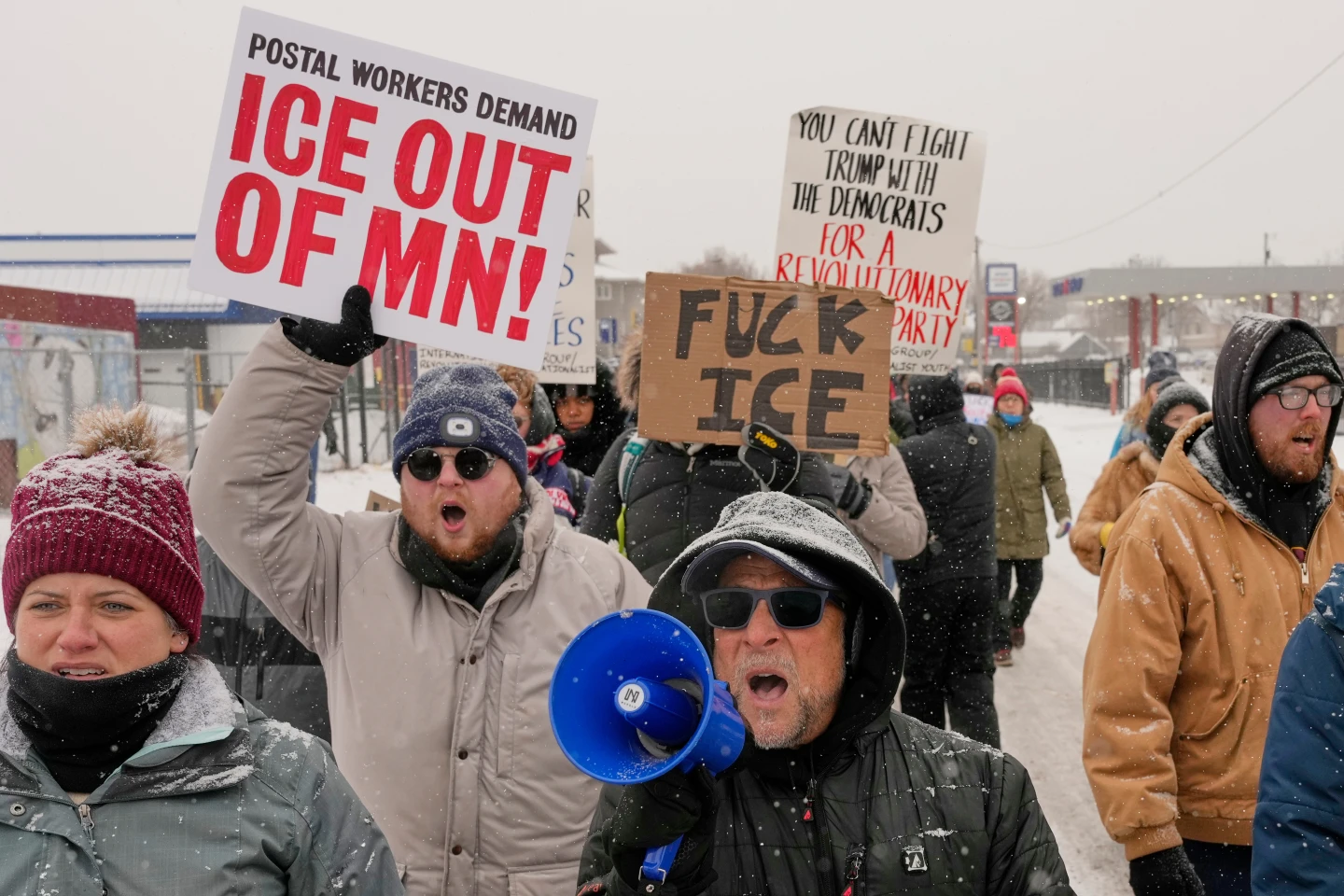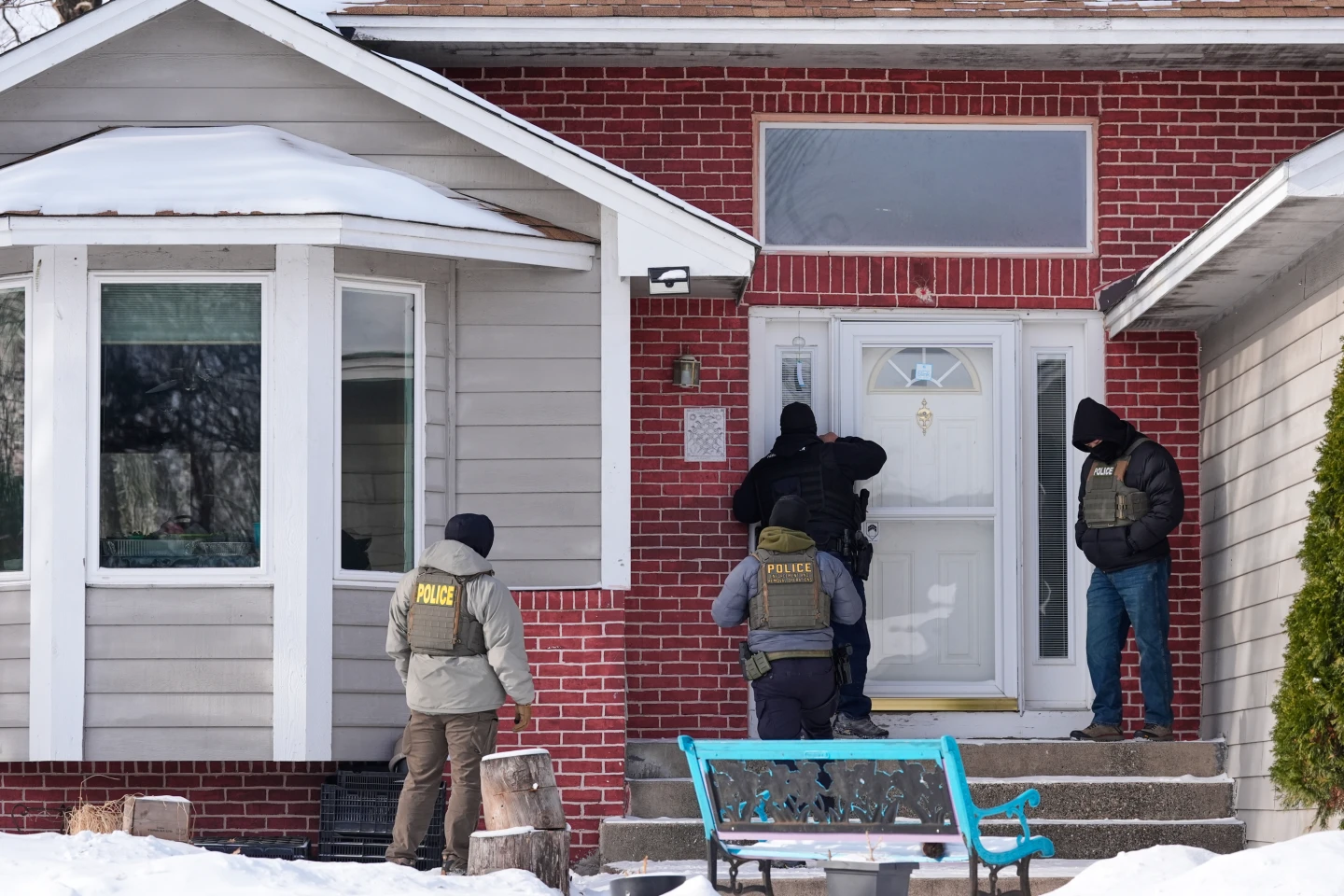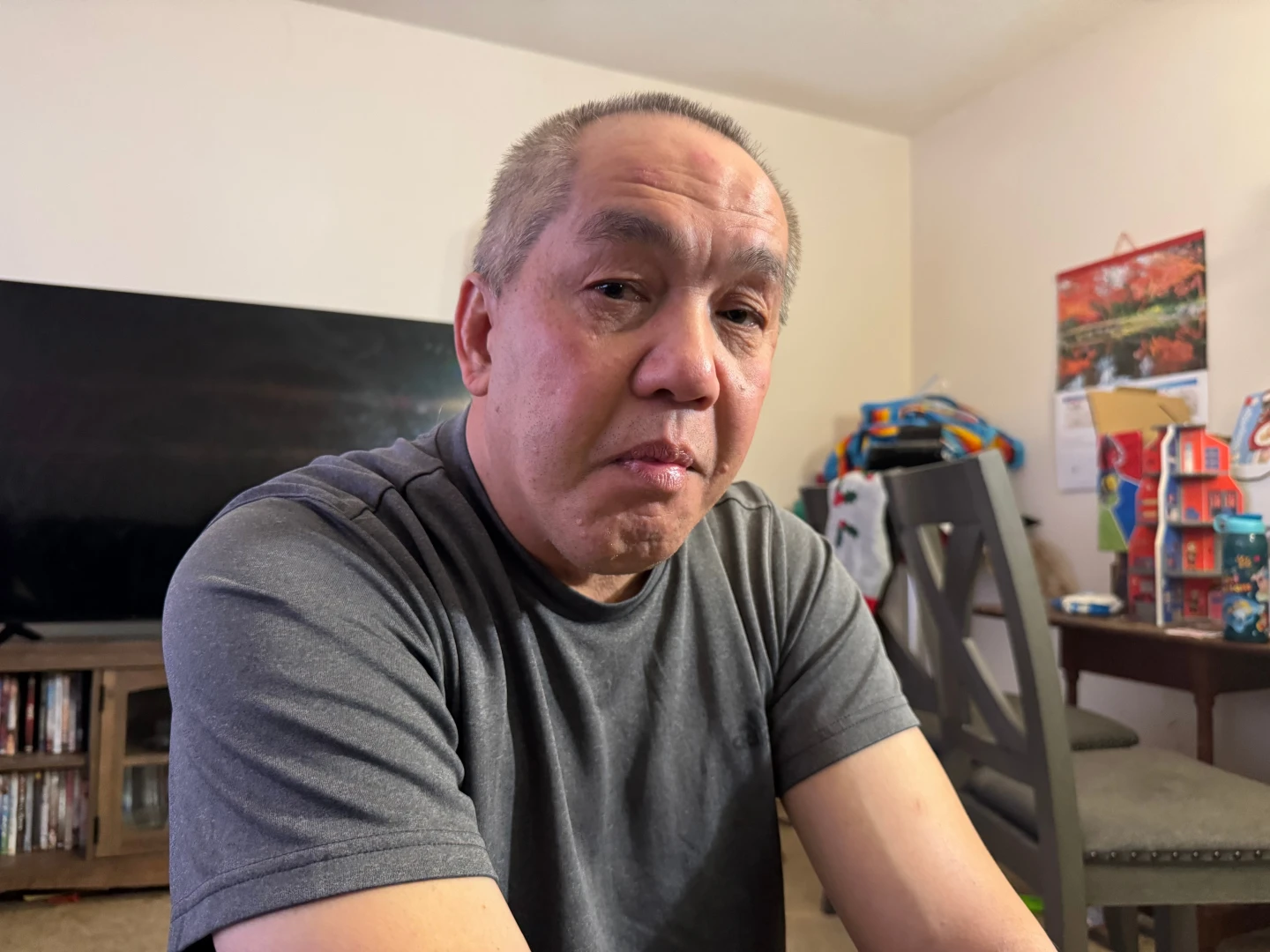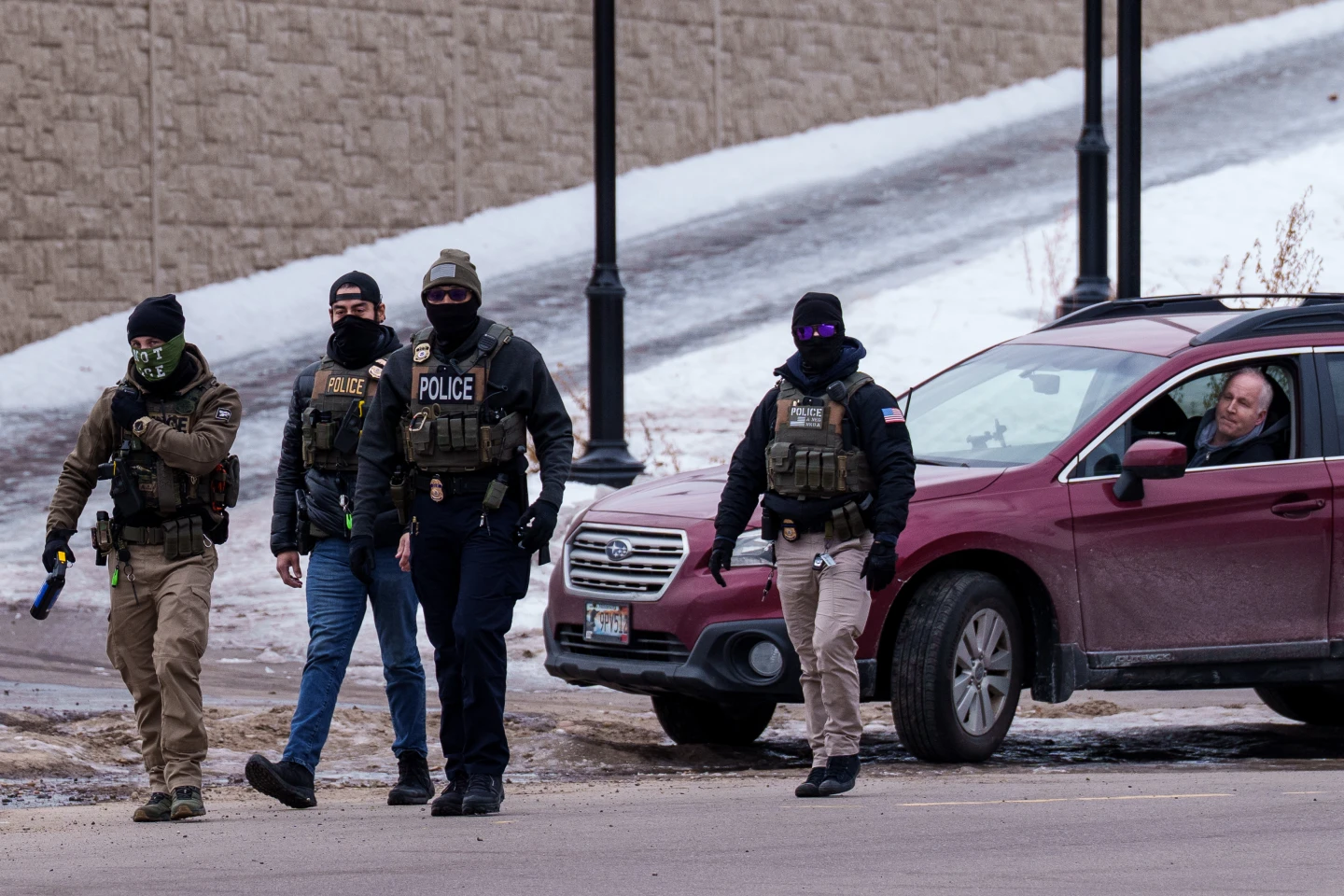
SACRAMENTO, Calif. (AP) — On a recent afternoon, Giselle Garcia, a volunteer helping an Afghan family resettle, drove their father to a required check-in with U.S. Immigration and Customs Enforcement. She warned the family to prepare for the worst. Moments later, he was arrested.
This arrest came just days after the shooting of two National Guard troops by a suspect from Afghanistan, leading federal authorities to ramp up arrests of Afghan immigrants, according to immigration lawyers. Garcia noted that the family had complied with all legal requirements and appointments, intensifying the tragic nature of the event.
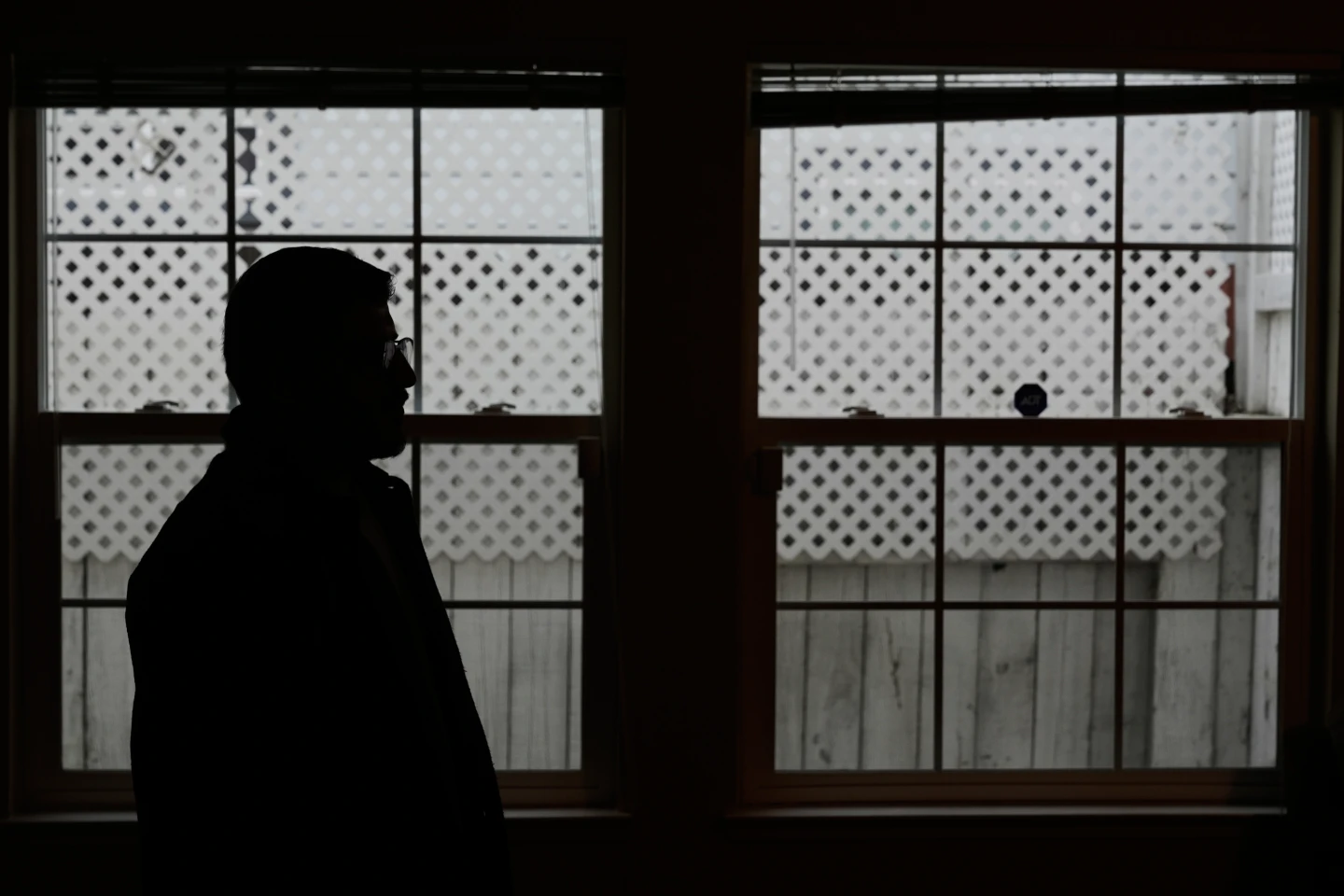
He was trying to be strong for his wife and kids in the car, but the anxiety and fear were palpable, Garcia recounted. The family fled Taliban threats after the wife’s father assisted U.S. military forces. Garcia, under the veil of anonymity to protect the family, is one of many volunteers that sensed the growing anxiety among Afghan immigrants.
Following the Nov. 26 shooting, reports indicate that roughly two dozen Afghan arrests have been tracked in the U.S., predominantly in Northern California, particularly in cities like Sacramento which has a significant Afghan population. Those detained include individuals who requested asylum at the U.S.-Mexico border in recent years or were part of the 76,000 Afghans brought in during Operation Allies Welcome initiated under the previous U.S. administration.
White House press secretary Karoline Leavitt stated that the current administration is reexamining the status of Afghan nationals who entered the U.S. during the chaotic withdrawal. Meanwhile, advocates urge against the collective punishment of Afghans for the alleged actions of individuals, arguing many have served loyally alongside U.S. forces for years.
On December 1, amidst a resurgence of anxiety and fear, volunteers witnessed several Afghan men being arrested upon check-in with ICE, effectively calling for assistance and oversight to ensure the safety of immigrants. Organizations monitoring ICE activities report that the majority of these individuals had been under previous monitoring.
This situation has amplified stress within the community, prompting cries for justice and concern for Afghan immigrants' welfare. Immigrant attorneys maintain that many detainees have strong cases for asylum, with no existing criminal records on file.
Echoing the sentiments of the community, Garcia expressed her distress at the sight of the Afghan family being torn apart, stating, I’m screaming his rights through the wall so he could hear me. ‘Remain silent! Please don’t sign anything!’” Witnessing the emotional impact on the family only underscores the human cost of current immigration policies.
This arrest came just days after the shooting of two National Guard troops by a suspect from Afghanistan, leading federal authorities to ramp up arrests of Afghan immigrants, according to immigration lawyers. Garcia noted that the family had complied with all legal requirements and appointments, intensifying the tragic nature of the event.
He was trying to be strong for his wife and kids in the car, but the anxiety and fear were palpable, Garcia recounted. The family fled Taliban threats after the wife’s father assisted U.S. military forces. Garcia, under the veil of anonymity to protect the family, is one of many volunteers that sensed the growing anxiety among Afghan immigrants.
Following the Nov. 26 shooting, reports indicate that roughly two dozen Afghan arrests have been tracked in the U.S., predominantly in Northern California, particularly in cities like Sacramento which has a significant Afghan population. Those detained include individuals who requested asylum at the U.S.-Mexico border in recent years or were part of the 76,000 Afghans brought in during Operation Allies Welcome initiated under the previous U.S. administration.
White House press secretary Karoline Leavitt stated that the current administration is reexamining the status of Afghan nationals who entered the U.S. during the chaotic withdrawal. Meanwhile, advocates urge against the collective punishment of Afghans for the alleged actions of individuals, arguing many have served loyally alongside U.S. forces for years.
On December 1, amidst a resurgence of anxiety and fear, volunteers witnessed several Afghan men being arrested upon check-in with ICE, effectively calling for assistance and oversight to ensure the safety of immigrants. Organizations monitoring ICE activities report that the majority of these individuals had been under previous monitoring.
This situation has amplified stress within the community, prompting cries for justice and concern for Afghan immigrants' welfare. Immigrant attorneys maintain that many detainees have strong cases for asylum, with no existing criminal records on file.
Echoing the sentiments of the community, Garcia expressed her distress at the sight of the Afghan family being torn apart, stating, I’m screaming his rights through the wall so he could hear me. ‘Remain silent! Please don’t sign anything!’” Witnessing the emotional impact on the family only underscores the human cost of current immigration policies.