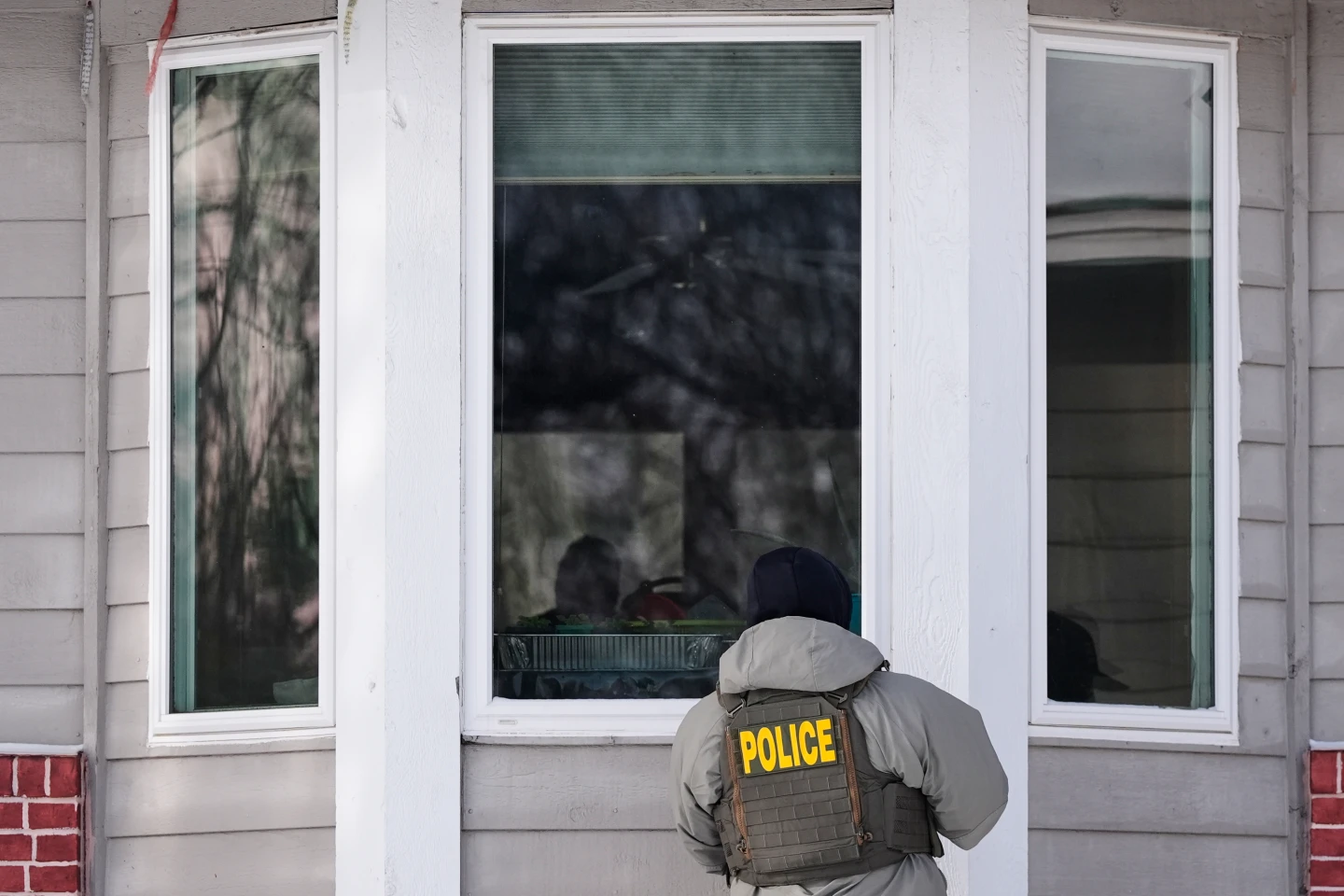
MINNEAPOLIS (AP) — Confrontations between federal officers and local citizens over immigration enforcement in Minnesota have reached a critical point as legal battles intensify. Federal prosecutors have served grand jury subpoenas to Minnesota Governor Tim Walz’s office and five other officials, prompting an investigation into claims they obstructed law enforcement during a significant immigration operation in the Minneapolis-St. Paul area.
The subpoenas were issued after the government requested a judge to dismiss efforts aimed at halting the aggressive immigration enforcement that has stirred unrest in the region. The Justice Department labeled the state's concurrent lawsuit — initiated following the shooting of local resident Renee Good by an immigration officer — as legally frivolous.
Vice President JD Vance is anticipated to visit Minneapolis for discussions with local leaders on the crisis, signaling the administration’s attention to the contentious immigration operation.
The subpoenas, according to reports, are seeking documents that could depict state officials as having obstructed federal efforts through their public comments, igniting fears among officials regarding the politicization of law enforcement.
Governor Walz has condemned the actions taken by federal officers and emphasized that local officials should not feel threatened by federal law enforcement operations. He has previously criticized the Trump administration for using these incidents as a distraction rather than pursuing justice.
The operation has led to widespread arrests and public backlash. U.S. Border Patrol has reported over 10,000 arrests in the past year, with advocates expressing frustration over the lack of transparency regarding these actions.
Public protests have become commonplace, with community members confronting federal agents, leading to violent encounters where chemical agents were deployed against protesters. As demonstrators challenge immigration policies, federal responses have sometimes turned aggressive, further increasing community tensions.
In one controversial incident, protesters reportedly entered a church in St. Paul during a service to highlight anti-ICE sentiments, drawing condemnation from church officials who argued that disrupting worship is unlawful. Activists have since called for local church leaders with ties to the ICE to resign, indicating the deepening divisions within the community.
As legal challenges unfold and potential repercussions loom, Minnesota's complex interplay of immigration enforcement and community response remains a focal point for ongoing national dialogue.
The subpoenas were issued after the government requested a judge to dismiss efforts aimed at halting the aggressive immigration enforcement that has stirred unrest in the region. The Justice Department labeled the state's concurrent lawsuit — initiated following the shooting of local resident Renee Good by an immigration officer — as legally frivolous.
Vice President JD Vance is anticipated to visit Minneapolis for discussions with local leaders on the crisis, signaling the administration’s attention to the contentious immigration operation.
The subpoenas, according to reports, are seeking documents that could depict state officials as having obstructed federal efforts through their public comments, igniting fears among officials regarding the politicization of law enforcement.
Governor Walz has condemned the actions taken by federal officers and emphasized that local officials should not feel threatened by federal law enforcement operations. He has previously criticized the Trump administration for using these incidents as a distraction rather than pursuing justice.
The operation has led to widespread arrests and public backlash. U.S. Border Patrol has reported over 10,000 arrests in the past year, with advocates expressing frustration over the lack of transparency regarding these actions.
Public protests have become commonplace, with community members confronting federal agents, leading to violent encounters where chemical agents were deployed against protesters. As demonstrators challenge immigration policies, federal responses have sometimes turned aggressive, further increasing community tensions.
In one controversial incident, protesters reportedly entered a church in St. Paul during a service to highlight anti-ICE sentiments, drawing condemnation from church officials who argued that disrupting worship is unlawful. Activists have since called for local church leaders with ties to the ICE to resign, indicating the deepening divisions within the community.
As legal challenges unfold and potential repercussions loom, Minnesota's complex interplay of immigration enforcement and community response remains a focal point for ongoing national dialogue.