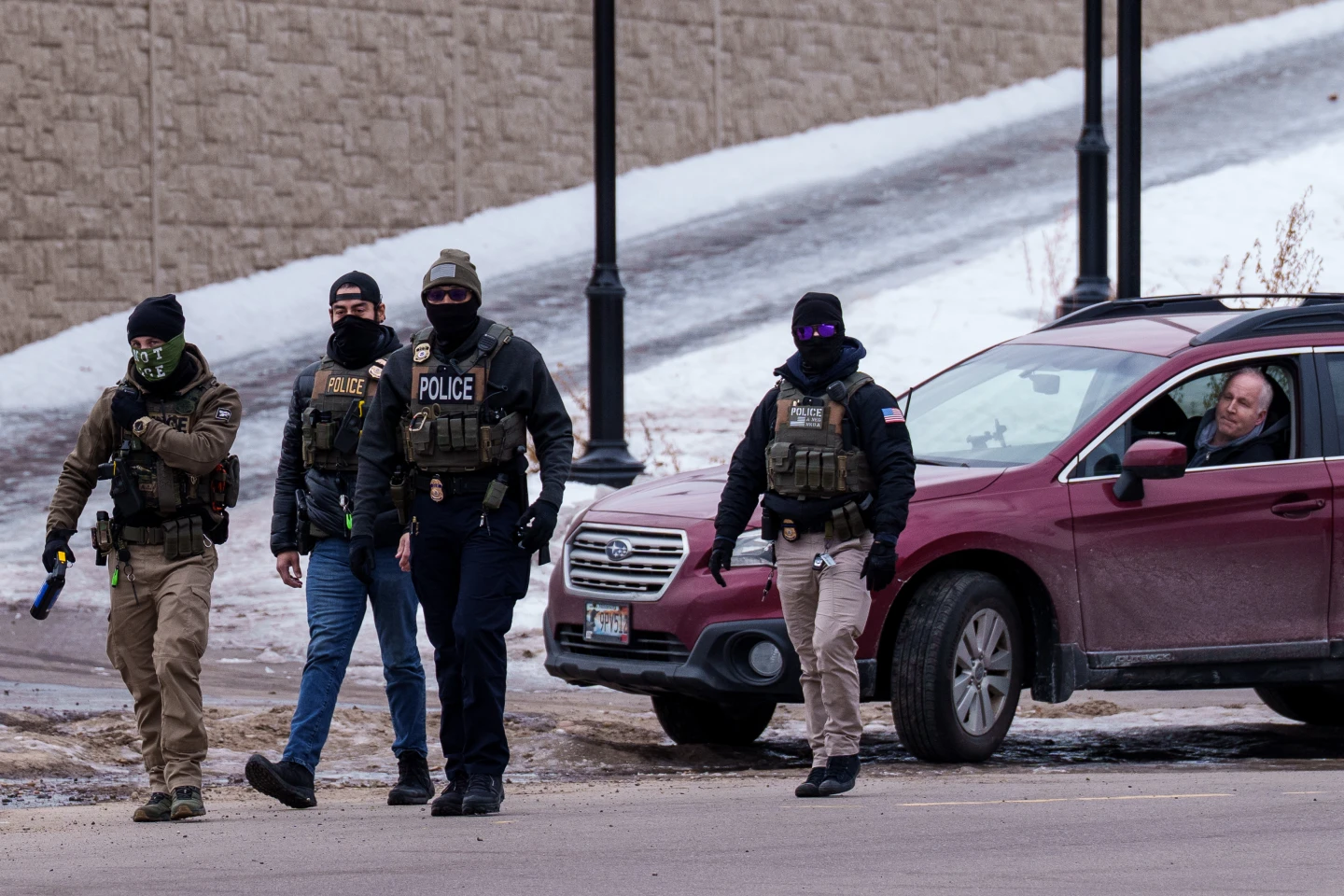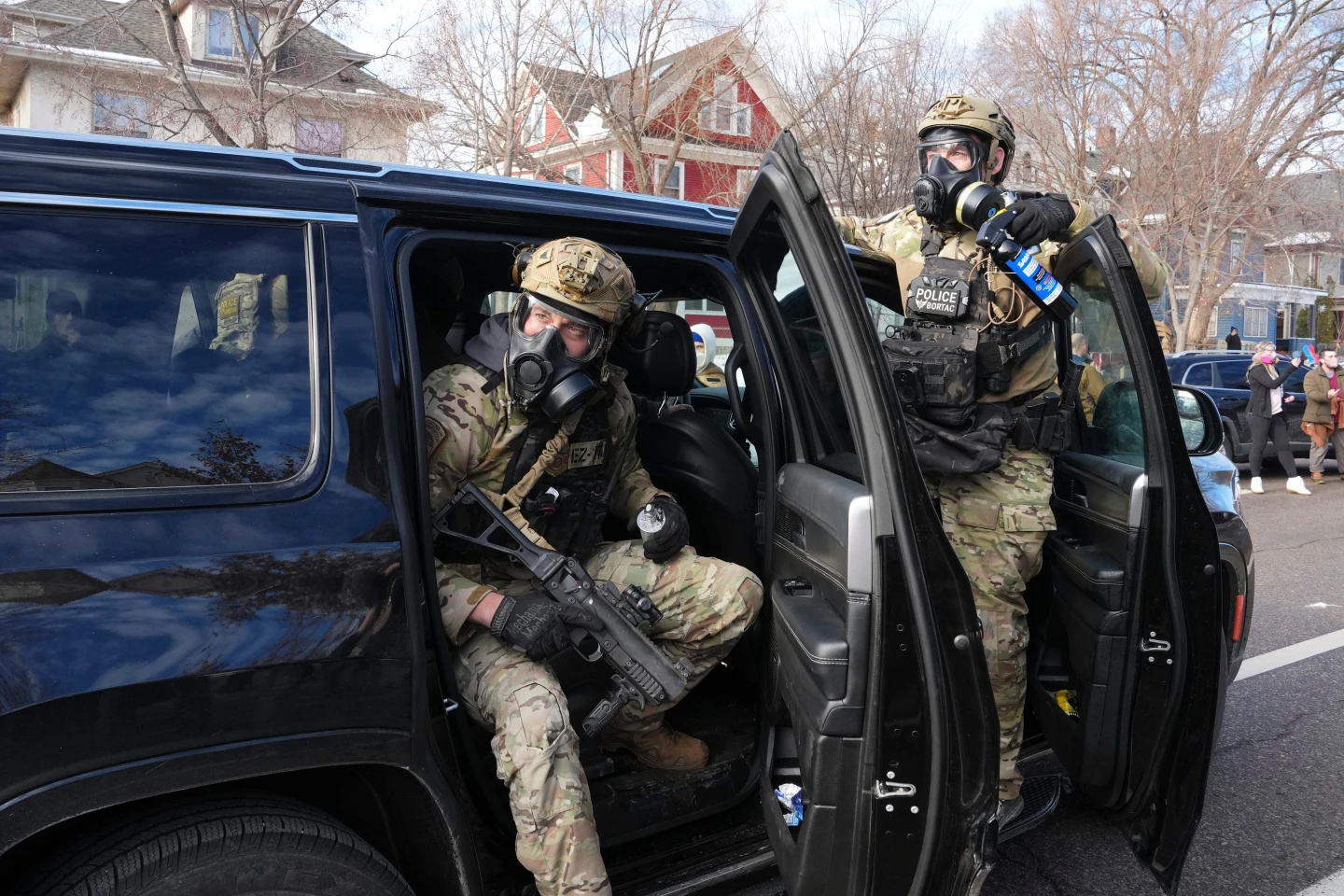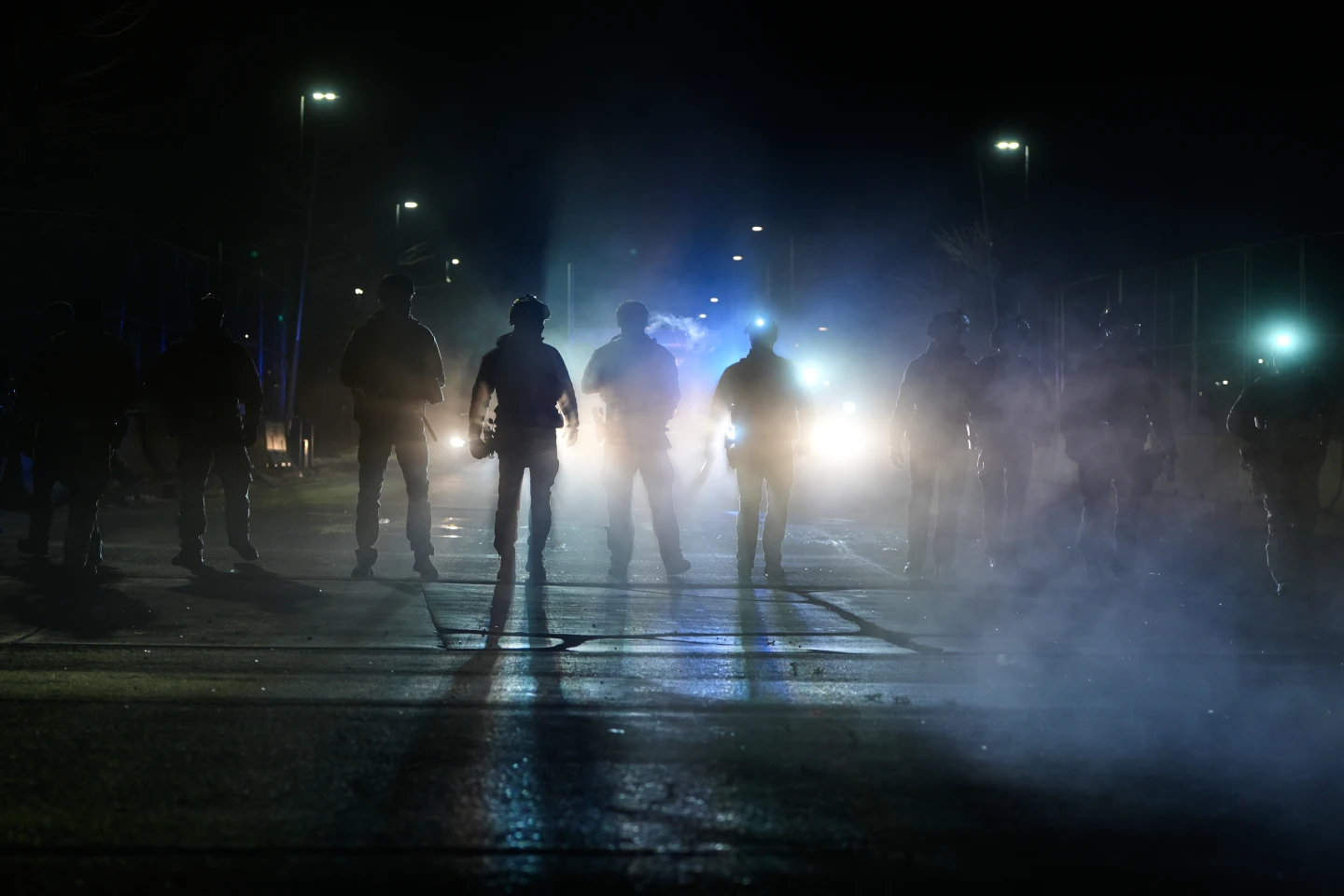
MINNEAPOLIS (AP) — The dawn ignites with a sense of dread as federal officers commence a crackdown on immigration, surging out of an unremarkable office building near Minneapolis-St. Paul International Airport. These officers, clad in tactical gear, ascend into tightly packed SUVs and minivans, creating unmarked convoys that have quickly instilled fear in local neighborhoods.
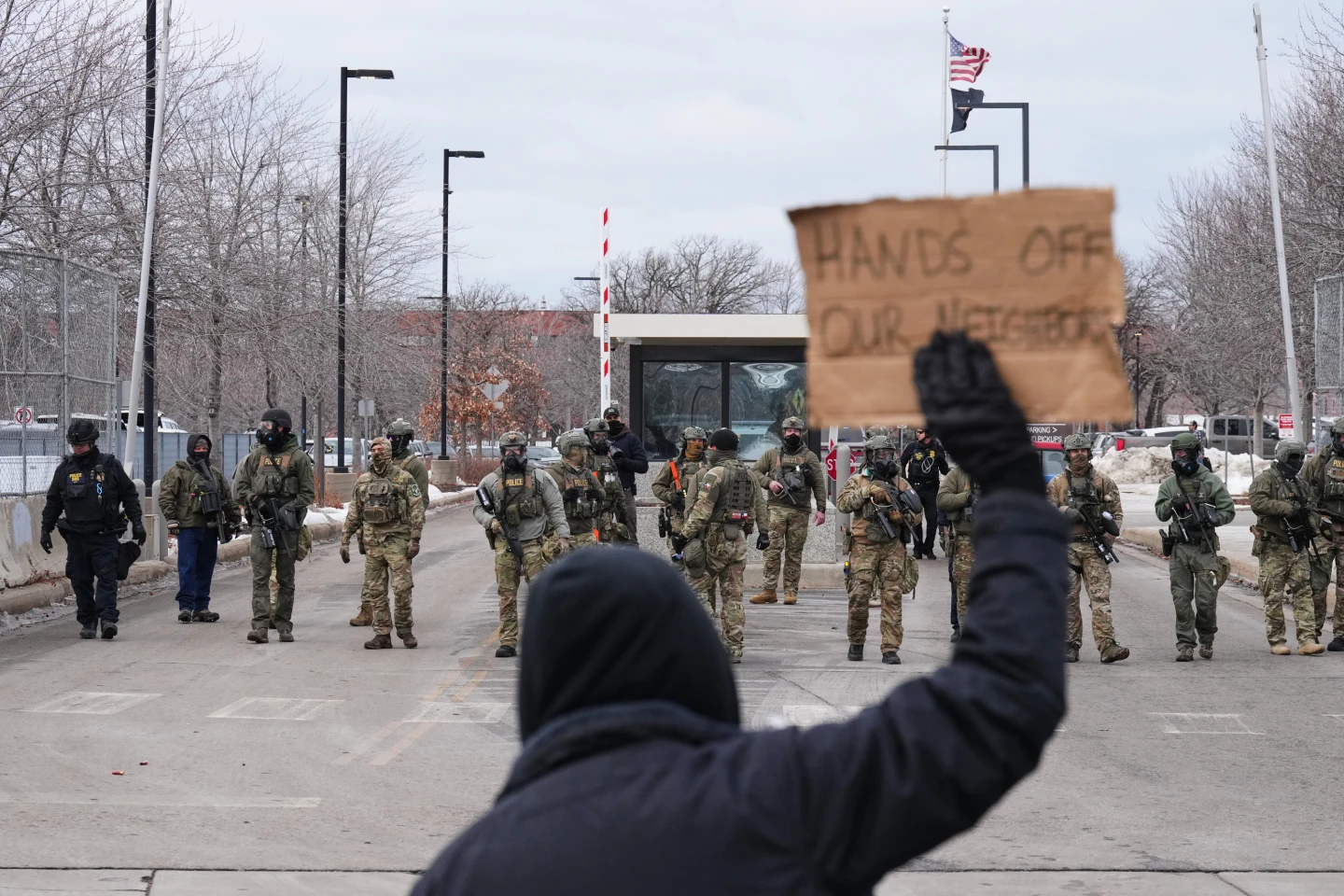
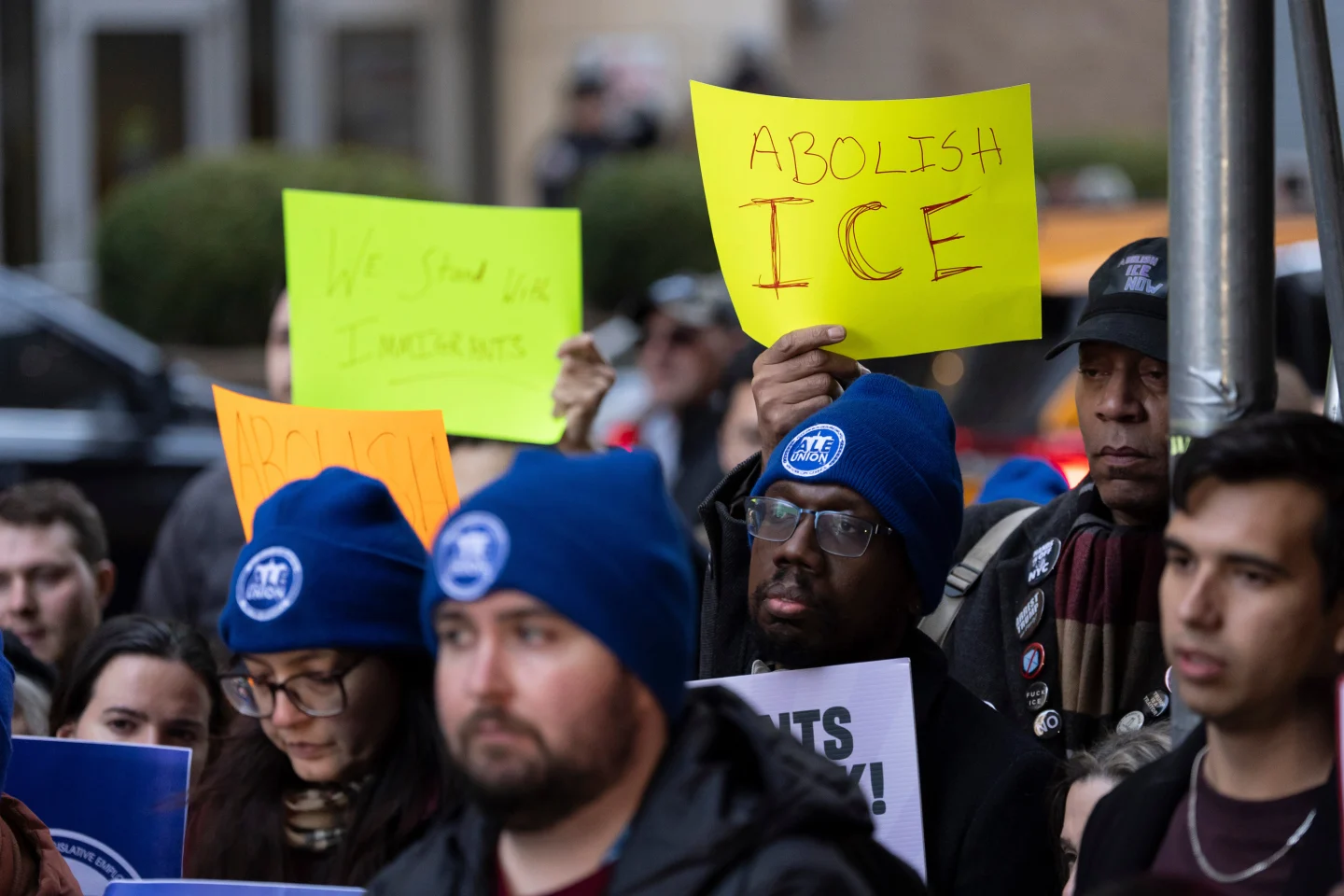
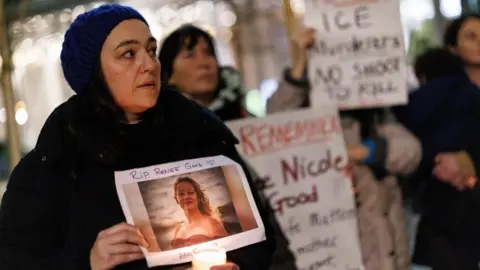
Protesters gather early, standing resolutely across from the federal compound housing immigration courts and offices. Their chants piercing the morning stillness are met with the roaring engines of vehicles as they roll past. “Go home!” they shout, their voices blending with the chorus of dissent aimed at what they deem an unwarranted federal intrusion.
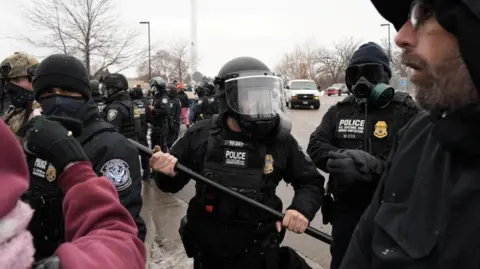
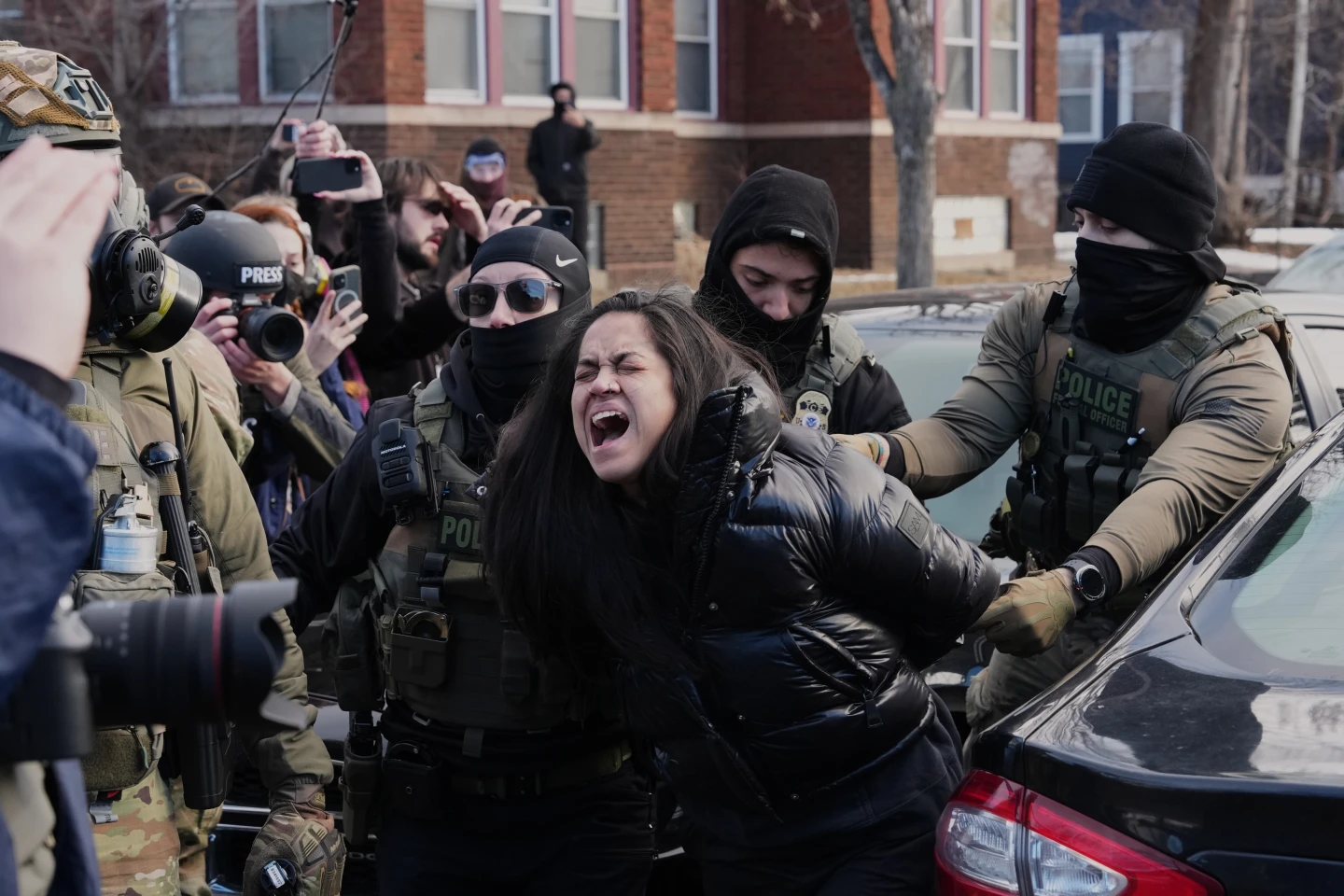
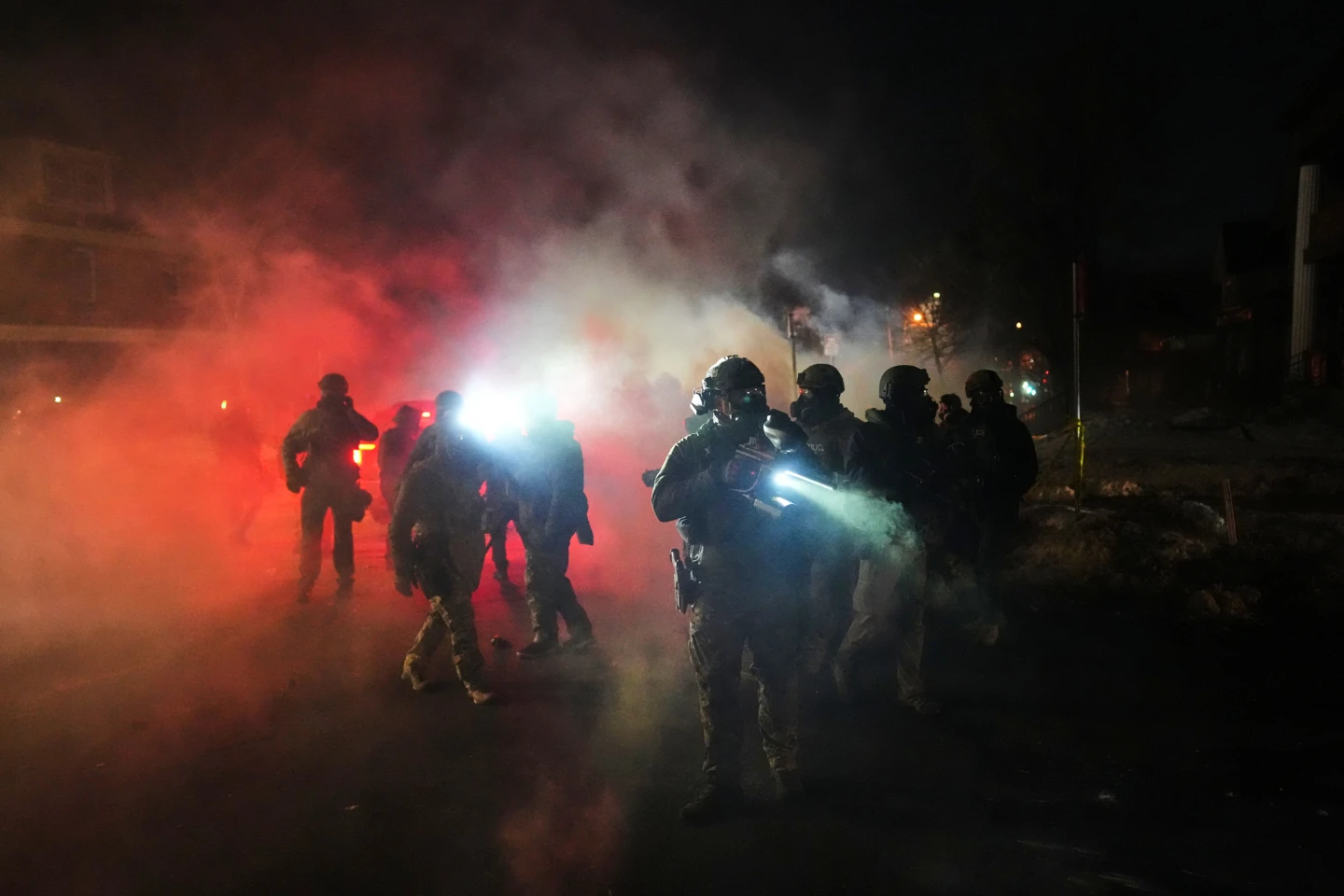
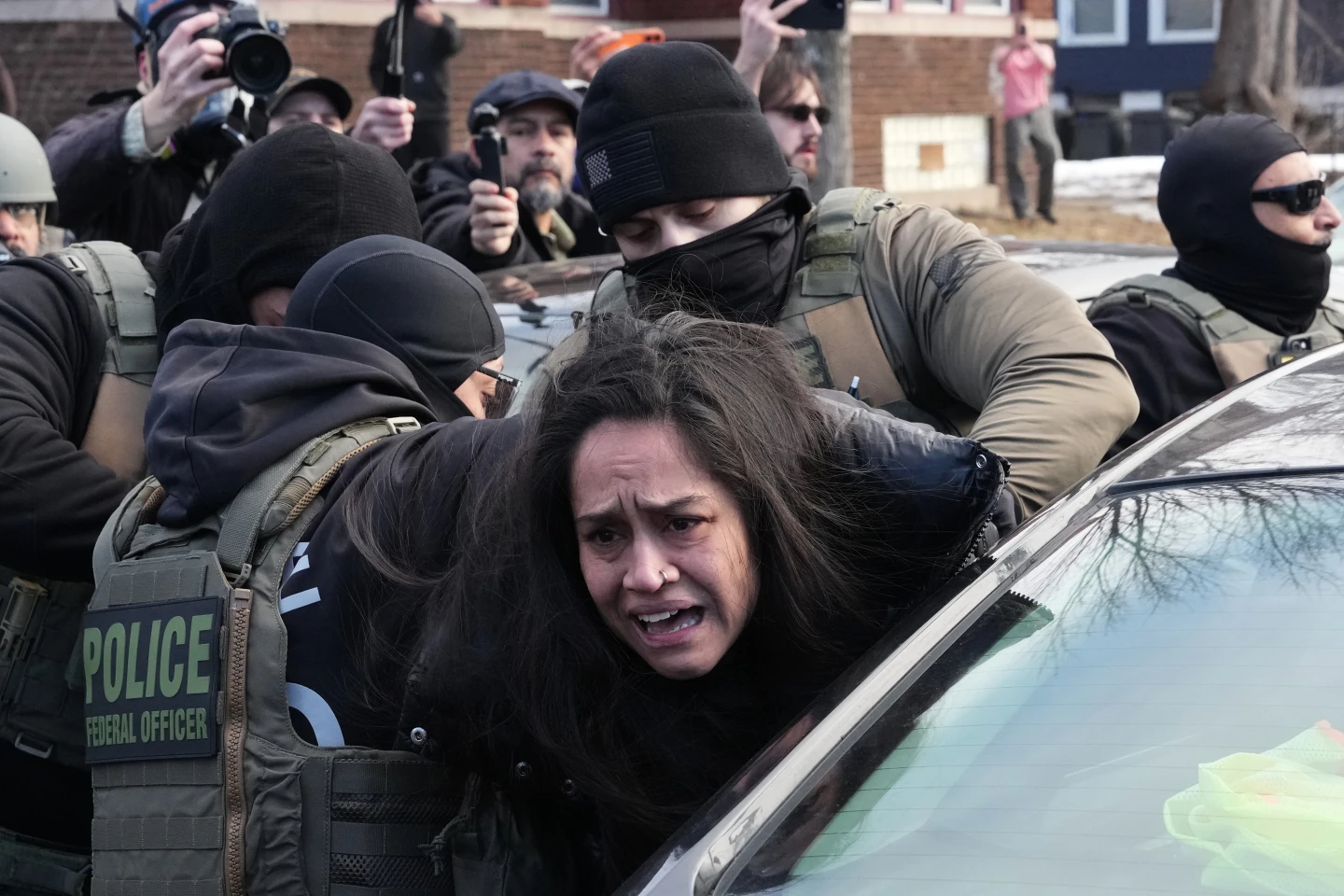
As night falls, confrontations intensify. Federal officers return from their operations, and tensions swell, sometimes erupting into physical altercations. The federal presence, largely unnoticed in affluent communities, becomes palpably oppressive in immigrant-rich neighborhoods.
“We’re not going anywhere!” a protester exclaims, a commitment intertwined with anger, as the community rallies against a crackdown reverberating through the city. This is Operation Metro Surge—a concerted effort involving over 2,000 federal officers, marking one of the most extensive enforcement pushes under the Trump administration.
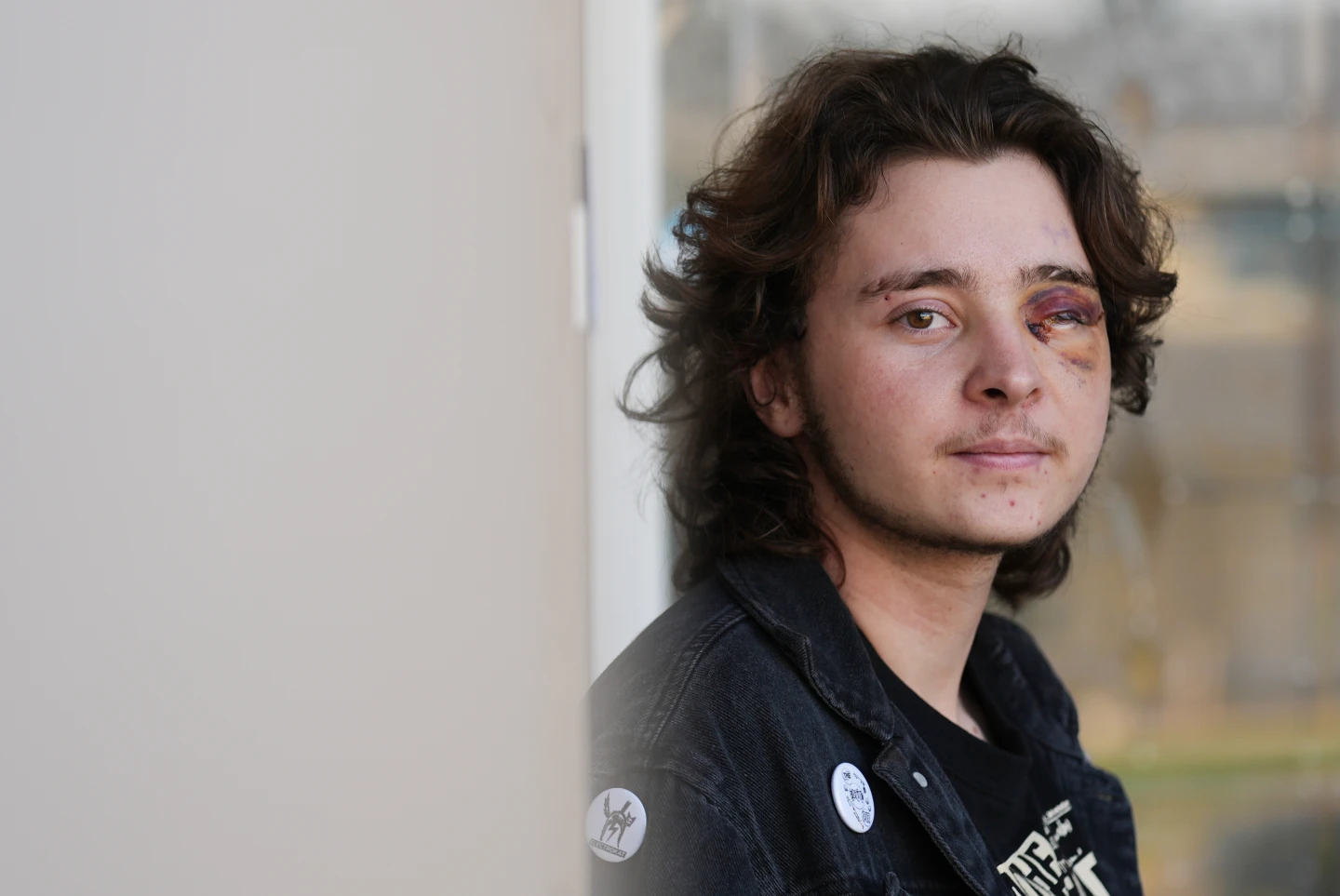
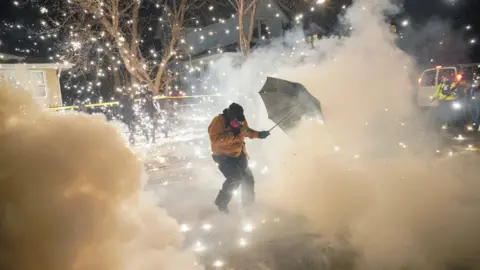
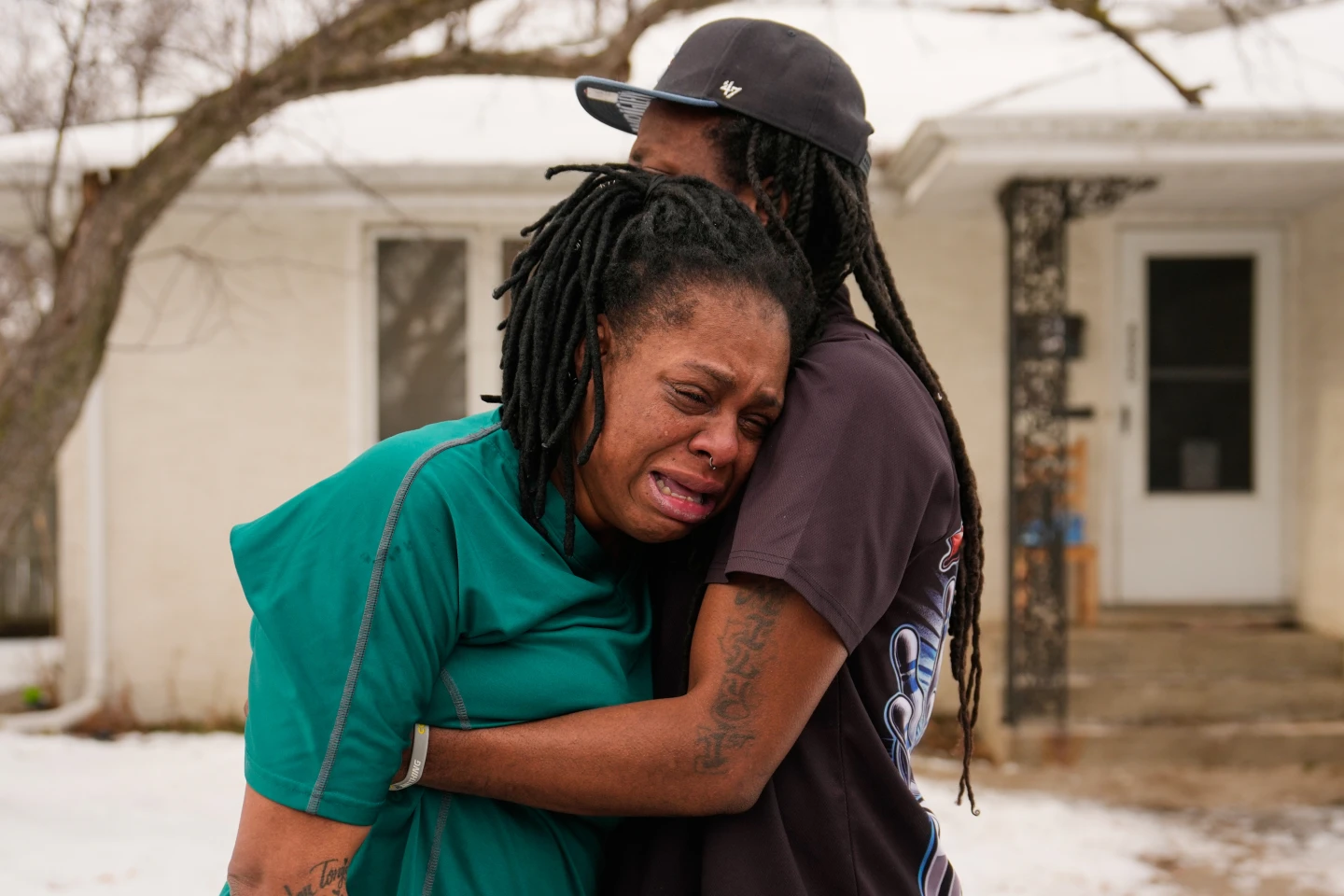
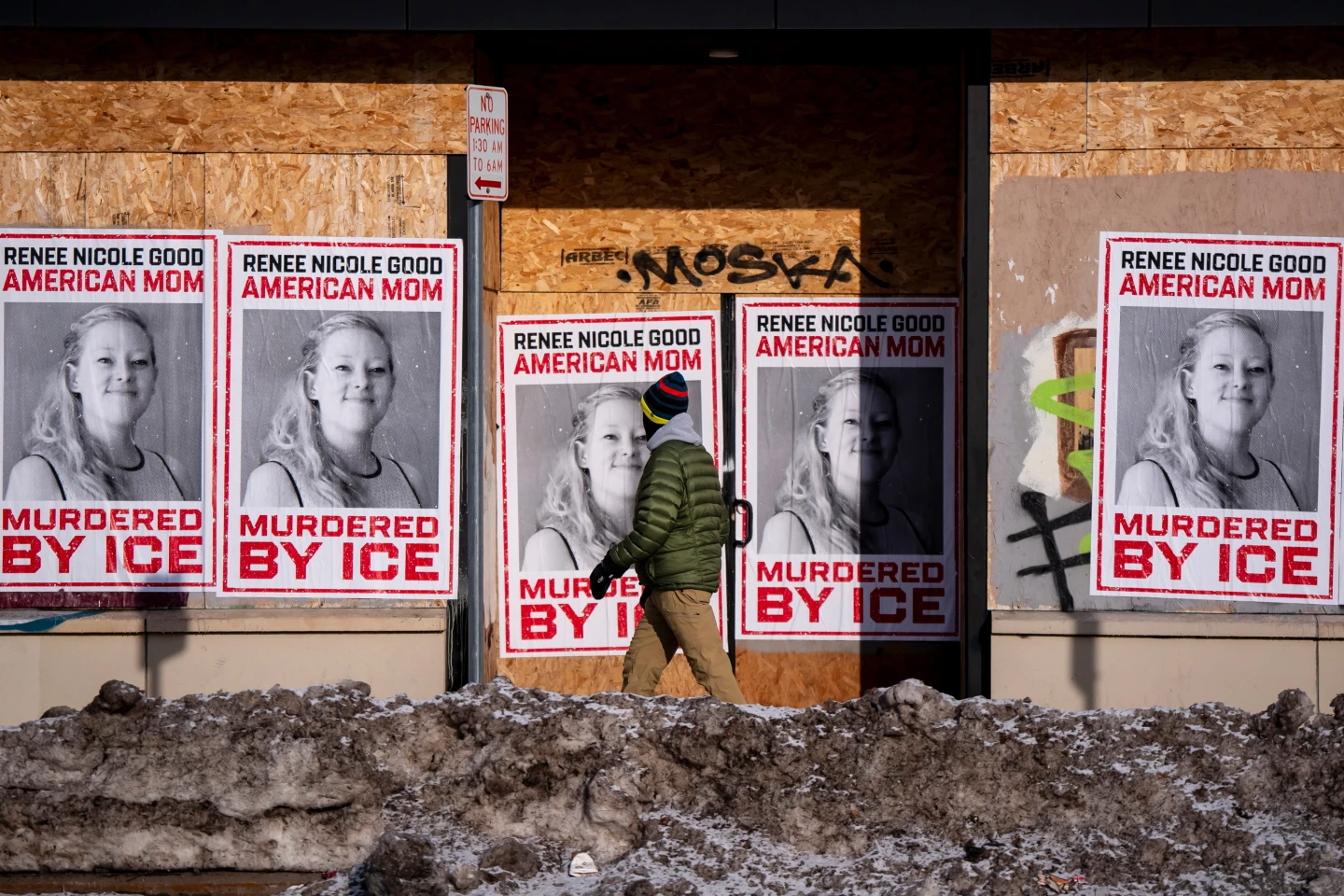
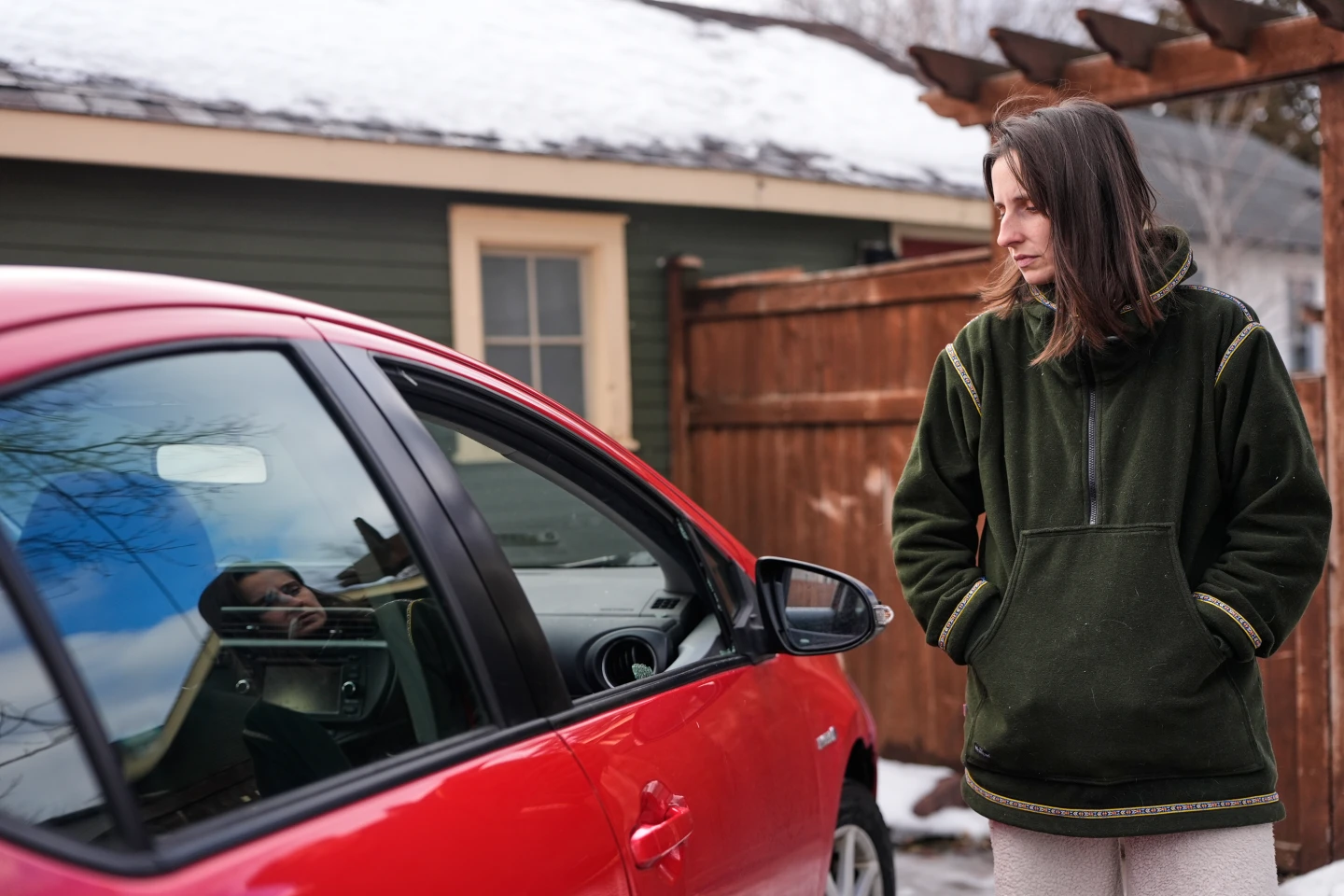
In a city notorious for its liberal stance, this operation has galvanized diverse responses. Activists face harsh confrontations with immigration officers, culminating in instances of violence and tear gas. The community grapples with the emotional scars left in the wake of a recent deadly incident involving federal officers and a local mother.
Minneapolis Mayor Jacob Frey acknowledges the disproportionate influx of federal agents, which heightens fears and alters daily routines for many families, prompting children to avoid school and businesses to shutter their doors. “What we are seeing is thousands — plural, thousands — of federal agents coming into our city,” he reported, emphasizing the strain on local resources and the disruption to the community's fabric.
The shadow of George Floyd’s murder looms heavily over the current climate of unrest. Activists question the motivations behind federal actions, given the city’s tumultuous history of violence and protest. As the protests gain momentum, fears of a violent backlash linger in the air.
In this vein, community members seek to maintain a sense of unity and safety, with many offering support to those affected by the recent crackdowns. In a demonstration of the community spirit that defines Minnesota, residents take proactive measures—shoveling driveways, organizing food parcels, and watching over schools to protect immigrant families.
However, the national attention surrounding the crackdown may escalate tensions further. With cities like Minneapolis becoming a battleground in the broader national conversation about immigration, activists vow to remain resilient and visible, despite the potential for backlash.
As one resident noted, “I think they’ll see Minneapolis show our rage again,” hinting at an ever-present possibility for renewed demonstrations as the community confronts the uncomfortable reality of federal enforcement in their midst.