In brief
A jawbone with attached teeth and other possible human skeletons were recovered at Lake Mead’s Boulder Beach, the largest reservoir in the United States, where water levels have fallen to a historic low. Local officials responded on August 16, and the site is under investigation. The discovery highlights the severe drought affecting Nevada and the broader West, with climate change experts linking persistent hot weather to rapidly dropping lake levels. Similar finds have emerged from other embankments worldwide as water retreats.
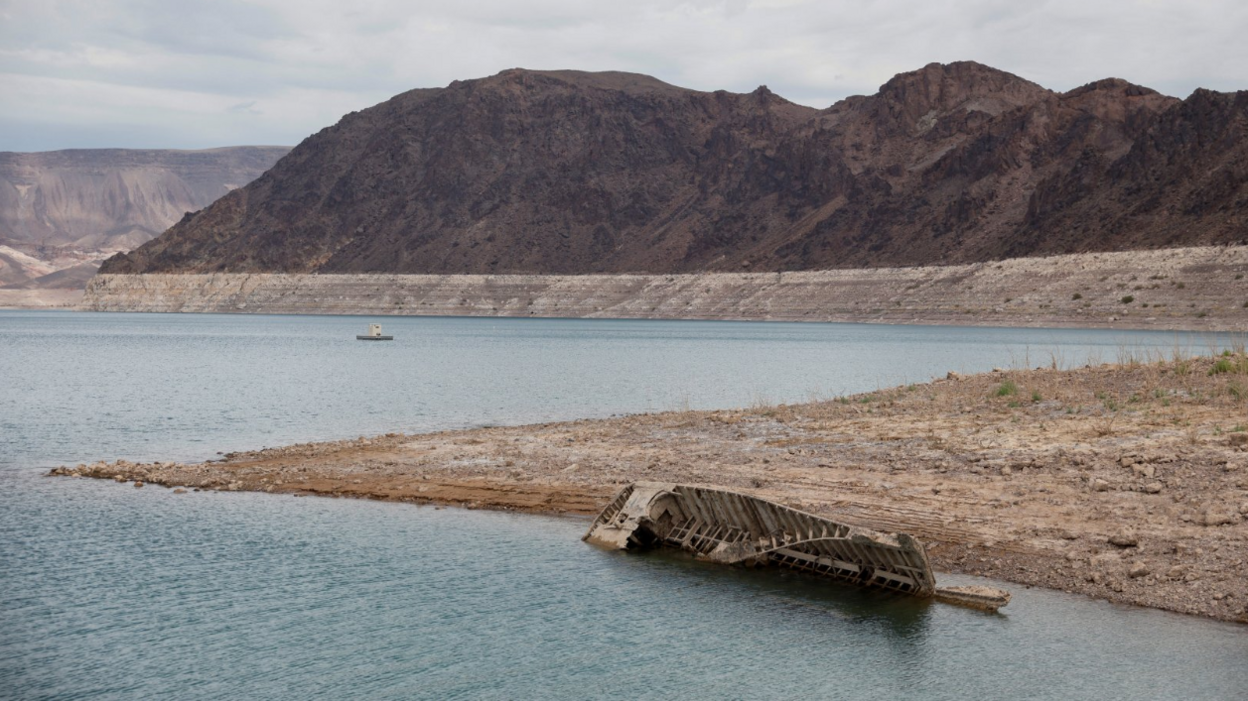
Local authorities found a jawbone with teeth still attached and other possible skeletal remains on the exposed shore of Lake Mead on August 16, according to the US National Park Service. The most‑invasive water levels in the reservoir’s history have brought parts of the rockface and sediment to the shoreline, creating conditions that exposed the bones.
A ranger from the National Park Service and a deputy from the Las Vegas Metropolitan Police Department responded to the scene, and the National Park Service said the incident “remains under investigation, and no additional information is available at this time.”
The discovery happened at Boulder Beach on the Nevada side of the reservoir, near the Arizona border. A woman and her friend who were late at the park reported seeing the jawbone while playing around the lake.
The lower water levels, measured at 1,040 ft (316 m) above sea level, are a 22 % drop from the record low of 1,332 ft reached in July 2022, and a large part of the lake’s northern shore is now exposed. This figure is below the previous record low set in 2022 and the water has been declining steadily since 2000.
The drought that has reduced water across the Western United States is part of a broader climate‑change pattern that has made hot, dry summers increasingly common. Scientists say that this trend is causing rivers and lakes to shrink, and sometimes that leads to surprising discoveries. For example, recent drier periods in Hungary and the UK have re‑exposed wartime wrecks and long‑sealed village foundations.
Because the situation at Lake Mead and other reservoirs remains fluid, the National Park Service and the Las Vegas police are continuing to monitor the area. No definitive conclusions can be drawn at present, and investigators are working to identify whether the remains are indeed human and to trace a possible origin.
Photo by Reuters: a World War II‑era Higgins landing craft rests on the exposed shoreline at Lake Mead National Recreation Area.