In brief
The investigation by BBC Eye highlights that THQ Taunsa Hospital in Punjab, Pakistan, has continued dangerous injection practices even after a major HIV outbreak was identified among local children. A shocking 331 cases were reported, with evidence of syringe reuse seen during undercover footage. Experts warn that these practices pose serious public health risks.
Warning: This story contains details that readers may find distressing
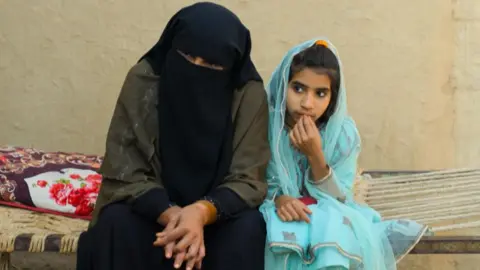
Children like Mohammed Amin, who died shortly after testing positive for HIV, and his sister Asma, are at the center of this health crisis linked to THQ Taunsa Hospital. The hospital's reuse of syringes—a practice doctors warned against—has been witnessed multiple times, potentially exposing many to the virus. Despite promises from local authorities for reforms, undercover footage shows repetition of dangerous practices.
During 32 hours of investigation, BBC Eye filmed staff reusing syringes on various children and observed a lack of sterile procedures in the hospital. The link between syringe reuse and the transmission of HIV is supported by experts, who indicated that this continues to highlight severe weaknesses in infection control training in Pakistan.
The local government has claimed that no conclusive evidence pins the outbreak on THQ Taunsa, despite findings indicating widespread unsafe practices. As a result, stakes remain high for the children's health as stigma continues to isolate families afflicted by HIV.
With worsening infection rates, the situation paints a grim picture of how institutional negligence leads to children's suffering. Asma, now battling the virus and loneliness, aspires to be a doctor, symbolizing the hope for a change in a deeply flawed healthcare system.