In brief
In Kyiv, President Zelenskiy welcomed U.S. envoys at St. Sophia Cathedral, underscoring the symbolic importance of the meeting. The envoys arrived by train to avoid Russian drones, while the guests’ arrival mirrored the earlier Kremlin diplomacy. Despite the charged symbolism, fundamental differences remain—Putin’s demand for territorial concessions clashes with Ukraine’s insistence on a strong army and no territory loss. Zelenskiy reiterated the need for clear security guarantees, and the talks left the future of fighting into winter still uncertain.
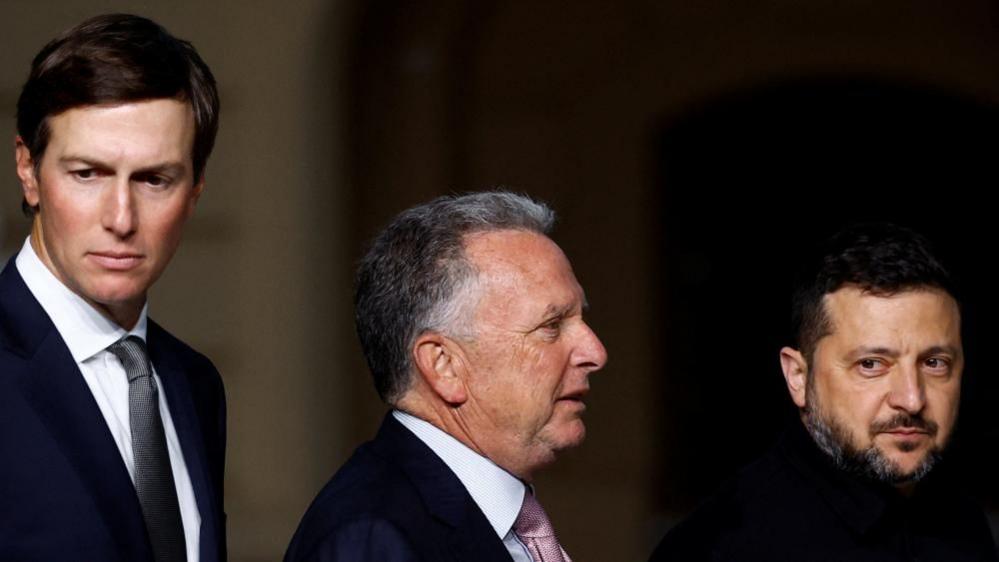
The meetings in Kyiv were laden with symbolism. President Volodymyr Zelenskiy greeted U.S. envoy Steve Witkoff and Jared Kushner at St. Sophia Cathedral – an emblem of Ukraine’s heritage – a few yards from the site of a recent drone strike on the security services headquarters.
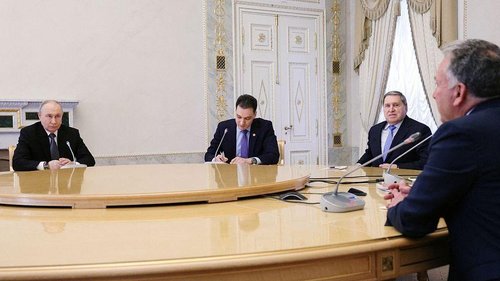
Trump’s representatives had to arrive by train; they could not risk flying amid Russian drone threats, a stark reminder of the ongoing conflict they were discussing. The visual drama of the arrival mirrored the earlier diplomatic reach the Kremlin made hours before the meeting.
Both sides spoke for hours, joined later by European national‑security advisers, including UK’s Jonathan Powell. They all praised the substantive dialogue, the atmosphere of hope for re‑instating tri‑lateral talks involving the U.S. and Europe.
However, the talks fell short of resolving core issues. Putin told the envoys Russia was making "tangible advances" on the battlefield, while Kyiv claimed it had gained more territory in August and suffered 42,000 casualties. Putin’s demands—territorial cede, abandonment of NATO ambitions, a downsized army—clash with Ukraine’s firm stance on maintaining sovereign borders.
Zelenskiy reiterated that Ukraine needs "strong and clear" security guarantees, especially a robust army, and made no indication of relinquishing land in Donbas, calling the topic "difficult." The expectation that fighting will extend into winter remains stark, though some diplomats see a window for settlement next spring – others are less optimistic.
Witkoff flagged progress, yet acknowledged both sides must compromise. For now, Kyiv views a temporary halt in air strikes as a brief respite but expects the conflict to continue, with harsh winters ahead for the country.