ATLANTA (AP) — With Democrats steadily wiping out Republicans electorally in the core Atlanta counties of swing-state Georgia, the latter party has introduced a novel approach: mandating that most local candidates run for office without party affiliations.
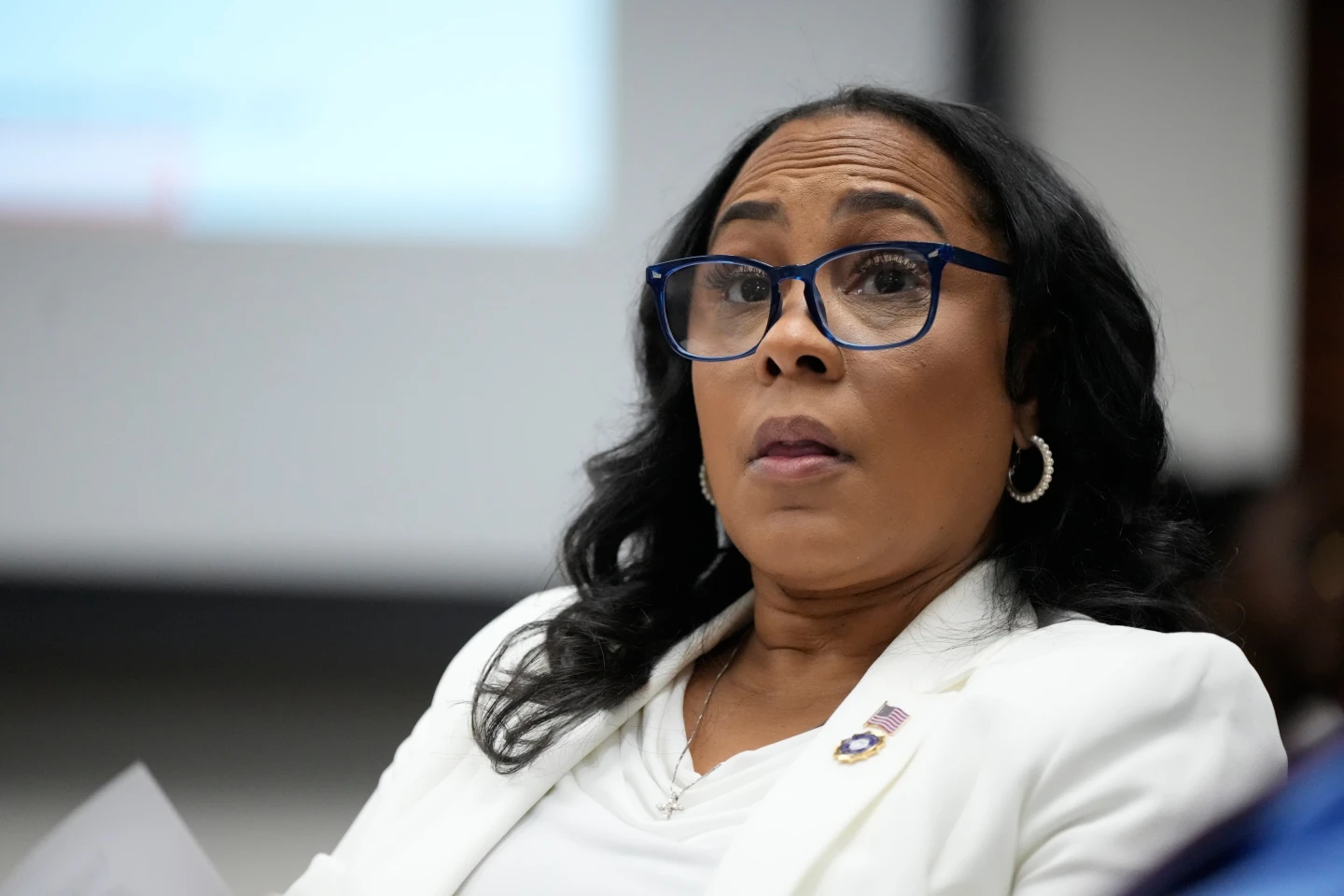
The Republican-majority Georgia House voted on Friday to finalize a bill that would enforce nonpartisan elections in the five most populous counties surrounding Atlanta. Notably impacted will be officials like Fulton County District Attorney Fani Willis, who has faced targeted legislative actions from Republicans following her prosecution of Donald Trump over efforts to overturn Joe Biden's electoral victory in 2020.
State Sen. John Albers, a Republican from Roswell, expressed that the legislation is essential for enhancing public safety, although it will continue to allow elected sheriffs to run with party labels when the law takes effect in 2028.
This is a bill that makes perfect sense, Albers stated during the Senate debate. If you’re playing politics, you’ll be against this. If you want to keep Georgians safe, you’ll be for it. The shift towards nonpartisan elections is poised to affect positions including district attorneys, county commissioners, and tax commissioners.
The bill will make significant changes in Fulton, DeKalb, and Clayton counties, which are pivotal Democratic strongholds, along with Cobb and Gwinnett, counties that have recently shifted towards Democratic leadership since 2016.
Critics of the bill, primarily Democrats, argue that it is an effort to manipulate election outcomes, making it easier for Republicans to compete in areas where they have struggled.
The aim behind this legislation is to cloak the losing party in a nonpartisan guise to enhance their chances of winning, remarked state Rep. Gabriel Sanchez, a Democrat from Cobb County.
Carter Chapman, spokesperson for Republican Governor Brian Kemp, refrained from stating whether Kemp supports the new measure.
While supporters of the bill claim that it benefits electoral fairness and Justice efforts, mounting concerns about the motivations behind this shift into nonpartisan elections continue amongst critics, who hold that real change requires a broader constitutional amendment rather than a simple legislative adjustment.
As the debate over this bill unfolds, it is evident that the battle for Georgia’s political landscape is intensifying, with implications extending far beyond mere election processes.