In brief
Amid relentless bombings and a collapsed power grid, a group of Palestinian software engineers and developers are turning the digital world into a lifeline. From makeshift co‑working spaces powered by generators, Walaa Volidis, a 24‑year‑old designer, talks with mentors in Silicon Valley, while 44‑year‑old former CTO Tarik Zaeem freelances on behalf of clients in Saudi Arabia. They earn a modest income that supports families living in tents, while NGOs help them find jobs and secure equipment. The stories showcase both the vulnerability and ingenuity of Gaza’s tech community, hinting at a possible future where creativity can outlast destruction.
In the heart of Gaza, where bullets turn streets into rubble and power flickers, a small band of software engineers are turning laptops into lifelines. Their stories—though personal, they echo a broader digital promise—start with Walaa Volidis.
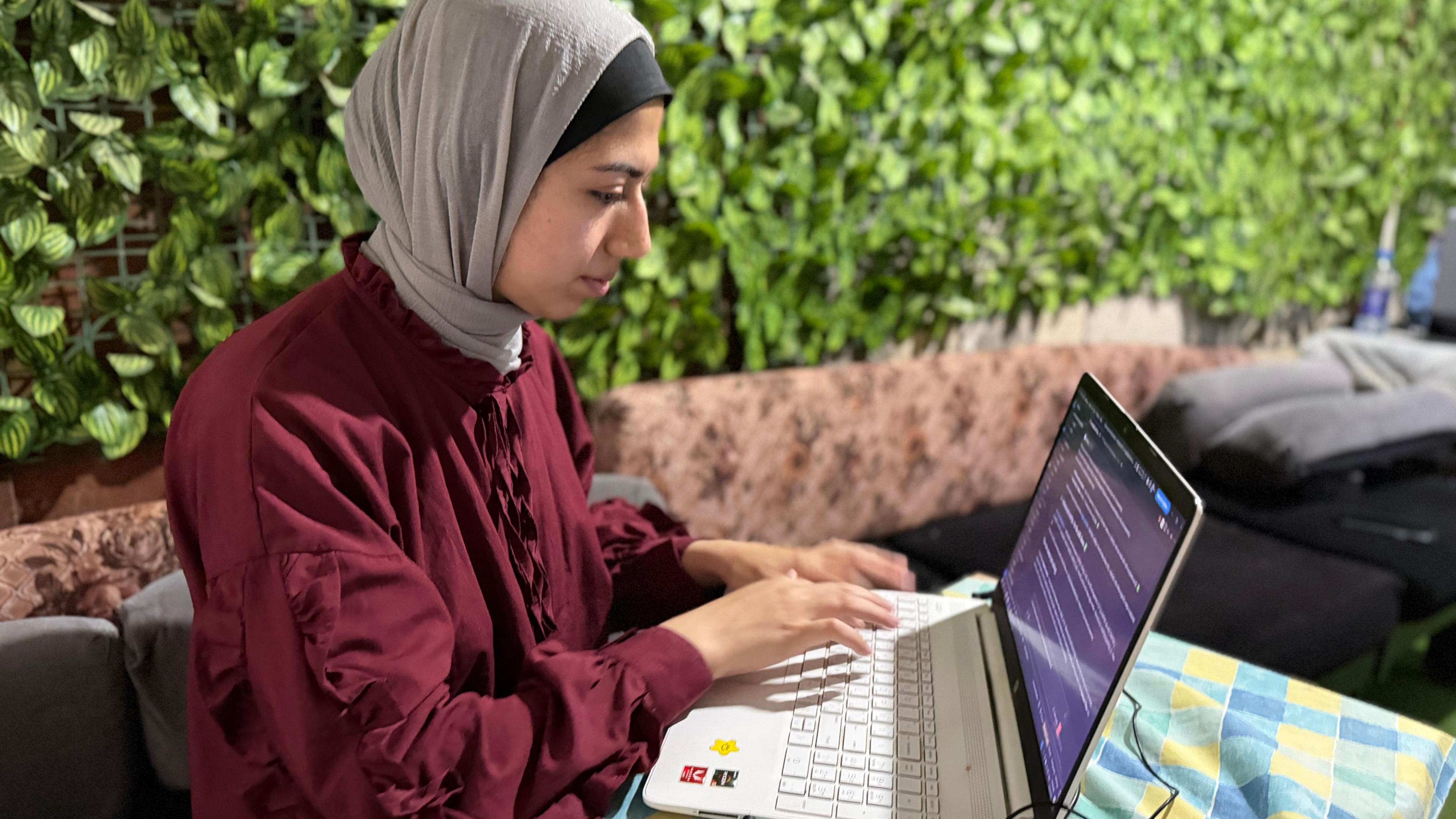
'I was just in a trough, drowning in uncertainty,' she says, her voice steady over a video call while a solar‑powered laptop sings quietly. The 24‑year‑old has a headset on, her camera steady, and is online with a mentor in California’s Silicon Valley, proving that code and conversation can cross turmoil.
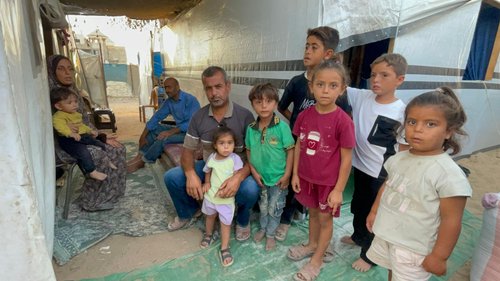
Walaa works in a tent in Deir al‑Balah, surrounded by the ruins of the town. Eight families cling to the only generator that runs a charging hub; every draw on the battery is precious. Yet, her dream of supporting her younger sister—who suffered a chronic swelling after a bomb blast—keeps her motivated.
She recently landed a full‑time job with a Dubai‑based firm, an opportunity that stems from a partnership with the Palestinian‑Dutch NGO TAP. That kind of connection is vital in a realm where 80% of jobs are lost and few banks remain open.
Meanwhile, 44‑year‑old former chief technology officer Tarik Zaeem shifts from a pre‑war tech firm to freelancing, selling apps and web solutions to Saudi clients. His laptop screen, battered during a strike, forces him to carry an external monitor, yet he still completes projects that generate enough to keep his wife and three children safe in Egypt.
Remote work is no longer a luxury but a lifeline. Mercy Corps, along with NGOs like TAP, has set up new co‑working spaces powered by generators and solar panels, creating pockets of connectivity amid a 75% damaged telecommunications grid. These makeshift hubs allow dozens of tech workers to continue coding and to keep lives afloat.
Not all is smooth. Tarik’s payments fluctuate because of banking restrictions and high conversion fees, often reducing his earnings to half. Yet every ping on his laptop feels like a promise of income, a chance to bring his family out of a tent.
The threat of air strikes looms large. In June, an Israeli strike outside the co‑working space claimed a student who was taking an online exam. Mahran Bayed, another freelancer, explains how his team reassures international clients: “If we get killed, the work here is available. Our code’s on the cloud, not tied to a single city.”
Realising that this is more than just a profession, many Gaza tech workers view their own resilience as a public service. Walaa’s new job in Dubai is generous enough to attempt a medical evacuation for her younger brother, while Tarik hopes to build a portfolio that can one day join an app store offering everyone in Gaza a voice on the global stage.
These narratives paint a brief picture of hope: a city of bombs turning to code, a people given missing pieces of the world to build from the ground up. In the shadows of a ceasefire that hasn’t fixed the power grid, the click of a keyboard remains a bright, quiet counter‑argument to destruction.