In brief
The World Food Programme (WFP) is forced to reduce help to Gaza from 1.6 million to 1.1 million people as funding falls below half of last year’s levels. Daily food‑handouts at community kitchens will drop from 250,000 to 150,000 meals, and families in hard‑to‑reach areas will receive a meal every other day. Reeling from deep poverty and ongoing Israeli strikes, the Gaza Strip’s 2.1 million residents—most displaced—now depend on aid for survival. The WFP urgently needs $450 million to keep crucial food, bakery and health‑snack services running. As winter approaches, the risk of famine looms larger than ever.
WFP slashes aid in Gaza as funding gaps widen
The World Food Programme (WFP) – the UN body that feeds millions across conflict zones – has announced a steep cut in food assistance to the Gaza Strip. It will now support about 1.1 million people, down from 1.6 million last year, because the agency has received less than half of the money it received for Palestinian operations in 2026.
Community kitchens that have been feeding nearly a quarter of a million people a day will now serve 150,000 hot meals instead of 250,000. Families in hard‑to‑reach areas, such as those near the Israeli‑controlled “Yellow Line”, will get a meal only every second day. The change comes just as winter approaches and many livelihoods are already in doubt.
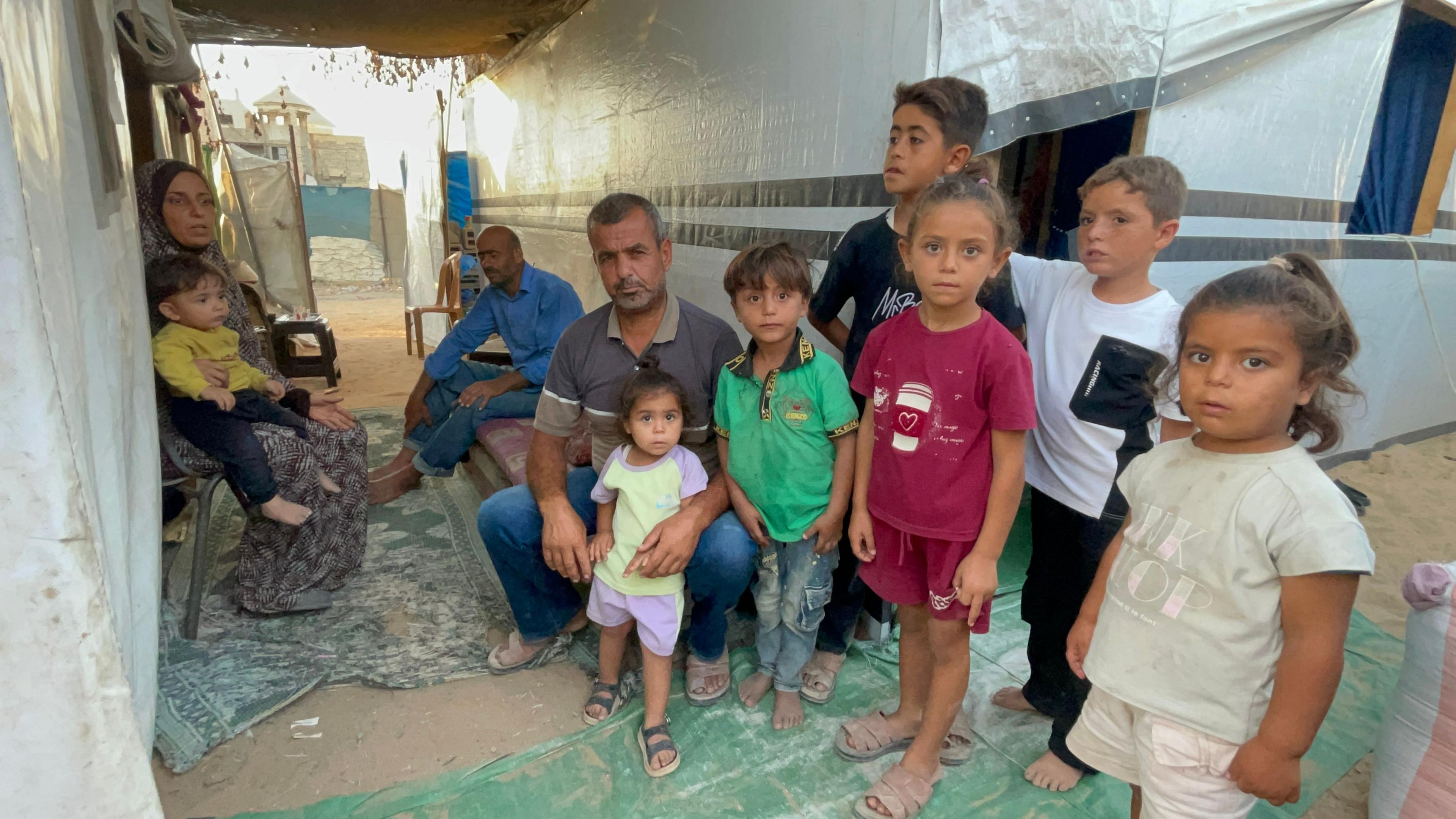
“It’s a disaster! What will we do with these reduced rations? How will we feed the little ones?” said Mervat al‑Satari, a mother of five living in a camp in Khan Younis. Her husband, a carpenter, added that the fried potatoes and lentils supplied by the kitchen are barely enough.
Dalal al‑Dahdouh, whose home in Gaza City was destroyed in an airstrike, said the cuts “will have a major impact” on her family of eight. She explained that before the war they grew their own vegetables and had a reliable source of electricity. “Now we live entirely on aid, including WFP vouchers,” she told reporters.
Sawsan Bahloul, who also feeds three children from the kitchen, is forced to burn plastic and cardboard for hot pots because the scarcity of cooking gas – banned as a “dual‑use” item – leaves her no choice. She added, “Sometimes we wait for these meals to eat.”
The WFP’s Palestinian director, Shaun Hughes, stressed that the cut is purely financial. “Not because needs are falling or we lack access. We do have access; it is a funding problem.” The agency is chasing $450 million (about £338 million) to keep its “critical” programs running for the next six months.
Despite the pace of reconstruction halting and Israeli gates remaining largely closed, the WFP is still delivering bread to one‑third of Gaza’s needs and feeding around 300,000 women and children through nutritional programmes. The Integrated Phase Classification reports that two‑thirds of the population – roughly 1.4 million people – are likely to encounter levels of acute food insecurity or worse between July and December 2026.
With the cost of flour and other staples soaring, and more than 80 % of Gazans unemployed, families are reliant on ration boxes that are already shrinking in quantity. Local shops may be stocked but the price of food has outpaced the most modest cash transfers the WFP is still able to give.
If funding does not arrive, critics warn that the risk of famine could re‑emerge for a territory already besieged, displaced, and beset by daily Israeli strikes despite a one‑year‑old ceasefire.