In brief
The world is grappling with the loss of Pope Francis, a champion for the oppressed, as his death marks the end of an era in moral guidance against increasing global authoritarianism.
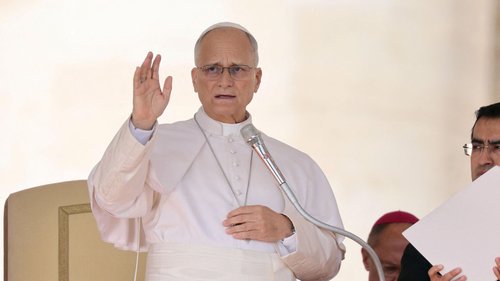
As the world faces escalating crises surrounding human rights, migration, and environmental protection, the recent death of Pope Francis on Monday has left many reflecting on his pivotal role as a voice for the marginalized and a moral compass in a shifting political landscape. Archbishop Paul Gallagher, the Vatican's foreign minister and an aide to the late pope, spoke on how Francis reacted to governmental setbacks: “Silence comes upon him,” he noted, indicating a profound disappointment in political decisions that contrasted sharply with Francis’ vision for a more compassionate world.When Pope Francis ascended to the papacy in 2013, he emerged into a global political arena filled with leaders like Barack Obama and Angela Merkel, who aligned with his ideals. However, in the years preceding his death, the political tides shifted significantly, showcasing rising authoritarianism and divisive policies. The upcoming funeral will see the attendance of leaders whose agendas starkly differ from Francis’, including Donald Trump and Argentina’s current president, Javier Milei. As the voices of progressive leaders diminished, Francis stood increasingly isolated, his calls for compassion, environmental stewardship, and human dignity seeming to fall on deaf ears.“His voice is certainly missing,” Archbishop Gallagher asserted, highlighting the vacuum left in the advocacy for migrants and refugees. As these concerns gain more significance amidst a backdrop of mass deportations and geopolitical tensions, many are now questioning who will step into the role that Francis once occupied. His departure signals not only a loss for the Catholic Church but for the global community, as it navigates an emergent world disorder and faces crucial humanitarian challenges without a prominent moral guide to illuminate the path forward.