In brief
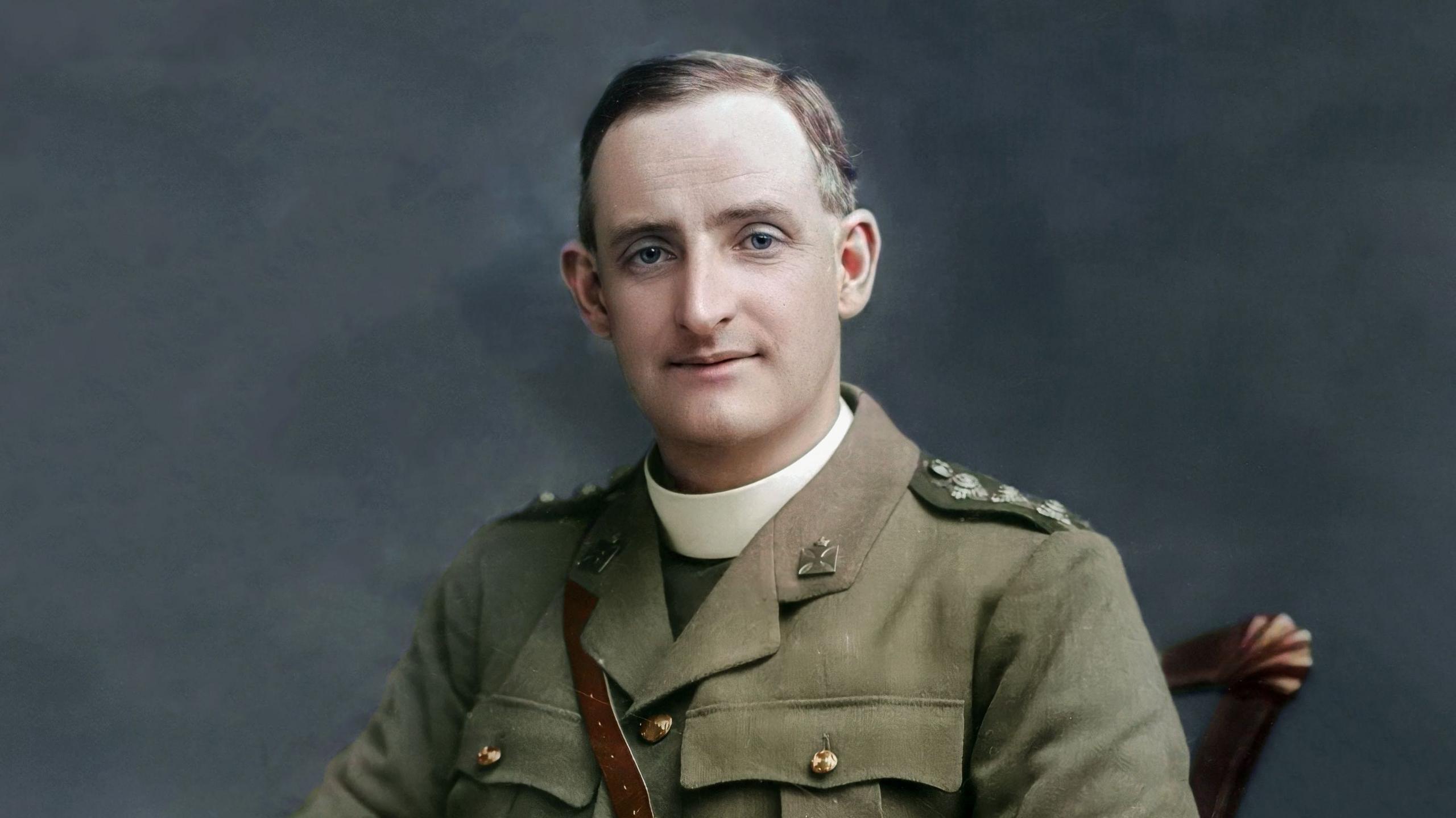
Fr Willie Doyle, a Dubliner who served as a chaplain with the 16th (Irish) Division in World War I, is being considered for sainthood by the Catholic Church. The church will hold a solemn service at Mullingar Cathedral and will forward some 3,500 pages of documents, including his letters and testimonies, to the Vatican. Doyle was known for his bravery under fire, earning a Military Cross and bravery recognitions, and his actions earned him the designation of an “ecumenical martyr of charity.” The Fr Willie Doyle Association, founded in 2020, has led the campaign, citing his courage, compassion and the spiritual resonance of his example with today’s younger generations.
For the first time in decades, a World War I chaplain from Dublin is edging closer to sainthood. Fr Willie Doyle, who served with the 16th (Irish) Division on the Western Front, is honoured for the countless times he ran across No Man’s Land to rescue wounded soldiers, all while carrying a white clerical collar.
On Sunday, the Catholic Church in Ireland held a special service in Mullingar Cathedral to mark the final public session of a diocesan tribunal. At the ceremony, Bishop Tom Deenihan sealed bundles of evidence—three‑and‑a‑half thousand pages of letters, eyewitness accounts and military records—before sending them to Rome.
The Fr Willie Doyle Association, led by Patrick Kenny, has spearheaded a campaign that began in 2020 after a biography of the priest revealed his heroism. “He was awarded the Military Cross for his bravery at the Somme and was mentioned in dispatches many times,” Kenny told BBC News NI.
Doyle’s past includes a comfortable upbringing in Dalkey, a commitment to the Jesuit order in his youth, and a courageous choice to serve in the trenches in 1915. He was killed by shellfire on 16 August 1917 at the Battle of Passchendaele while assisting two wounded Protestant soldiers, a testament to his ecumenical dedication.
The canonisation process involves five key steps, and this is only the initial phase. After the Vatican reviews the evidence, the next stages will involve beatification and venerisation before a final declaration of sainthood.