In brief
As the COP30 UN climate talks extend past their scheduled closure, a significant dispute erupts regarding fossil fuel usage commitments. Countries are divided over the urgency of reducing fossil fuel consumption, with major players like Brazil advocating for stronger agreements against resistance from oil-producing nations. With deadlines pressing and ongoing protests, stakeholders express concerns over potential setbacks in climate action.
A bitter row over fossil fuels has broken out at the COP30 UN climate talks in Belém, Brazil, as the meeting formally runs over time. At the heart of the row is a disagreement over how strong a deal should be on working to reduce the world's use of fossil fuels, whose emissions are by far the largest contributor to climate change.
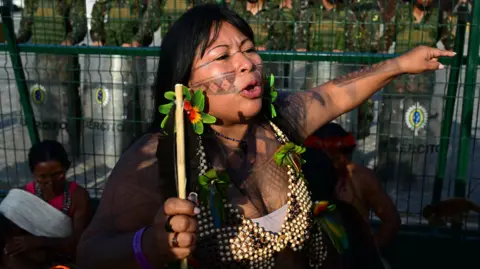
The dispute pits groups of countries against each other, but all 194 parties must agree in order to pass a deal at the two-week summit. Representatives and observers from inside a guarded negotiating room say the talks have become very difficult. One negotiator inside the room told the BBC that there 'is a lot of fighting'.
The talks were meant to finish at 1800 local time (2100GMT) and will now spill into overtime. But the cruise ships that many delegations are staying on due to lack of accommodation in Belém depart the city on Saturday, piling on the pressure.
Brazil's President Luiz Inácio Lula da Silva and some countries including the UK want the summit to commit nations to stronger, faster action to reduce their use of fossil fuels. It would advance a deal made two years ago, at COP28 in Dubai, that committed countries to 'transition away from fossil fuels'.
A first draft of an agreement in Brazil offered three options including timeframes, but the latest version has no mention of fossil fuels. French Environment Minister Monique Barbut said the deal was being blocked by 'oil-producing countries - Russia, India, Saudi Arabia, but joined by many emerging countries.' She added: 'As it stands now, we have nothing left.'
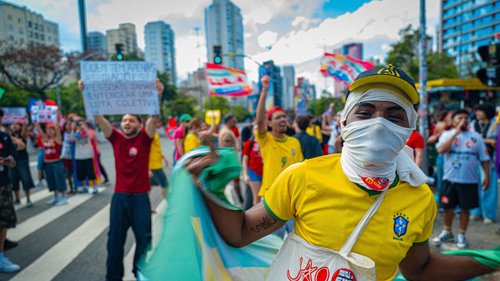
The meeting is characterized by groups of campaigners chanting 'fossil fuels out' and hanging banners saying 'Stop Amazon oil' and '1.5C under threat: time to act'. International Youth Climate Movement campaigner Shurabe Mercado, from Mexico told BBC News, 'Our generation is most at risk and we are most at stake.'
Some developing countries have not backed the deal on fossil fuels because they want richer nations to first deliver on promises to give climate finance to help them cope with or adapt to the effects of climate change. Aisha Moriana, head of Pakistan's delegation, emphasized the need for adaptation financing, questioning who will cover the costs as she called for substantial commitments from wealthier nations.