In brief
In an unprecedented move, India has initiated urgent cash transfer schemes helping over 118 million women across various states. These monthly payments serve as both a financial lifeline and a recognition of women's significant contributions to household labor. While this initiative receives mixed feedback, it presents new opportunities for agency among women, underscoring the societal importance of recognizing unpaid care work.
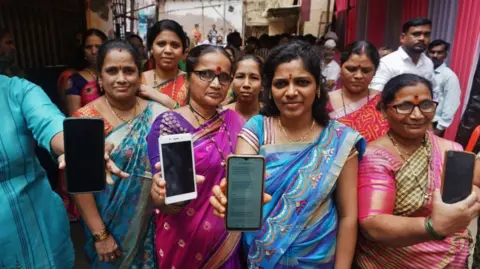
In a village in Madhya Pradesh, Premila Bhalavi highlights the impact of a small but steady monthly cash transfer from the government. The 1,500 rupees ($16) she receives, while modest, plays a crucial role in her household, providing for essentials like medicines, groceries, and school fees. Her experience is becoming increasingly common among the 118 million women across 12 Indian states currently benefiting from unconditional cash transfers, marking one of the world’s grandest experiments in social policy aimed at supporting women's economic roles.
The initiative, which began with Goa's scheme in 2013, has gathered momentum, especially during the COVID-19 pandemic. These cash transfers are transforming the traditional perception of women's household roles and giving them a sense of control and financial independence.
Concerns about the potential for vote-buying in political contexts have arisen, especially since several state governments have used these transfers strategically before elections. However, many experts argue that these programs reflect a growing acknowledgment of the economic value of unpaid domestic work, helping women reclaim their dignity and agency.
Critics still point to the strain these initiatives place on state finances, with an estimated $18 billion earmarked for cash payouts in fiscal 2025. Supporters counter that the programs signify vital progress in recognizing women's contributions to society.
As states continue to roll out these impactful cash transfer schemes, India's experiment could serve as a beacon for other nations looking to provide financial support to women while acknowledging their unpaid labor.