In brief
The U.S. Air Force's elite combat rescue teams, including Pararescue units, have been deployed to locate a downed aircraft and its pilot in Iran. These teams are trained for high-risk operations, ensuring that no soldier is left behind in hostile territories. The history of Combat Search and Rescue (CSAR) missions is steeped in military tradition, beginning as far back as World War I. Modern missions are often complex, with CSAR units working under immense time pressure in enemy-controlled areas.
Recent reports have indicated that a pilot of a US F-15 fighter aircraft downed over Iran has been rescued, marking yet another moment in the legacy of U.S. combat search-and-rescue missions. Ongoing operations are reportedly in place to locate a second crew member deep within enemy territory.
Combat search and rescue, also known as CSAR, represents one of the most complex and time-sensitive military missions, illustrating the preparedness of elite units within the U.S. Air Force. These specially trained teams are often stationed near conflict zones in anticipation of potential downed aircraft incidents.
What is Combat Search and Rescue?
CSAR missions focus on locating, aiding, and rescuing service members in danger, particularly downed pilots and isolated troops, in hostile environments. Unlike conventional rescue operations seen during humanitarian efforts or post-disasters, CSAR occurs in contested areas where enemy forces may be nearby.
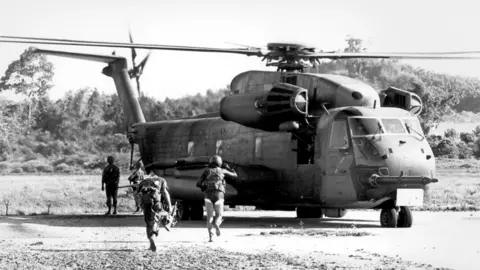
The timeline of a CSAR operation is critical, as the presence of enemy troops poses a significant threat to both the personnel in danger and the rescuers aiming to save them. Today, helicopters primarily conduct CSAR operations, supported by refuelers and other aircraft ready to carry out strikes or patrol.
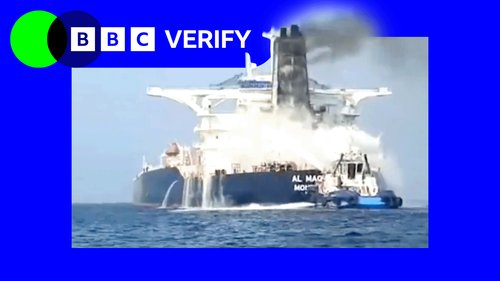
Verification has emerged showing video evidence of U.S. military helicopters operating over Iran, specifically in the Khuzestan province, as the dramatic rescue efforts unfold.
The History of CSAR Missions
The lineage of airborne rescue missions extends back to WWI, with the first helicopter rescues occurring a year later. In modern history, significant CSAR operations began during the Vietnam War, necessitating a comprehensive expansion of CSAR strategies, refining tactics that laid the groundwork for contemporary operations.
The U.S. Air Force’s Pararescue units are specifically designated for these missions, creating a specialized community aimed at ensuring U.S. military personnel are never abandoned. Trained as both combatants and paramedics, these elite teams undergo rigorous selection and training processes, with around 80% of candidates unable to complete the program successfully.
In recent conflicts, Pararescue teams have been instrumental in revisiting complex rescue operations, allowing thousands of military personnel to safely return home, shaping the foundation of military rescue protocols today.