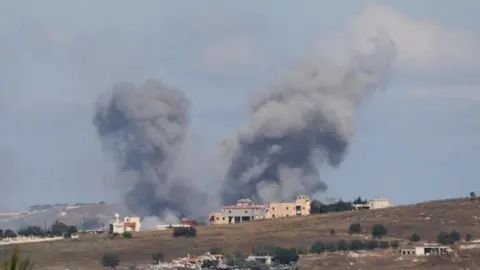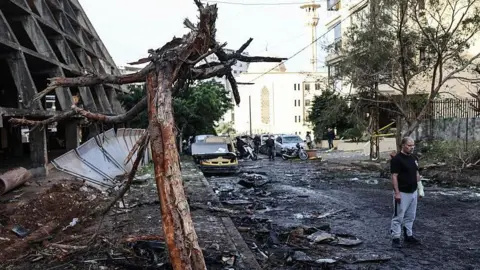
Israel has intensified its attacks on Lebanon this week, hitting areas outside of Hezbollah's control on Tuesday. Strikes without warning hit a vehicle north of Beirut and the Jnah neighbourhood in the heart of the capital. Attacks also continued in the city's southern suburbs and the country's south, locations where Hezbollah maintains a strong presence.
A building was destroyed on the road to Beirut's airport following an evacuation order, and in the south, a strike hit a health facility, leading to the death of a paramedic, according to Lebanon's health ministry.
The Israeli military stated it targeted Hezbollah infrastructure in Beirut, claiming the deaths of a senior commander and another high-ranking figure from the Iranian-backed group.
Hezbollah has been actively engaged in the regional conflict since early March, retaliating against Israel amidst escalating tensions.
Israeli attacks have relentlessly bombarded Lebanon as its military operations extend into southern territories. This recent wave of strikes includes attacks in the predominantly Christian area of Mansourieh and significant bombardments in Jnah, prompting concerns over civilian safety.
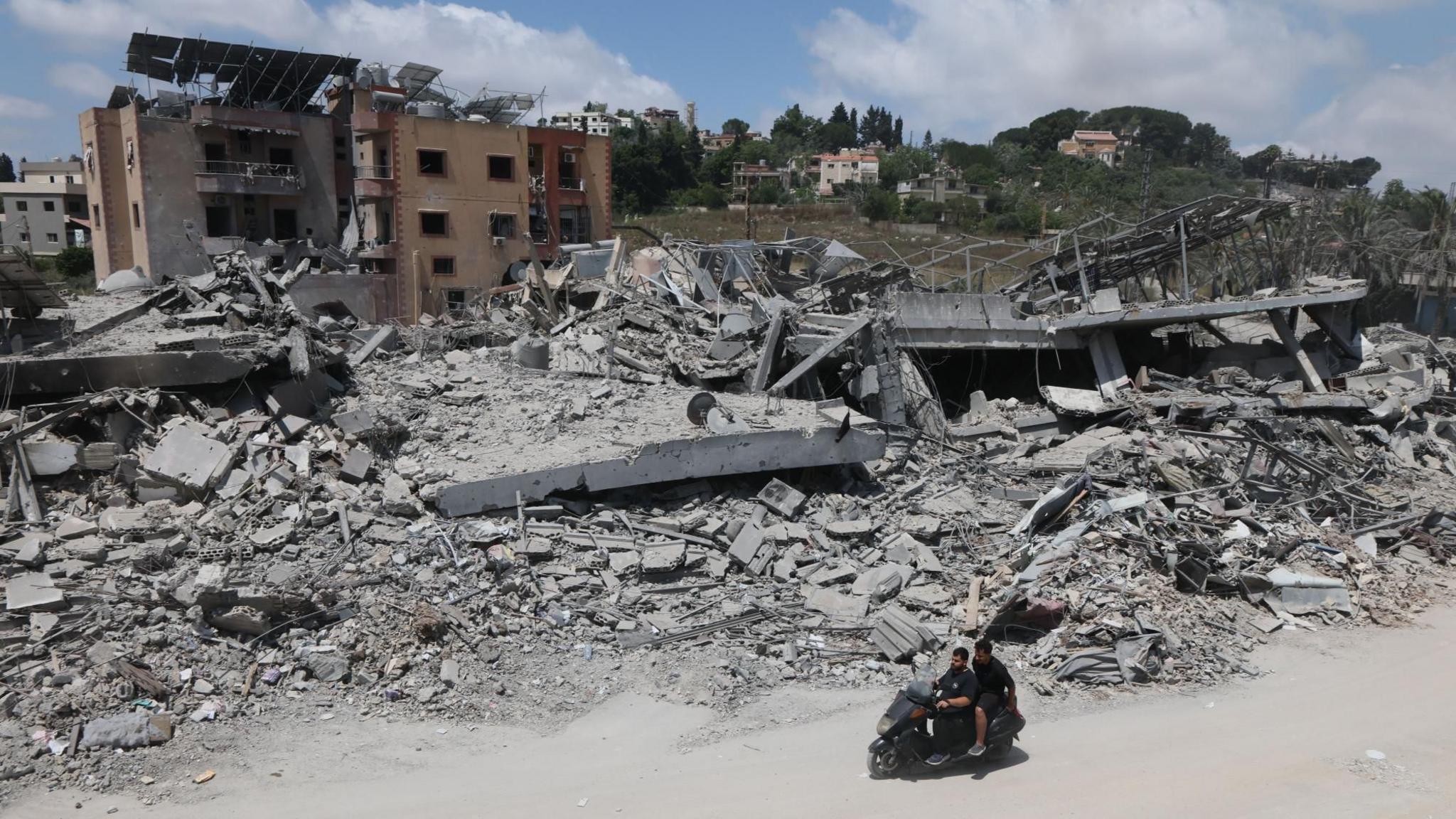
Local residents described hearing powerful explosions and reported widespread destruction, with many displaced individuals unable to find shelter.
The Lebanese health ministry noted the critical condition of injured civilians and has raised alarms over the death of health workers, now totaling at least 53 since the conflict began.
With the Israeli military announcing intentions to control large expanses of land in southern Lebanon as a security measure, criticism has risen from the UN regarding potential human rights violations and the plight of displaced populations. Over one million people have fled their homes due to the ongoing violence, yet many remain adamant about staying, citing a connection to their land.
The situation continues to escalate, with fears that the current conflicts may lead to prolonged suffering and displacement for the Lebanese population.
A building was destroyed on the road to Beirut's airport following an evacuation order, and in the south, a strike hit a health facility, leading to the death of a paramedic, according to Lebanon's health ministry.
The Israeli military stated it targeted Hezbollah infrastructure in Beirut, claiming the deaths of a senior commander and another high-ranking figure from the Iranian-backed group.
Hezbollah has been actively engaged in the regional conflict since early March, retaliating against Israel amidst escalating tensions.
Israeli attacks have relentlessly bombarded Lebanon as its military operations extend into southern territories. This recent wave of strikes includes attacks in the predominantly Christian area of Mansourieh and significant bombardments in Jnah, prompting concerns over civilian safety.
Local residents described hearing powerful explosions and reported widespread destruction, with many displaced individuals unable to find shelter.
The Lebanese health ministry noted the critical condition of injured civilians and has raised alarms over the death of health workers, now totaling at least 53 since the conflict began.
With the Israeli military announcing intentions to control large expanses of land in southern Lebanon as a security measure, criticism has risen from the UN regarding potential human rights violations and the plight of displaced populations. Over one million people have fled their homes due to the ongoing violence, yet many remain adamant about staying, citing a connection to their land.
The situation continues to escalate, with fears that the current conflicts may lead to prolonged suffering and displacement for the Lebanese population.