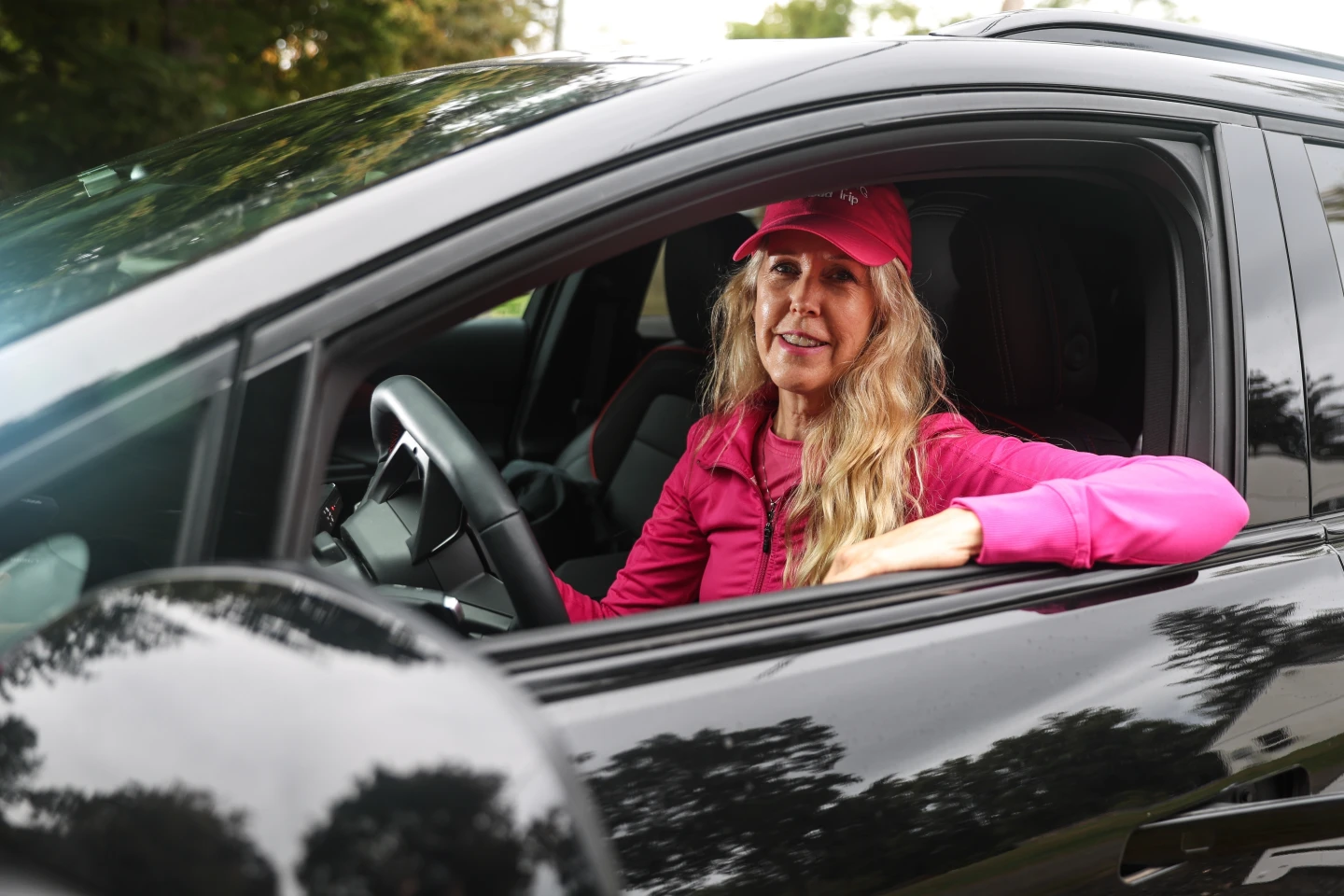
Lola Baird has just asked her boyfriend to pull over. Forty minutes into a journey she’s feeling overwhelmed by nausea – and can’t stop herself throwing up next to the car.
Lola, 24, from north London, never experienced motion sickness until her boyfriend bought an electric vehicle (EV) two years ago. Since then, long drives in his quiet, silent car have left her very nauseous, and she has even asked him to switch from his EV to a conventional car.
She is not alone. Other passengers report that their journeys in electric cars feel worse than those in combustion‑engine vehicles, yet many EV drivers say the problem is not obvious to them. This paradox has prompted the first systematic look into whether EVs can trigger motion sickness.
What is going on?
Physicians say the chief culprit may be a mismatch of sensory cues. Humans rely on visual, vestibular (inner‑ear) and proprioceptive (body‑movement) signals to gauge motion. In a diesel or petrol car, the engine’s thrum, exhaust noise and vibration let the brain know the vehicle’s speed is changing. An EV lacks that familiar auditory and vibratory feedback, and when the car brakes regeneratively – a rapid deceleration that feeds energy back to the battery – it can feel like a jolt.
Dr Irene Di Giulio of King's College London notes early studies suggest a higher incidence of motion sickness in electric cars. A neurologist at Northwestern Medicine, Dr Nicholas Hac, reports seeing dozens of patients mention “EV sickness” each month. He explains that the absence of engine sound and sudden braking can make the brain think the body is moving when it isn’t.
While the data are still sketchy, experts have proposed several practical fixes. Drivers can smooth absorption of acceleration, embed subtle sound cues or seat vibration to signal motion, and fine‑tune regenerative braking to reduce “hitch” sensations. Car makers such as XPeng have begun to publicise design changes that aim to neutralise these side effects.
Tips for passengers
- Look out the front window and avoid phones or books while driving.
- Sit in the front or middle back seat to see the road ahead.
- Keep your head still against the headrest and try to recline the seat.
- Breathe slowly and keep hydrated; eat light, non‑greasy food before long trips.
- If the ride feels too strong, open a window for fresh air.
- Consider motion‑sickness tablets, but be aware of drowsiness.
Researchers believe frequent exposure may help passengers acclimatise. As more EVs hit the roads, both drivers and manufacturers are watching symptoms closely to ensure the silent future of transport does not come at the cost of comfort.
Read more
If you’re an EV driver or passenger and notice a new‑found nausea during rides, share your experience with us at our contact form.