On a brisk winter afternoon in Segovia, Spain, tourists flock to the iconic Roman aqueduct, capturing memories against its majestic backdrop. Among them, both locals and international visitors revel in the city's rich history and vibrant food scene, drawing hope for continued economic recovery. Local tour guide, Elena Mirón, reflects on the pandemic's impact on tourism, expressing optimism for the future as Spain prepares for another record-breaking year.
Spain's tourism sector is on a remarkable trajectory, with 2024 heralding a record 94 million visitors, reaffirming its status as a leading tourist destination, just behind France's 100 million. The aftermath of the pandemic has significantly bolstered Spain's economy, resulting in a GDP growth of 3.2% last year—well ahead of France, Germany, Italy, and the UK. This resurgence has prompted the Economist magazine to declare Spain as the world's best-performing economy.
Business Minister Carlos Cuerpo attributes this robust performance to a well-balanced economic model, which supported 40% of eurozone growth last year. While tourism is vital, Cuerpo also highlights advancements in financial services and technology as essential components in Spain's recovery from the pandemic's devastation when GDP plummeted by 11%.
Investment from the European Union’s Next Generation programme, which is expected to provide Spain with up to €163bn by 2026, plays a critical role in modernizing infrastructure. The funds will target urgent areas including public transportation, renewable energy, and support for small businesses, accounting for approximately half of the economic growth since the pandemic.
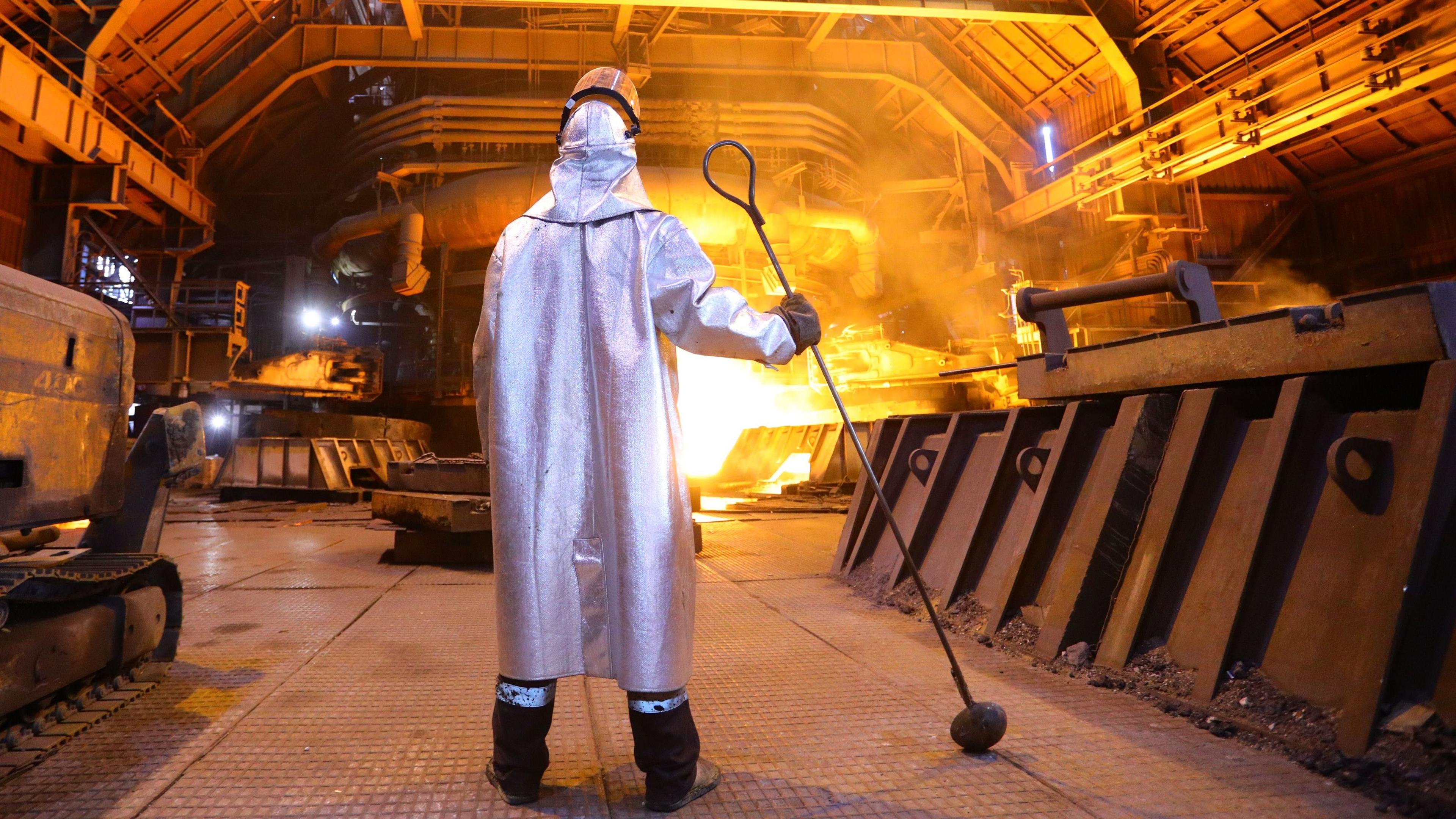
Contrastingly, reliance on industry has hindered growth in other major European economies, influenced by high energy costs and increased global competition. Even with inflation skyrocketing during 2022, effective government subsidies and policies to boost minimum wages have softened the blow, showcasing Spain's resilience against economic shocks.
Spain’s robust renewable energy sector enhances its economic stability, leading to increased investments, especially in electric vehicle production—an area ripe for growth. CEO Wayne Griffiths of Seat and Cupra emphasizes Spain's advantageous workforce and energy policies as critical to achieving success in this sector.
Despite these advancements, Spain's economy is not without its challenges. The country continues to grapple with a high unemployment rate, the highest in the EU. However, recent labor reforms aimed at promoting job stability have resulted in a decrease in the unemployment rate to 10.6%, the lowest since 2008, and a record employment figure of 22 million.
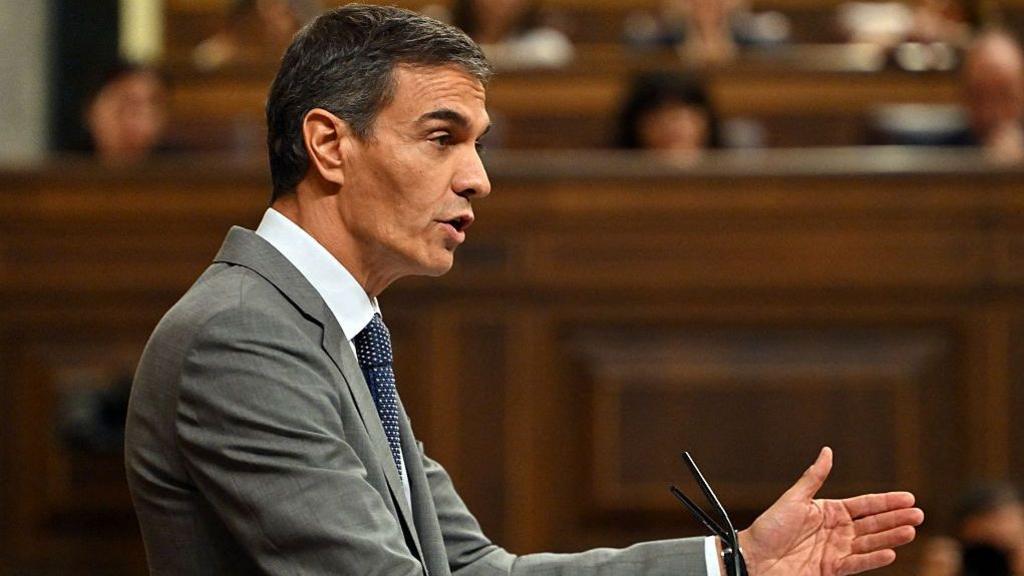
As Spain continues to embrace immigrant workers to address its aging population, Prime Minister Pedro Sánchez underscores their crucial economic contributions amidst a polarized political landscape. While experts foresee Spain maintaining its growth mission throughout 2025, concerns loom regarding over-dependence on tourism and a burgeoning public debt exceeding the national GDP.
The housing crisis adds a layer of complexity, affecting thousands of Spaniards caught in the struggle for affordable living spaces. As Sánchez's minority government works to alleviate these pressing issues, Spain concurrently celebrates its role as a pillar of European economic growth with a hopeful outlook toward the future.