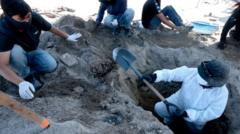
The Izaguirre Ranch in Jalisco, Mexico, once appeared deceptively ordinary with its prancing horses and scenic views. However, beneath its facade lies a chilling testament to the violence perpetrated by the New Generation Jalisco Cartel (CJNG). Early in March, a tip-off led activists searching for missing persons to this site, where they uncovered a horrific array of evidence including crematory ovens, human bone fragments, and hundreds of personal items like shoes and clothing, seemingly belonging to victims long gone.
Luz Toscano from the Buscadores Guerreros de Jalisco Collective expressed her horror, reciting how desperate families recognized the shoes of their missing relatives among the belongings found. The ranch, allegedly used for forced recruitment, torture, and incineration of cartel victims, had been raided by local police in September without revealing these horrific details.
State Governor Pablo Lemus confirmed that his administration is cooperating with federal authorities in their efforts to investigate this atrocity, asserting that "no one in Jalisco is washing their hands" of the situation. Mexican President Claudia Sheinbaum has also ordered federal jurisdiction over the investigation, emphasizing the importance of a thorough probe before jumping to conclusions about the local police's actions and alleged complicity with the cartel.
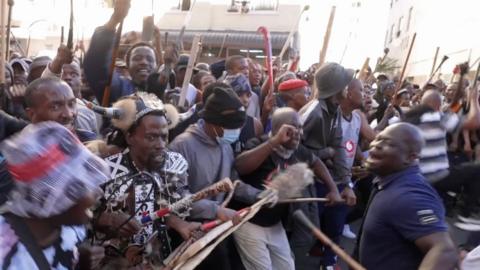
As police and forensics teams now swarm the ranch, the media is quick to label it an "extermination" site. Meanwhile, families of the missing, like Rosario Magaña, continue to seek answers in the face of bureaucratic obstacles. Rosario's son disappeared in 2017, leaving her in a prolonged struggle with authorities who, according to her, have been slow to act. As more family members rally in protests for action this weekend, the insufficient response of the state raises critical questions about the government's role in addressing cartel violence and the ongoing crisis of the missing in Mexico.