A year later, Air India Flight 171 investigation still shrouded in mystery
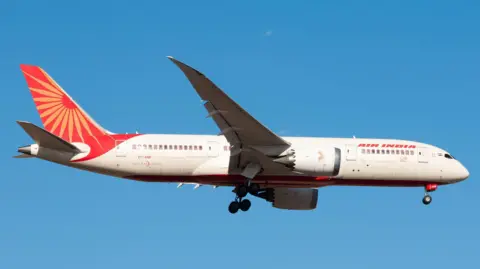
One year after the Boeing 787 Dreamliner crashed into a medical college campus moments after take‑off from Ahmedabad, investigators still cannot pinpoint exactly why the jet fell from the sky. Update released by the Aircraft Accident Investigation Bureau on the disaster’s anniversary offered no new clues, stating analysis of flight recorder data, aircraft systems, engine components and human factors remains underway.
A preliminary report published last July noted that seconds after take‑off the 12‑year‑old aircraft’s fuel‑control switches abruptly moved to the "cut‑off" position, starving the engines of fuel and triggering total power loss. The cockpit audio captured one pilot asking why the other had moved the switches, to which the reply was "I did not." Despite no identification of the voices, the exchange has fueled speculation of deliberate action.
Delays in the final report and competing hypotheses
John Cox, a former airline pilot, highlighted that ICAO rules allow extended investigation time. He stresses that precise timing of engine loss and switch movement is vital. Deliberate act by the captain has attracted criticism. A Canada‑based investigator has pointed out that the preliminary report suggests human action, not mechanical or electrical failure, but other experts argue the switches may reflect the crew’s response to a fault.
The investigation has stalled partly due to ongoing engine analysis. Dual‑engine failures are rare; airlines and investigators look for a common cause—fuel contamination, supply disruption or electrical faults—but none has yet been identified.
The Ram Air Turbine puzzle
The report says the RAT provided hydraulic power about five seconds after the fuel switches were cut off, but simulator data suggests a 14–18 second interval. If this is accurate, it implies the RAT only deployed after engines had already failed.
Could a major electrical fault explain the engine cut‑off?
Some safety campaigners propose that a post‑take‑off electrical fault caused a reboot of flight computers, misidentifying the aircraft as on the ground. This would trigger a protection system to cut fuel to both engines even though the physical switches had not moved.
Until the final report is released, speculation will continue to grow, potentially muddying the waters for investigators and eroding public trust.
For continued updates, follow BBC News India on Instagram, YouTube, Twitter, and Facebook.