In brief
El‑Obeid, a key Saudi city in Sudan’s North Kordofan, has become a refuge for more than 80,000 civilians fleeing fighting. As the Rapid Support Forces (RSF) close in, UN and humanitarian agencies warn of a possible massacre reminiscent of el‑Fasher. The city is under a functional siege, with food supplies dwindling and drone strikes damaging critical infrastructure. In response, the Sudanese government is reinforcing its perimeter and assisting aid convoys, but the situation remains perilously uncertain. International actors, including the EU and G7, urge a halt to arms and support to prevent further atrocities.
Displaced residents in Sudan’s el‑Obeid have again found themselves in danger as the paramilitary Rapid Support Forces (RSF) approach the city. The march threatens to turn the shelter that thousands have relied upon into the next theatre of violence.
The North Kordofan region, a strategic crossroads between RSF‑controlled western territories and the military‑held central area, has seen clashes intensify. Offensive drone strikes have continued, with the RSF launching record numbers in June, only easing in July when Sudanese forces launched retaliatory attacks elsewhere.
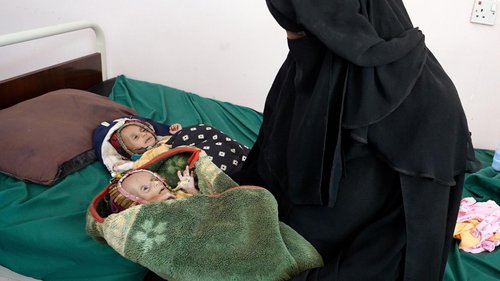
Satellite imagery shows that the main displacement camp in el‑Obeid has expanded dramatically since March, with more than 83,000 civilians now taking refuge. The UN’s International Organization for Migration (IOM) reports dozens of new arrivals daily, stretching the already stretched limits of water, food and shelter.
Afternoon rumours from the city have highlighted a “functional siege”: RSF commanders have been reported cutting supply routes, and drone strikes have demolished a fuel station, power stations and warehouses in the market district. Food shortages persist, with almost 400,000 residents reported to face acute scarcity.
The Sudanese military has begun constructing an earth wall around the city, a defensive measure distinct from the RSF’s 2018 siege wall. Meanwhile, the RSF’s leader, Mohamed Hamdan Dagalo (Hemedti), has ordered commanders to move forward, pledging “no retreat, no hesitation.”
International reaction has been swift. The EU, G7, and UN High Commissioner for Human Rights raised alarms that the massacre in el‑Fasher could recur. The EU has urged all actors to suspend armed or financial support for the conflict parties, naming the United Arab Emirates as a key backer of RSF. Critics question the efficacy of the pressure being applied.
Humanitarian agencies such as Islamic Relief report a challenging environment but note a slight improvement after the recent slowdown in drone strikes. Aid workers say fuel shortages remain the most pressing issue, though some power and water supplies have been restored.
In the midst of rising tension, locals report suspicion toward those who have recently sought shelter, fearing that RSF sympathisers might infiltrate the city. The high‑data image below shows RSF fighters stationed in nearby Nyala, poised to make their first move toward el‑Obeid, underscoring the immediacy of the threat.
RSF fighters stationed in Nyala, preparing to advance on el‑Obeid.
What comes next will determine the dark or hopeful chapters of this region’s conflict. Continued ceasefire pressure and humanitarian access remain essential to preventing a repeat of atrocities and to securing the safety of thousands whose lives hang in the balance.