In brief
Pre‑born twins Raghad and Raad, from a family of seven in Yemen’s Kahboub mountains, were left to survive amid escalating conflict. Their seven‑week journey on foot to Aden saw them grow frail and dehydrated, forcing a desperate emergency admission. Doctors diagnosed severe acute malnutrition, and the twins now share a single bed while receiving fortified milk they often cannot swallow. Their story highlights the broader crisis of children caught in war‑driven famines, where medical resources are scarce and hospitals can hold only a fraction of the patients in need.
The dawn of July’s seventh week brought twins Raghad and Raad into a world already set on fire. Born premature while the Houthi fighters surged through Yemen’s Kahboub mountains, they survived on blankets while bombs rained outside their modest home.
Forced to flee their village, the Hassan family of seven trudged for three days to reach Aden. Through dust and bitter cold, the twins grew thinner, vomiting and diarrhoea worsening with each step.
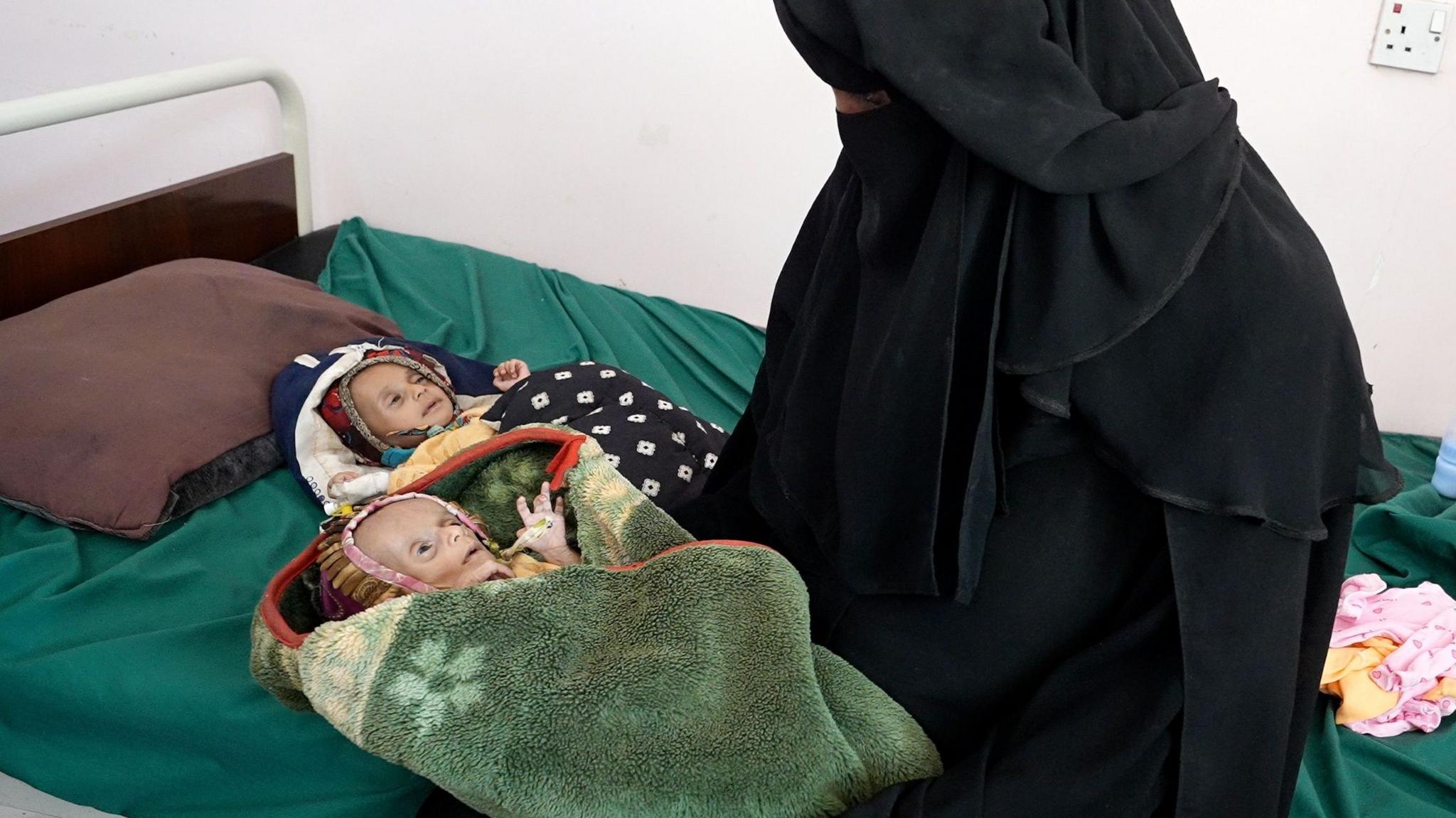
At al‑Sadaqah hospital the twins were barely clinging to life, their bodies reduced to skin and bone. A doctor shook his head at their wasting limbs, diagnosing severe acute malnutrition – a silent killer in war zones.
Lina, their mother, gave them sips of fortified milk but Raad could often not swallow it, while Aisha Ragab, a nurse who fled war herself, convinced the staff to share one bed between the twins, a gamble that might mean survival.
The unit can only admit thirteen patients at a time, even though it has twenty‑two beds, because of shortages in equipment, oxygen, and funding. Families who cannot afford proper nutrition or antibiotics often return within days of being discharged.
Bajash, their father and former shepherd, watches helplessly as his children—three older ones under five—linger on a bench in the hospital’s reception, sleeping on the street outside after being denied a place inside.
UN data show that more than 800,000 civilians have lost access to lifesaving aid and 250,000 are displaced as the conflict widens. Children, especially babies, face crushing risk of severe acute malnutrition and death.
The twins’ story carries a broader message: war’s devastation extends beyond the battlefield, seeding hunger and disease that threaten generations. Urgent international aid is essential to break the cycle of starvation that the Houthi‑government fighting has let flourish.