In brief
The European Union applauded Spain for its swift handling of a sudden wave of migrants who crossed into the city of Ceuta from Morocco, with estimates of 72,000 entrants and 70,000 subsequently returned. At least 75 people died in Spain and 11 in Morocco, prompting an urgent EU interior ministers’ meeting where Spain’s solidarity was upheld. Italy’s criticism and temporary suspension of Schengen checks on Spain were countered by EU officials who affirmed that the crisis exhausted no breach of the Schengen area. Spain’s government allocated €25 million for migrant support and is working with Morocco to prevent future incidents, while the EU offered emergency financial backing to reinforce border security. The incident, fueled by criminal networks and social‑media misinformation, sparked debate over the treatment of unaccompanied minors and the broader implications for European migration policy.
The European Union praised Spain for its swift response to a sudden surge of migrants that crossed into the autonomous city of Ceuta on the Moroccan coast. A European Union meeting of interior ministers on Tuesday saw Spain’s actions hailed amid criticism from Italy and several other member states.
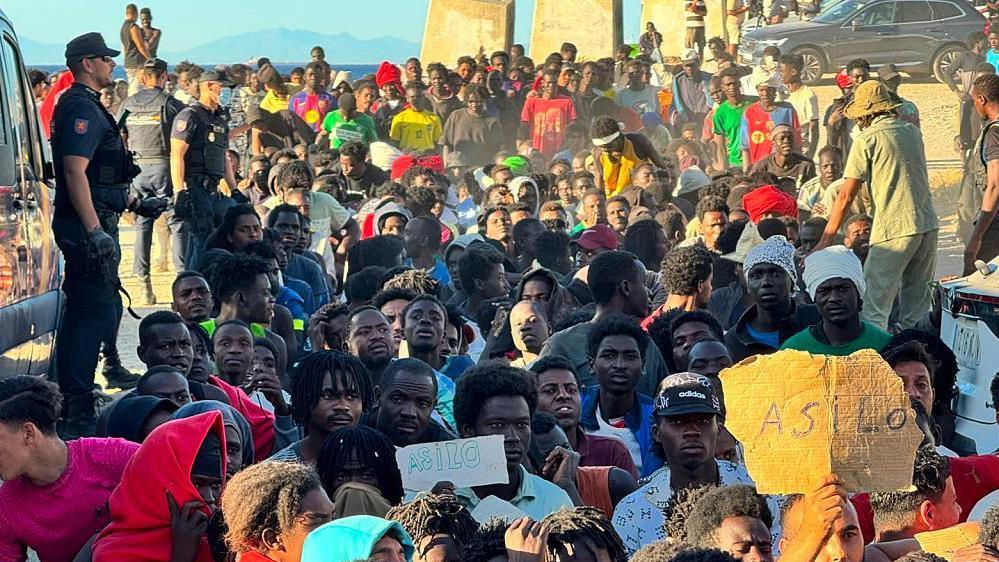
Spanish Interior Minister Fernando Grande‑Marlaska said roughly 72,000 migrants entered Ceuta between 30 and 31 July, with an estimated 70,000 subsequently returned to Morocco. More than 75 people died on the Spanish side of the border, while 11 more losses were reported in Morocco.
The meeting – called after images from Ceuta were described as “shocking” by Italy – saw the EU stand in solidarity with Spain, José Sala, the EU’s migration commissioner, stressing the need for a united European response. Italy had even suspended its Schengen‑zone agreement with Spain over the crisis, affecting only flights since the two countries share no land border.
Spain’s prime minister Pedro Sánchez responded that the crisis has not compromised the Schengen area, condemning the attacks as “driven by prejudice, fake news or political interest.” The interior minister also warned that any remaining migrants would be returned to Morocco promptly and that the rights of unaccompanied minors were being respected, with €25 million set aside for their assistance.
In the wake of the crisis, EU officials offered emergency financial support to reinforce Spain’s borders and manage the situation. The abrupt influx is believed to have been backed by criminal networks and misinformation on social media. The Supreme Court of Spain ruled that migrants stranded at sea were not to be forced back to Morocco, which drew warnings from Moroccan authorities.