In brief
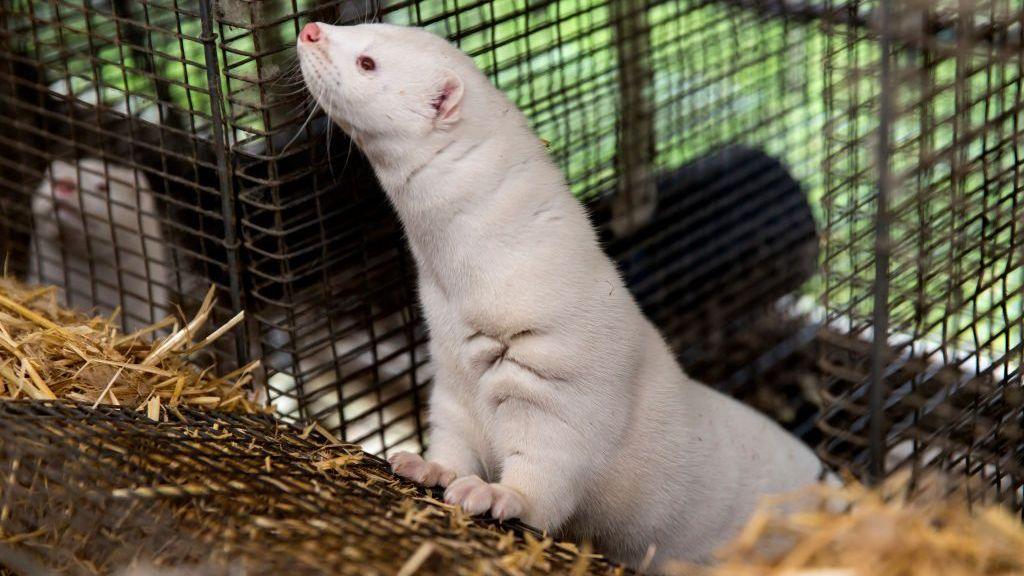
Denmark has decided to forgo an exemption to the EU‑wide ban on mink farming and will shut down all mink farms by August 2029, following a two‑year transition period. The move follows the 2020 cull of five million animals after a SARS‑CoV‑2 variant emerged, as well as the decline in fur demand. Politics and public opinion have pushed the government to prioritize animal welfare over industry traditions. The decision will likely curtail the country’s role as one of the few remaining European mink fur producers. Industry representatives are unsure of the financial impact, with estimates around 14 m DKK.
The Danish government has announced a complete ban on mink farming, effective 7 August 2029. The decision means that all existing mink farms will be phased out over a two‑year transition period, erasing a once‑booming industry that had made Denmark the world’s largest mink fur producer.
Mink farming faced mounting pressure from an EU‑wide ban that included the species as an invasive mammal. Denmark had previously sought an exemption, but the current coalition government opted instead for a clean exit, citing animal welfare, public sentiment, and the decline of the global fur market.
The backlash began in 2020 when authorities cull‑d 5.4 million mink after a SARS‑CoV‑2 variant was discovered in farms. The cull prompted criticism over legal authority and sparked debates about the ethics of fur production. That crisis, coupled with dwindling demand from China and Hong Kong, gradually eroded the industry’s relevance.
Christian Rabjerg Madsen, the Nature Minister, said, A business should not continue just because it has existed for a long time. It should also make sense for society, for the economy and for the animals. Social Democrat MP Brigitte Vind echoed this sentiment, calling the ban a milestone for animal welfare.
The Danish Mink Association has yet to comment, but industry insiders estimate the cost of shutting down the remaining seven farms to be around 14 million Danish krone (≈ £1.56 million), with final numbers potentially higher.
Fashion circles have long shunned natural fur, but the practice remains a contentious topic. While many designers have moved away from fur, recent years have seen a modest revival in vintage and faux‑fur garments, signalling a complex relationship between style and ethics.
With the ban, Denmark will no longer supply a significant portion of the world’s mink pelts, and the country may need to diversify its agricultural portfolio. The move underscores a broader European shift towards more humane and sustainable livestock practices.