In brief
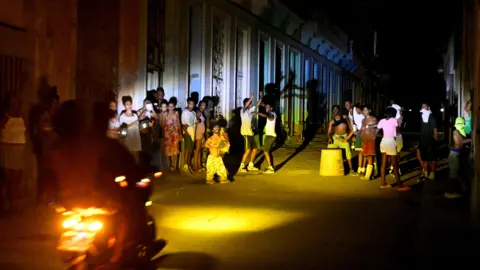
Cuba has been plunged into darkness again as the national electrical grid collapses for the second time this week, impacting more than 10 million people. The energy ministry reported a total disconnection, although efforts to restore power are underway. The country has been grappling with severe blackouts and a fuel blockade. Public dissent is rising as citizens express frustration over ongoing hardships.
Cuba has once again plunged into darkness, with the national electrical system collapsing for the second time in just one week. This latest blackout has left over 10 million residents without power, significantly impacting homes and businesses across the island.
The Cuban energy ministry confirmed via social media that a total disconnection of the National Electrical System has occurred. In response, the national grid operator, UNE, is in the process of restoring electricity, prioritizing essential services such as hospitals and water systems. By Sunday afternoon, reports indicated that power had been restored to about half of Havana.
This ongoing power crisis follows a series of major blackouts earlier this month, attributed to the US fuel blockade, which has severely limited oil imports necessary for operating power stations. Cuba's aging infrastructure is further contributing to the difficulties in power management.
Amid these challenges, a coalition of international socialist groups recently arrived in Havana, bringing aid that includes solar panels, food kits, and medicine to assist those affected by the crisis. A flotilla delivering aid from Mexico was initially delayed by rough seas but is expected to reach port shortly.
On Monday, public dissent became evident as citizens protested against the government, with reports of pot-banging demonstrations in central Havana and radical actions taken by groups in other parts of the country to voice their frustrations. Protests are typically forbidden in Cuba, with participants risking arrest.
In light of the ongoing crisis, local residents expressed their despair, with one stating, The circumstances are really bad, referencing the long-standing political and economic issues that have compounded over decades.
In terms of international relations, President Trump has made remarks about removing Cuba's leadership as part of negotiations related to the fuel blockade, indicating that tensions remain high between the two nations. Meanwhile, Cuban officials have firmly stated that the political system is non-negotiable and reiterated their commitment to maintain national sovereignty against external pressures.