In brief
Research shows that Gen Z, defined as those born 1997‑2012, prefers cold, customisable drinks over traditional coffee. Starbucks has capitalised, with over 70% of U.S. beverage sales coming from cold offerings. Social‑media‑led launches like the Unicorn Frappuccino have spurred footfall, while competitors such as Dunkin’ and McDonald’s follow suit. Analysts argue that the trend extends globally, with almost all young shoppers buying cold drinks year‑round.
Elaine Ling splits her time between New York and California, but when she needs coffee she shuns Starbucks for hot brews, preferring the chain’s wide range of cold drinks instead. “I don’t really like to go to Starbucks for coffee. I think their coffee is too sweet,” she says. “I’m more of a refresher girl when it comes to going to Starbucks.”
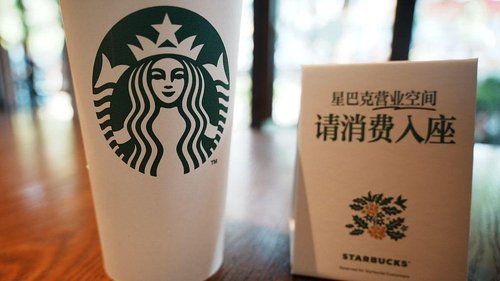
The trend is echoed nationwide. According to Euromonitor International, cold drinks—iced teas, protein shakes and so‑called “dirty sodas”—now make up roughly 75% of Starbucks’ menu. Younger customers are attracted by the ability to custom‑mix layers, colors and protein additions. Global analyst Tristan Höver notes that Gen Z values control and individuality, and is willing to pay a premium for drinks that feel special and functional.
Marketing expert Kelly Goldsmith likens the trend to luxury fashion, arguing that consumers pay more for what they see on the surface, not the ingredients. Social‑media amplification has been a key driver: Twitter‑popular Unicorn Frappuccino rose to 44% higher foot traffic during its three‑day TikTok‑only release.

Competing chains have followed suit, with Dunkin’ profiling protein‑boosted cold drinks and partnering with celebrities like Kylie Jenner to keep Gen Z’s eye. TikTok creator Natalie Ludwig praised the attempt, saying the campaign might cement Dunkin’s appeal to younger demographics.

UK and Canadian data point to the same pattern: under‑25 shoppers purchase cold drinks at a rate far exceeding that of older customers, with almost 80% buying them in summer and over 70% year‑round. Business professor Prof. Tirtha Dhar calls the sector a “sweet spot” for companies, attributing a boost in profitability to the personalisation points of foam, flavor and protein.
The shift to cold beverages has helped Starbucks recover from weak sales periods, forming a core part of its turnaround strategy. With cold drinks now a $70 million lift in U.S. sales, the chain will likely expand this portfolio further, appealing to a generation that values flavour, presentation, and the selfie‑ready experience.