In brief
The upcoming state election in Saxony‑Anhalt could mark the first time a far‑right party governs in Germany’s post‑war era. Alternative für Deutschland (AfD), led by Ulrich Siegmund, is targeting an outright majority, which would boost its ambitions for national influence and weaken Chancellor Merz’s hold on power. The party’s platform—featuring strict refugee segregation, anti‑LGBT measures, and a rollback of federal oversight—has sparked sharp controversy, with domestic intelligence labeling its local branch extremist. Should AfD secure a majority, it would force a reevaluation of Germany’s coalition‑firewall and signal a pivotal shift in German politics.
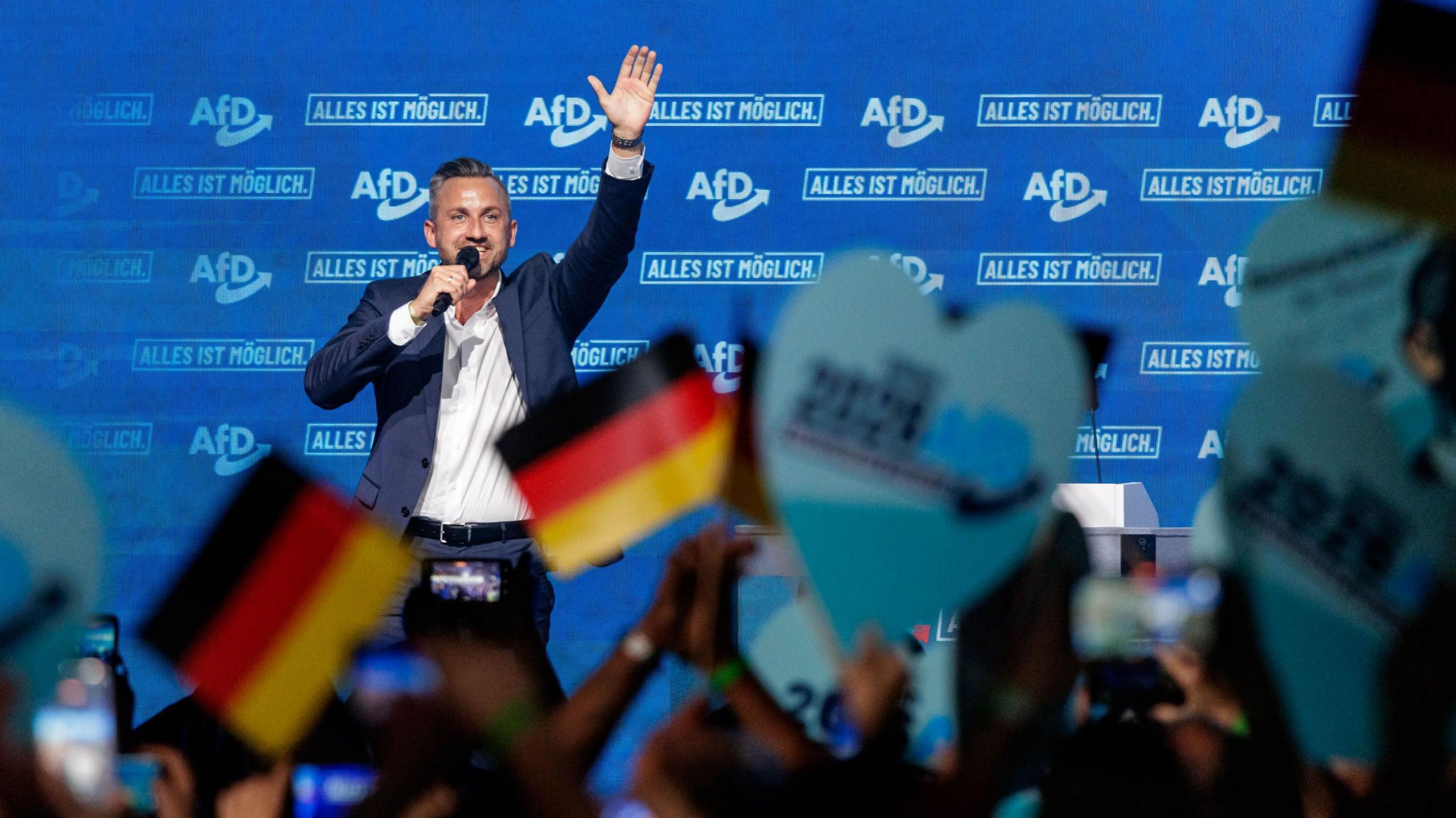
Germany’s breath is held in anticipation as the state of Saxony‑Anhalt prepares for a decisive election on July 26, 2026. The Alternative für Deutschland (AfD) party, long a fringe force, now seeks power for the first time in the country’s post‑war era.
If AfD were to win an outright majority in the regional parliament, it would transform its ambition for national influence and put a dent in Chancellor Friedrich Merz’s position. The far‑right’s current agenda—restricting refugee children to special classes, banning LGBTQ symbols from schools, and calling for tighter immigration controls—has stirred alarm across the political spectrum.
Domestic intelligence agencies have classified the local AfD branch in Saxony‑Anhalt as “right‑wing extremist”, citing a “racist ideology” that threatens constitutional order. AfD’s chief candidate, Ulrich Siegmund, dismisses this label as political propaganda while suggesting the party could change the state’s intelligence structure if it gained a majority.
The outcome will test Germany’s “firewall” (Brandmauer) that historically blocks far‑right parties from coalitions. A victory would force a reshuffle of the political calculus, as the AfD would no longer merely critique the federal government but could directly enact its policies.
Voters in the historically communist eastern region have grown frustrated with immigration, security concerns, economic strain, and energy costs. These grievances have stoked an appetite for the AfD’s nationalist narrative.
Beyond domestic policy, the election is being watched closely for Russian‑backed disinformation campaigns that seek to destabilise AfD rivals. Moscow’s remarks on the election mirror a broader strategic interest in reshaping German politics.
Ultimately, the Saxony‑Anhalt vote offers a microcosm of Germany’s broader struggle: balancing democratic values, economic realities, and a contested relationship with its own past.