In brief
Prime Minister Narendra Modi, traditionally known for scripted speeches, has begun posting casual reels on Instagram, addressing youth as “friends.” The move coincides with a surge in youth protests and a shift in the Bharatiya Janata Party’s social media strategy to reach Gen Z. While the party has experimented with memes, slang and pop‑culture references, many young users view the content as gimmicks rather than genuine engagement. Experts argue that winning elections remains tied to on‑ground organization, while the BJP learns to navigate an “irony‑driven” platform like Instagram. The unfolding digital experiment reflects broader questions about political messaging in the age of short‑form video and meme culture.
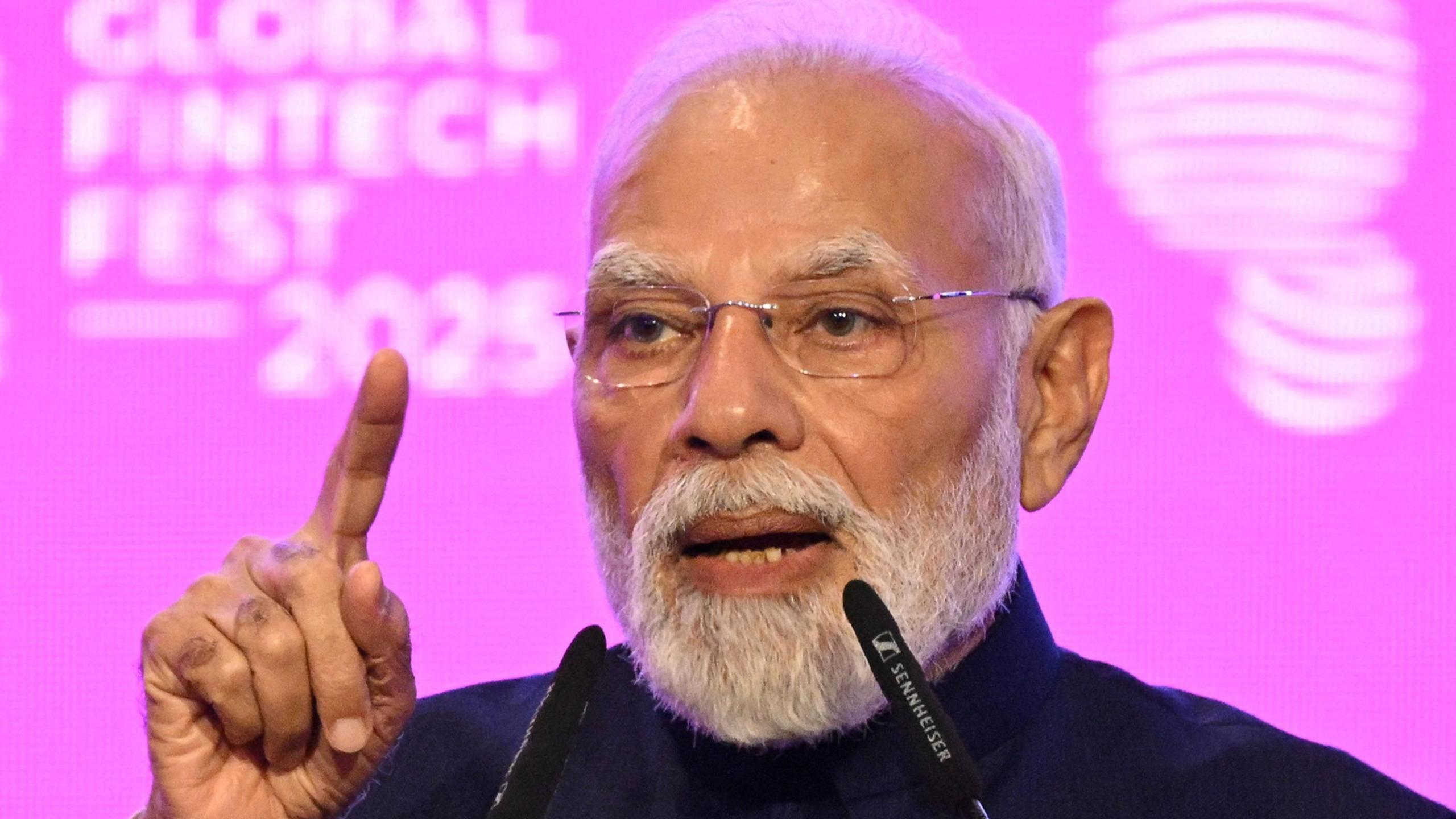
The 75‑year‑old Prime Minister Narendra Modi, long known for scripted speeches and solid‑stage appearances, has begun posting casual reels on Instagram, addressing India’s youth as “friends.” Twenty‑four‑hour video clips called “get‑ready‑with‑me” and selfie‑style talks are now regular on his feed, a stark contrast to the careful, staged posts that preceded them.
The shift came at the same time as widespread protests in India, led by the satirical Cockroach Janta Party. The movement’s use of memes, livestreams and reels—coupled with the BJP’s reliance on WhatsApp and X—showed that traditional social‑media tactics may not resonate with younger generations. 60 % of the Indian population is under 35, and Gen Z is projected to form a decisive voting block in 2029. Winning them requires more than polished speeches; it demands genuine, unfiltered presence on platforms like Instagram.
The first instance of Modi’s Instagram engagement surfaced in a reel in which he referenced the Gen Z mantra “first in my bloodline” while speaking to a graduation crowd in Delhi. The video rapidly inspired memes, edits and jokes. While some young users appreciated the outreach, many remained skeptical of the timing and perceived motive, voicing concerns over authenticity.
BJP’s social media pages have adopted more slang and pop‑culture, posting gym‑based reels arguing against protests and remixing the 90s sitcom Friends soundtrack for atheist appeal. Youth clarifies that these short videos are treated more as “comic content” rather than real political messaging. Amid the protests, the leader’s cabinet was instructed to increase social‑media engagement, with ministers receiving quarterly reports on their performance.
The party’s chief of digital media, who had served since 2015, has been replaced by a newer leader, reflecting the party’s awareness of challenges in controlling narrative on Instagram. Unlike X and WhatsApp, Instagram rewards emotional content that drives replays and shares; even accounts with small followings can accumulate millions of views. This reality creates a “challenge” for the BJP’s network‑centric strategy, with experts arguing that political messaging packaged as reels may still be trolled on the platform.
Yet few analysts downplay the BJP’s electoral strength. “Social‑media dominance and up‑vote algorithms win elections, not likes and shares,” says one commentator. Regardless, the party is learning to operate in new digital terrain, expanding into podcasts and influencer interviews. Whether Modi’s Gen Z reels reshape his public image remains unclear—what we do know is that this experiment reflects the broader struggle of Indian political parties to win over the nation’s socially‑digitized youth. View the reel.