In brief
China has announced a 360 billion yuan financing package for eight state-owned banks and insurers, totaling around $54bn. The move aims to boost credit for the real economy, shore up risk resistance, and enhance sound operating capacity in the face of trade friction, the Iran war, and demographic pressures. The package targets major lenders such as the Industrial and Commercial Bank, the Agricultural Bank and insurers like China Export & Credit Insurance Corporation. The policy comes as China’s GDP growth rate in Q2 slowed to 4.3%, below the newly set 4.5‑5% target for the year, highlighting the need for state‑led stimulus.
China one‑step closer to financial revitalisation
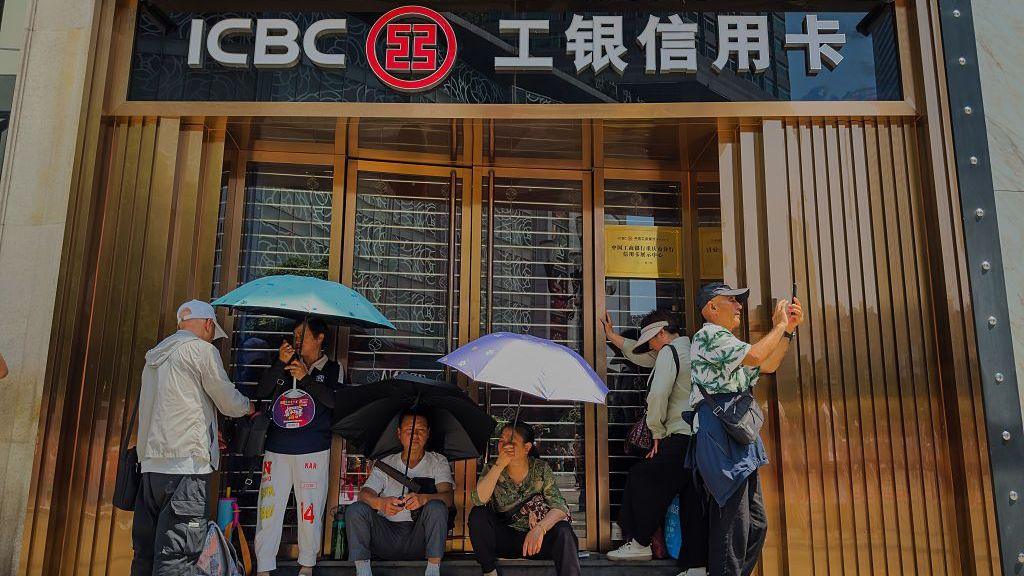
In a bold move to shore up its economy, China has committed 360 billion yuan (around $54bn) to improve the financial capacity of its largest state banks and insurers.
Key recipients include: the Industrial and Commercial Bank of China (ICBC), the Agricultural Bank of China (ABC), the China Construction Bank, the Bank of China, the China Merchants Bank, the China Export & Credit Insurance Corporation, the China Life Insurance and the China Pacific Insurance.
The policy will bolster the banks’ operating strength, risk‑resistance and willingness to lend to the real economy, the state media Xinhua announced on Sunday. The plan is part of Beijing’s efforts to counter trade friction, the impact of the Iran war on oil prices, an ageing populace and a prolonged property market slump.
President Xi has long argued that financial stability is essential to national security. The injection is intended to increase credit flows to businesses and households, thereby encouraging consumption and investment amid a global uncertainty that has dampened investor confidence.
Meanwhile China’s latest official GDP figures show a slowdown in the second quarter: a 4.3% growth rate, below the 4.5‑5% target set for 2026, and a drop from the 5.0% growth of the first quarter. Some analysts say the new growth target gives Beijing room to acknowledge the systemic weakness that has been building in the economy for years.