In brief
Ceuta’s mayor‑president, Juan Jesús Vivas, reports that between 3,000 and 5,000 migrants remain in the Spanish enclave after the recent surge of roughly 78,000 arrivals from Morocco. The tide brought 100 deaths, 4,860 children registered by volunteers, and sparked criticism of Spain’s handling of the crisis. The Spanish government has deployed armed forces and notified Madrid of the delay, while the EU Commission praised the swift response yet urged more resources. Meanwhile, Morocco blames a Supreme Court ruling, and the EU is considering leverage against further crossings.
Large numbers of migrants have crossed into Ceuta from Morocco in a sudden wave that left over 78,000 people on the Spanish coast; the enclave’s leader reports that between 3,000 and 5,000 remain there after a partial return.
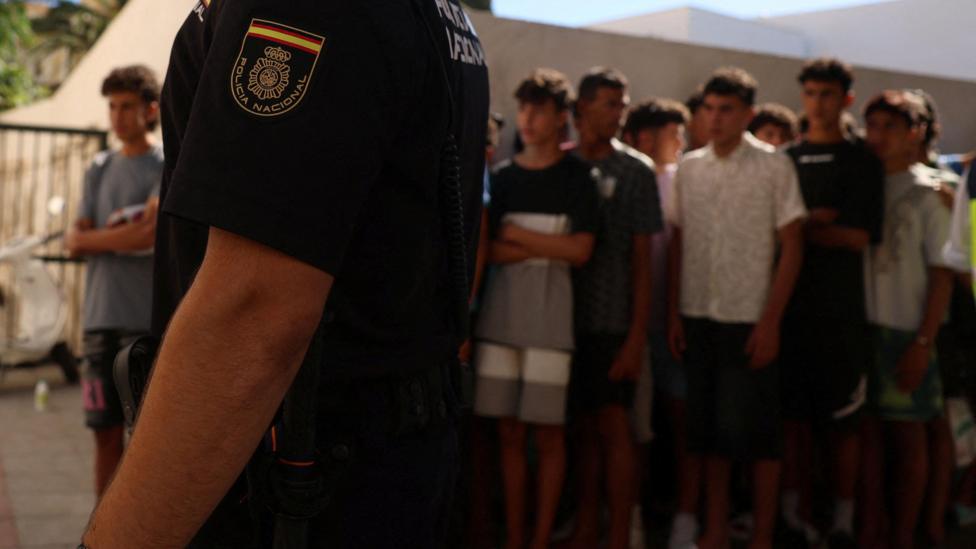
Juan Jesús Vivas, the mayor‑president of Ceuta, addressed the European Parliament with “profound sorrow” over the “irreparable tragedy” that claimed 100 lives in the short spill‑over of mainly unaccompanied children and young adults. Vivas said the problem remains a humanitarian emergency and a public‑order threat, noting that it would be “basically impossible” to send minors home without their consent.
The surge is believed to have been triggered by an alleged Supreme Court ruling that prevented beach‑to‑border rescue boats from summarily returning migrants to Morocco. Morocco attributes the collapse to Spain’s decision, while Mexican and French officials criticize the lack of coordination.
The Spanish government has deployed 25 million euros for child care in Ceuta and committed armed forces to the enclave. EU Commissioner Magnus Brunner applauded the Spanish response but urged the Commission to exercise leverage, including trade and visa policy, to secure cooperation from Morocco on future crossings.
Volunteer groups report that 4,860 children have been registered in Ceuta, a figure double the official estimate. Right‑wing officials in Ceuta and nearby Melilla have resisted taking children into the Spanish mainland and called for solidarity from Madrid.
The crisis has widened diplomatic tensions within the EU’s Schengen area, with Italy and Finland urging Spain to adopt border controls and the Czech Republic proposing a temporary suspension of Spain’s membership. Madrid maintains that Ceuta is not part of Schengen, but Brussels remains cautious about further mass migrations.
The situation remains volatile as local civil society and Spanish authorities work to manage the fallout from the mass influx while negotiating complicated regional dynamics over migration, sovereignty and humanitarian responsibilities.