In brief
Belgium’s most destructive summer wildfire has now doubled in size within 24 hours, exploding from 80 to 3,000 hectares over three days. Locals and officials report the fire bled across bogged moorland and forest, pushing out two villages. International help from Sweden and the Netherlands arrived as helicopters and water‑bombing aircraft supported hundreds of firefighters. The blaze was the largest in the country’s recent history, though no homes have yet been damaged. European heatwaves continue to spark forest fires across countries, reminding authorities of the severe climate risks.
A wildfire in Belgium’s largest nature reserve had a startling escalation by the end of Sunday, doubling in area from the previous day’s 850 hectares to an alarming 3,000 hectares in less than 24 hours. The High Fens, characterised by bog-like terrain and moorland, proved a challenging landscape for firefighters, hampering ground access and complicating efforts to contain the flames.
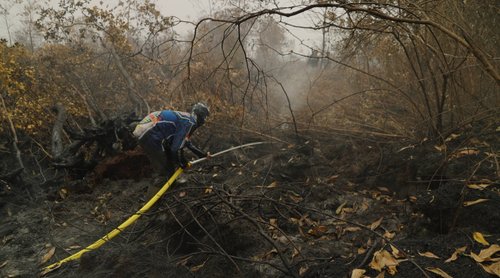
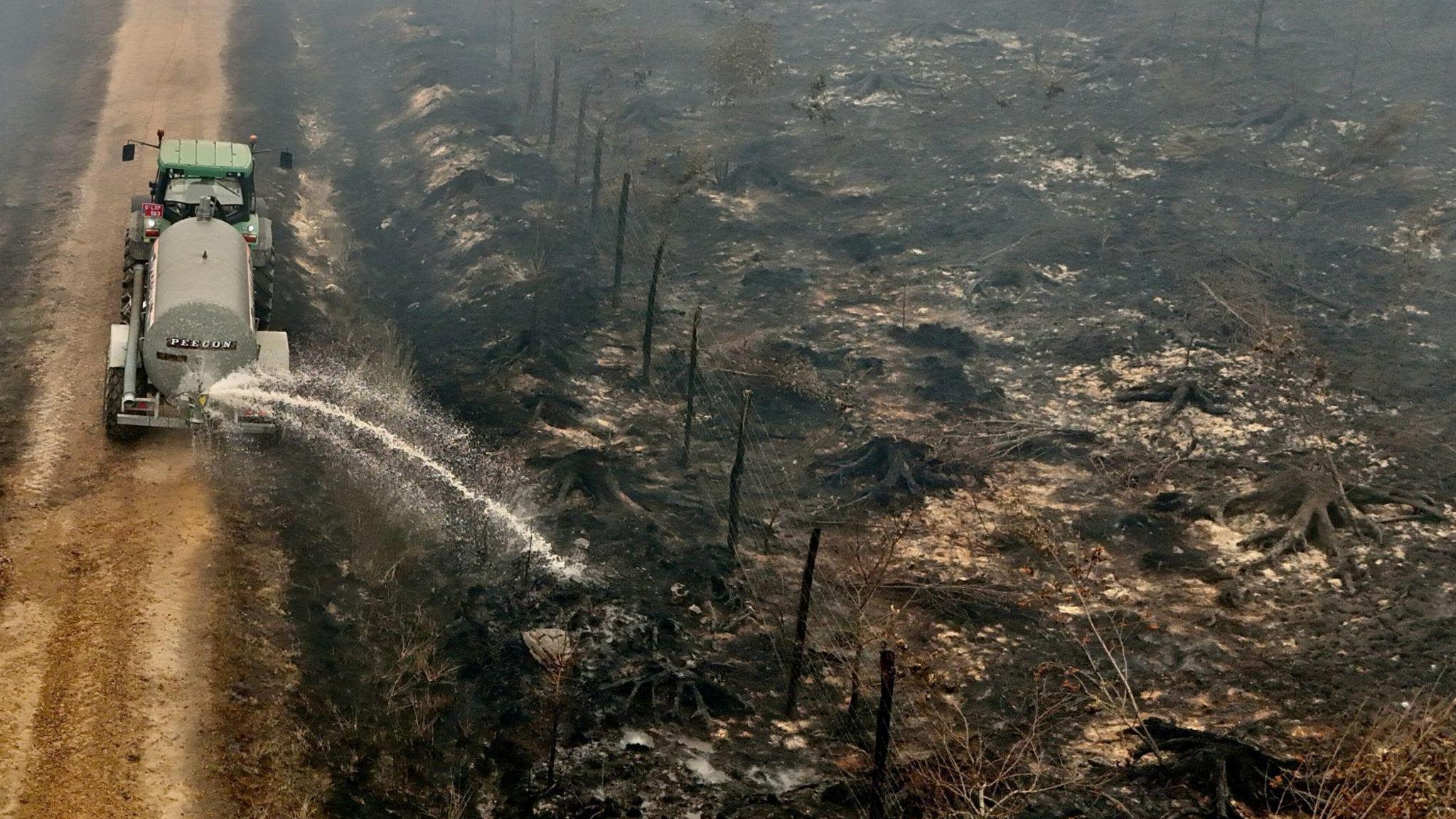
Hundreds of local firefighters have been working for over three days, aided by water‑bombing aircraft from Sweden and the Netherlands. Two Belgian and two Dutch helicopters were already on the scene before the foreign planes arrived in the afternoon. Local farmers pumped water tanks into the park to support the teams, showing a community united against the crisis.
The blaze forced the evacuation of two nearby villages; nevertheless, no residential structures have been affected so far. The interior minister confirmed that two fronts moving toward Jalhay and Monschau had been brought under control, yet the wet, fire‑prone terrain and intense heat continued to challenge containment.
This fire joins a series of European wildfires that surged across the continent during the record heatwave of summer. Flights from Greece, Croatia, Spain, and Serbia revealed further outbreaks, prompting widespread concern about the ongoing extreme weather.
The EU’s climate monitoring service recently confirmed that the July‑August period was the hottest seen in western Europe on record, reinforcing the link between climate change and increased fire risk. Authorities remain on alert as the situation evolves.