In brief
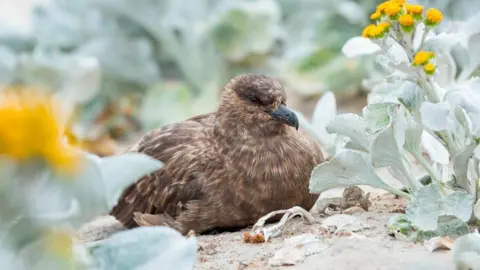
Australia has confirmed its first case of the highly contagious H5N1 bird flu strain, the disease now present on every continent. The infection was found in a brown skua on a beach near Esperance in Western Australia. Authorities are monitoring for signs of spread to other wildlife, including seals and penguins, following massive die-offs on Heard Island. Veterinary emergency teams are already in place to respond to any further outbreaks.
Australia has confirmed its first case of the highly contagious H5N1 bird flu strain, the disease now present on every continent.
The infection was found in a brown skua, a migratory seabird, on a beach at Cape Le Grand National Park near the town of Esperance, about 700 km south‑east of Perth.
Agriculture Minister Julie Collins said the bird had been found while beach‑cleaning crews were inspecting the area. She also mentioned a second suspected case involving a southern petrel, though she reported no evidence of mass mortalities at this time.
Wildlife authorities will check other animal populations, including seals, penguins and avian species, as the virus can spread rapidly among poultry and wild birds. An emergency animal disease committee convened on Saturday, with Chief Veterinary Officer Beth Cookson noting that preparation plans had been in place for an event like this.
Australia was previously the only continent without documented H5N1 cases. The same strain was discovered on the distant Heard and McDonald Islands in October last year, where a study this week found that more than 75% of a seal pup group had died since August.
Scientists suspect the virus reached these islands from migratory birds coming from the French‑owned Crozet Islands, located about 1,800 km away.
While H5N1 is mainly an avian disease, it occasionally affects other animals such as foxes, seals and otters, and very rarely humans, typically through contact with sick animals.
For more on the global implications of bird flu, see "Should I worry about a bird flu pandemic?" and "Bird flu kills more than 75% of baby seals on remote Australian island, study finds" on the BBC News website.