Background
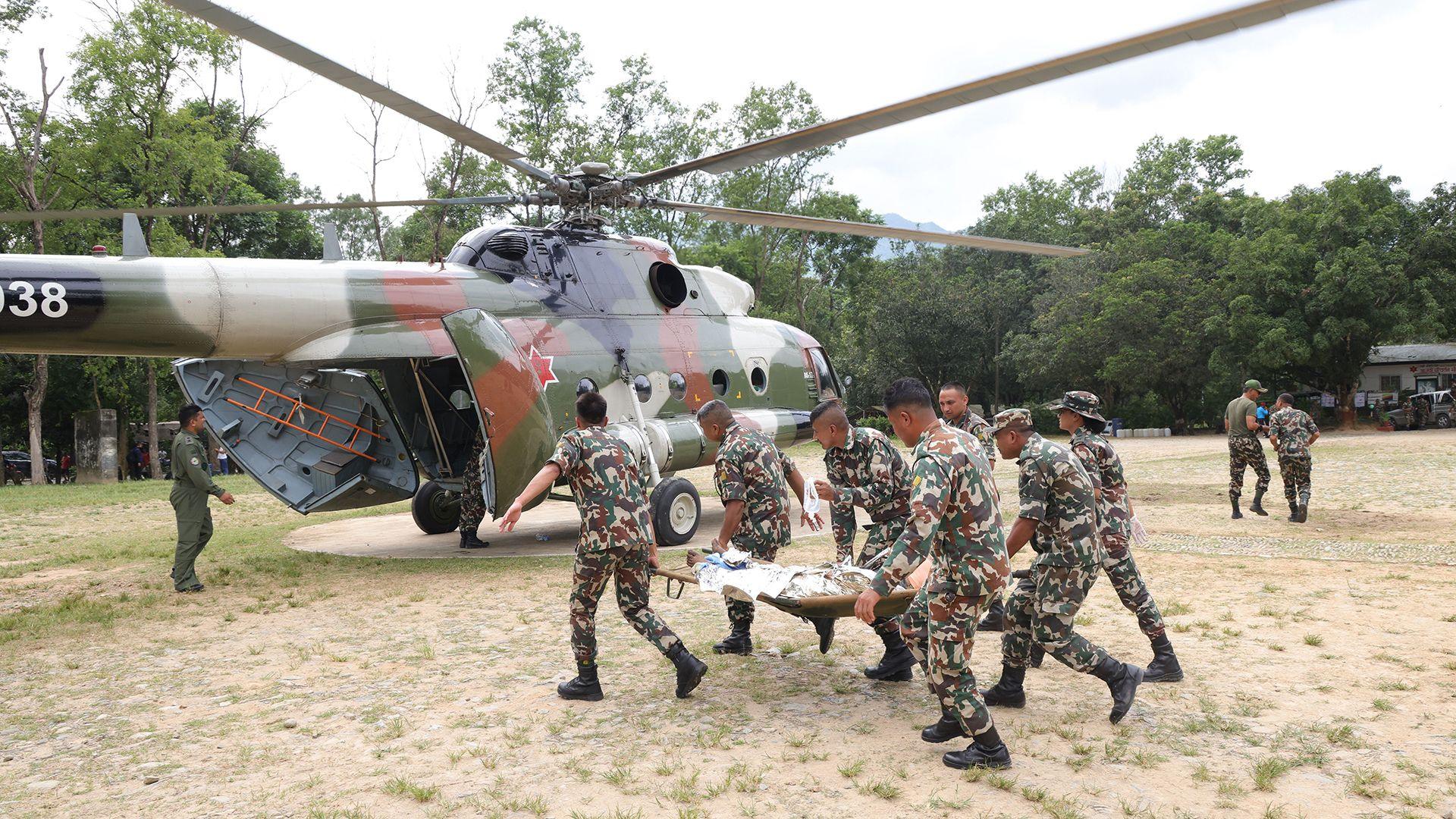
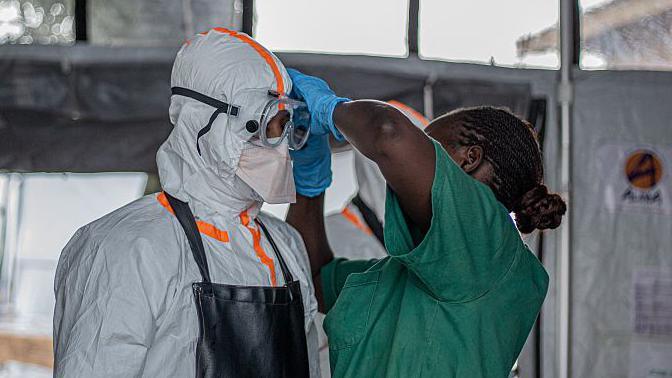
A High Court judge ruled in May that the construction of a 50‑bed Ebola isolation centre at a military base in Nanyuki should stop while a rights‑group case was heard. The facility was funded by the United States and was set to serve U.S. citizens who might have contracted Ebola in the outbreak in the Democratic Republic of Congo.
Minister’s Court Appearance
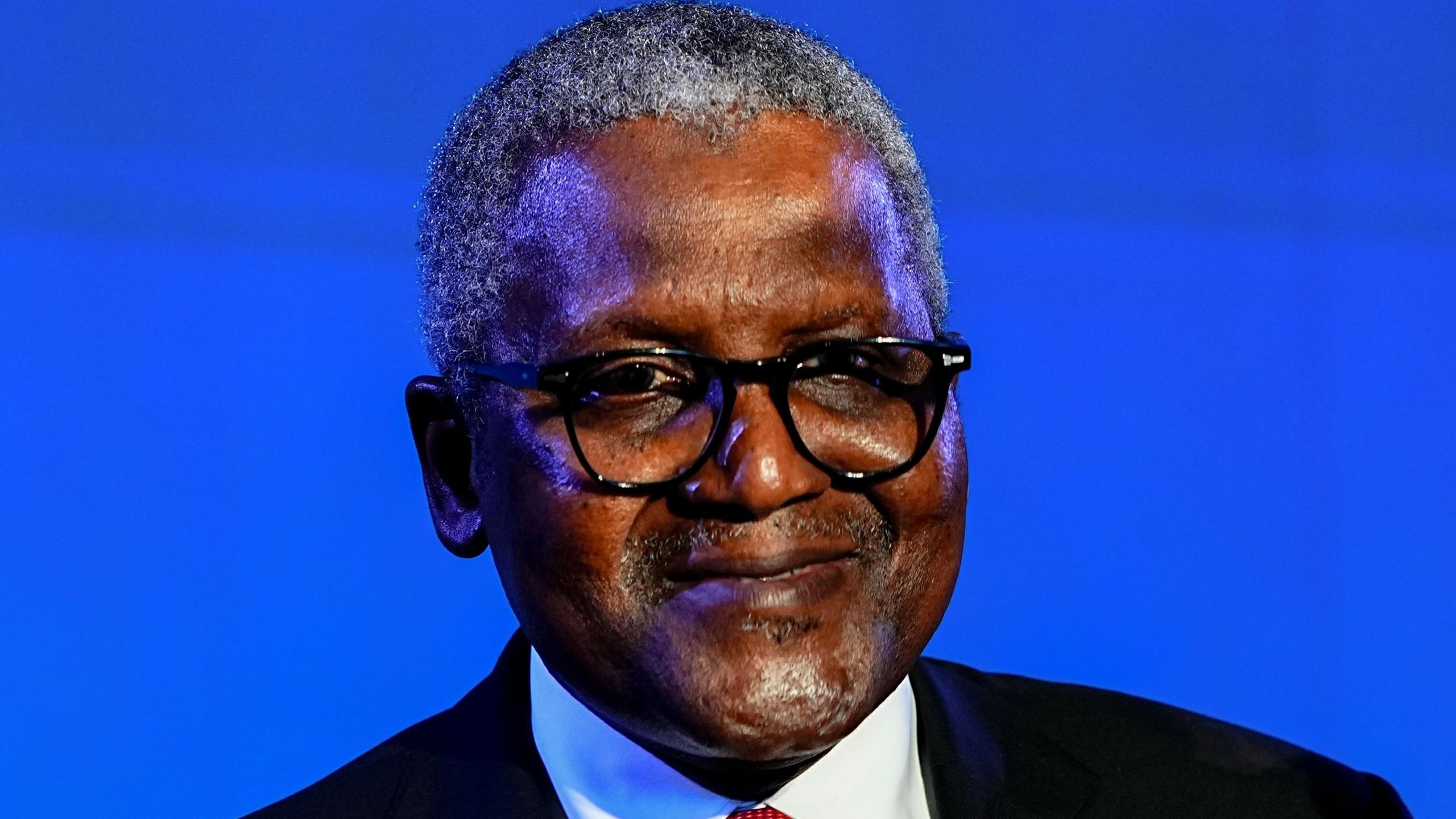
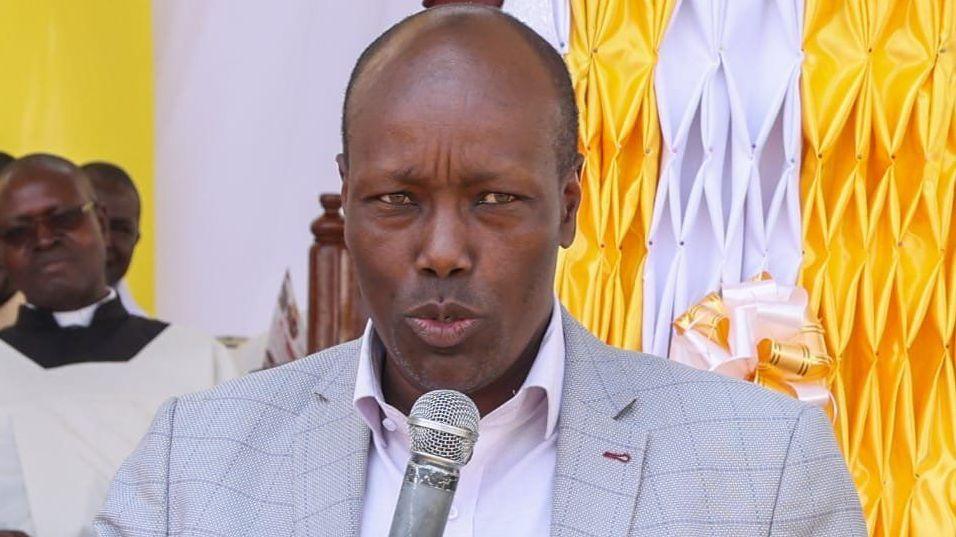
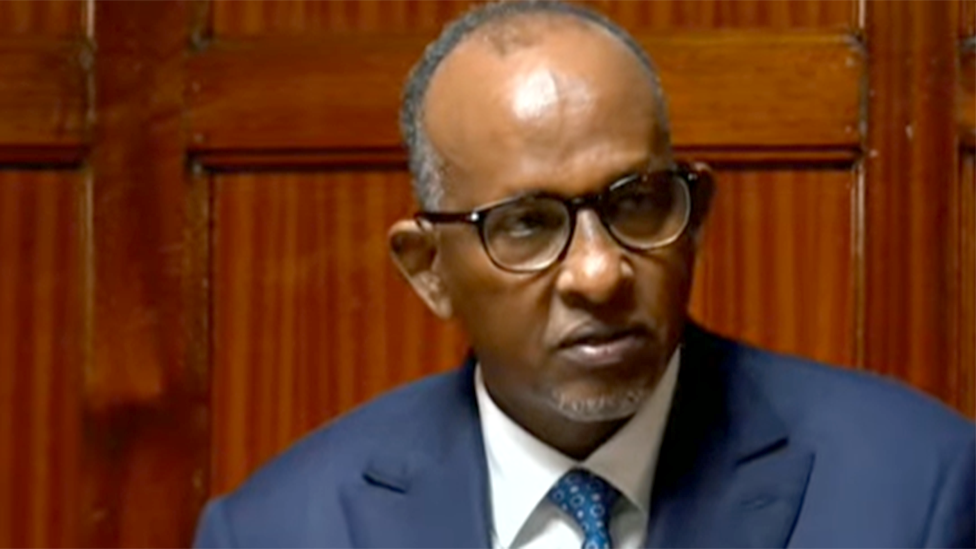
On Tuesday, Health Minister Aden Duale appeared in court, apologized, and declared the stopping of all building work at the site. He emphasized that his decision was based on scientific advice and strict access protocols.
Legal and Political Reactions
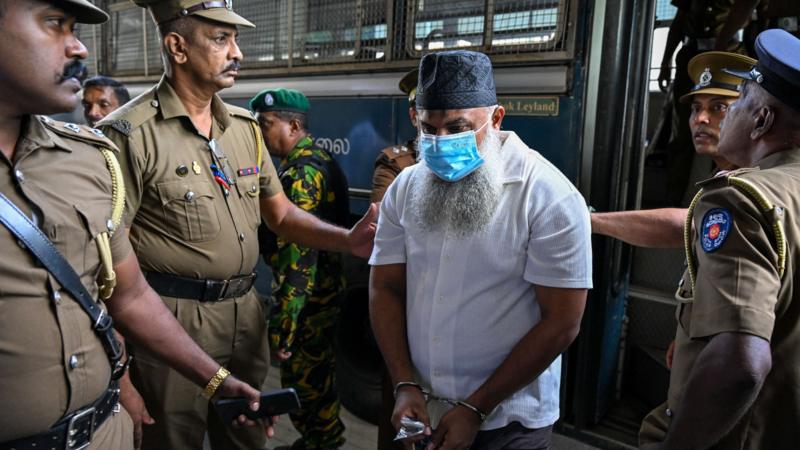
The judge dismissed Duale’s claim of compliance and warned that the minister was discharged with a stern warning. Lawyers demanded a custodial sentence for the minister’s contempt of court. President William Ruto defended the project, arguing that refusing the U.S. request would be “inhuman.”
Public Response
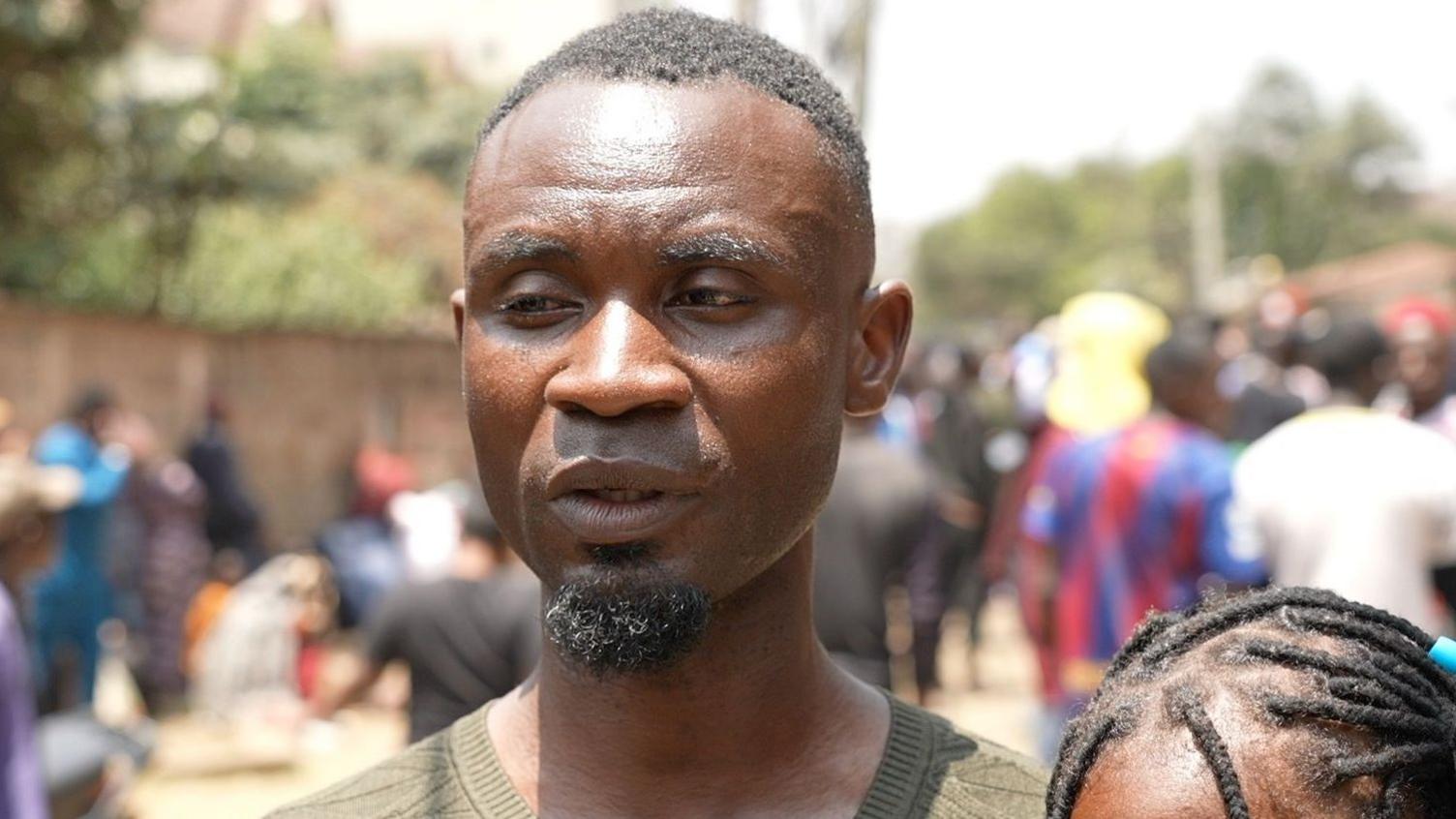
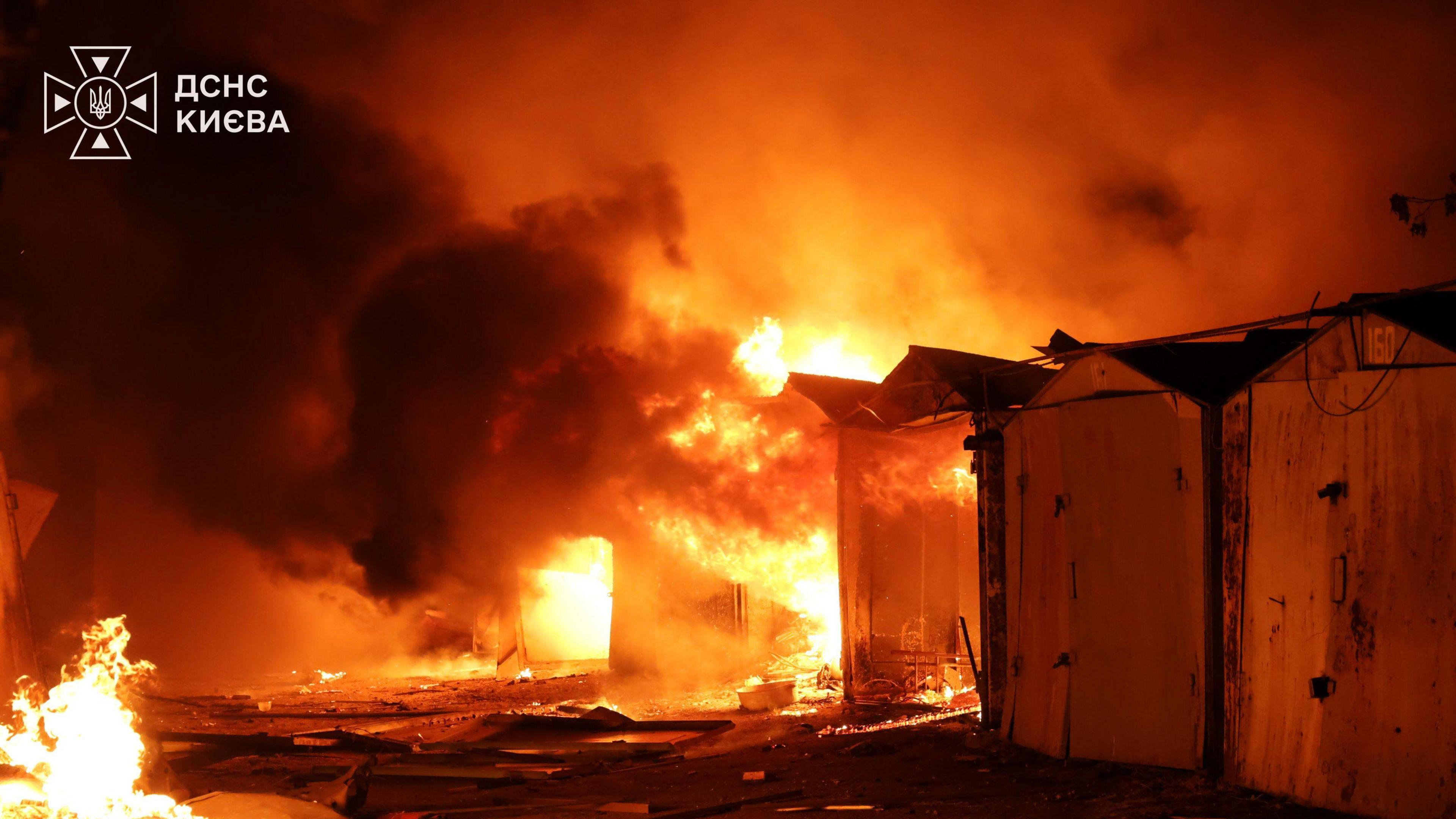
Local protests erupted in Nanyuki, where police used force that resulted in three deaths, including 17‑year‑old Sylvester Muigai Ndung’u, a schoolboy. Families and community members have called for clarity on the use of excessive force by security forces.
Moving Forward
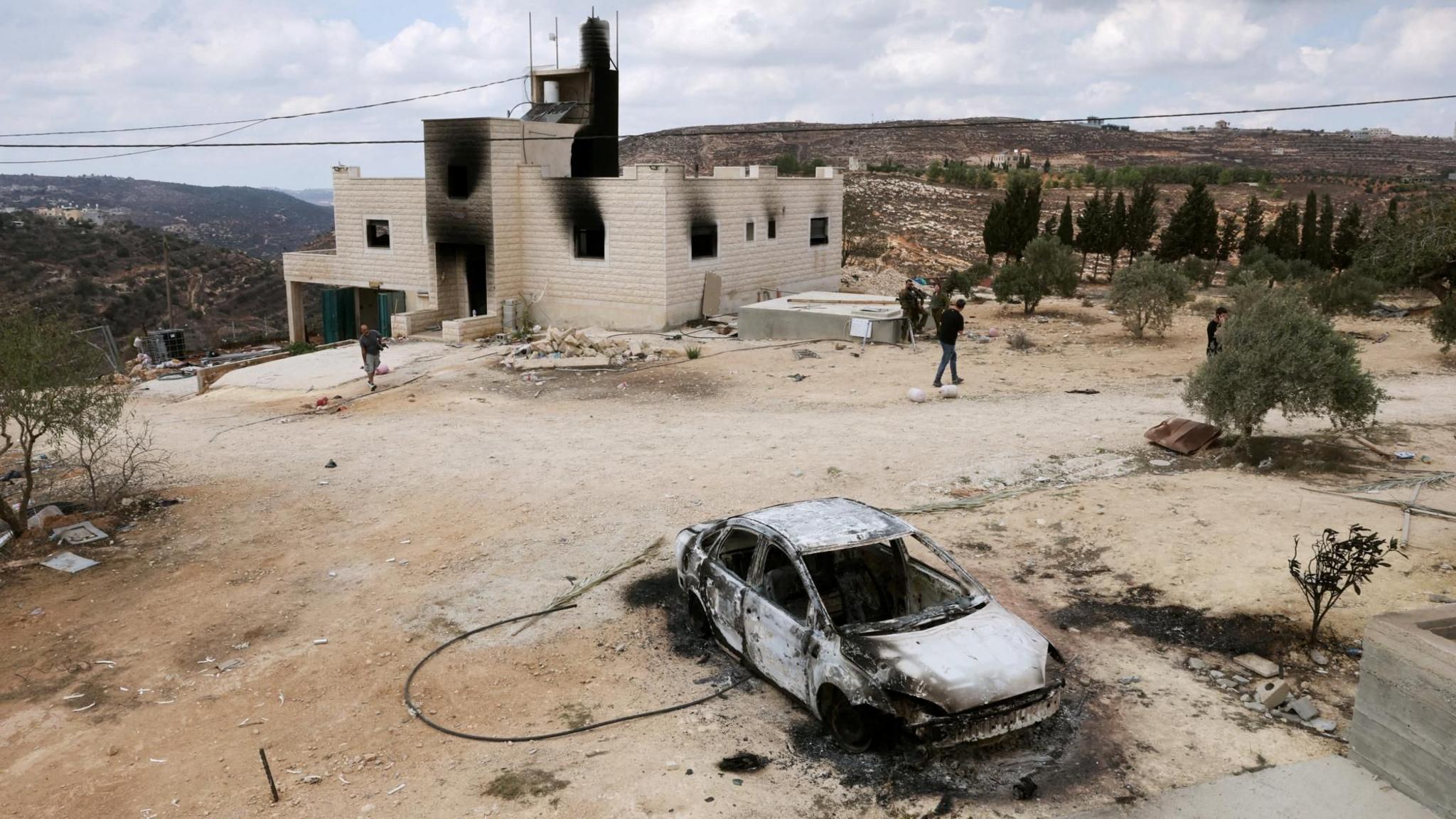
Satellite imagery indicates new tents and paved roads at the site, suggesting that the construction had not fully stopped before the court order. The U.S. pledged $13.5m in aid to Kenya’s Ebola preparedness, part of a larger $112m regional response package.
As the situation unfolds, the Kenyan government faces the challenge of balancing public health obligations with respecting judicial authority and addressing community fears over the Ebola facility’s location and purpose.