In brief
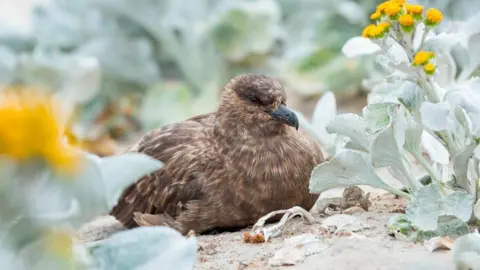
Australia’s agriculture ministry confirmed that the H5N1 strain of bird flu has been found in a brown skua on a beach in western Australia, completing the virus’s spread to all continents. The infected bird was located near Cape Le Grand National Park in Esperance, about 700 km southeast of Perth. Earlier this year, scientists recorded the virus on Heard and McDonald Islands, where it devastated baby seals and penguins. Officials are monitoring other wildlife, and a second suspected case involving a southern petrel has been reported. While human cases remain rare, the outbreak underscores the need for vigilant monitoring of poultry and wild bird populations.
A brown skua found dead on a remote beach in western Australia has tested positive for the H5N1 strain of bird flu, the country’s agriculture ministry announced, marking the first time the virus has been detected in the continent and confirming its presence on every continent.
The bird, discovered near Cape Le Grand National Park in Esperance, is the vessel that brought the virus down from the migratory routes that cross the southern Indian Ocean. Authorities said the skua was exhausted and showed signs of illness, and a second suspected case involved a southern petrel found on the same beach.
The H5N1 strain is known to spread rapidly among poultry and wild bird populations, although human infections remain uncommon. The Australian government is reviewing surveillance of other animals and has convened the emergency animal disease committee to evaluate the situation.
Scientists highlight that the virus was first detected on the remote Heard and McDonald Islands last year, causing the death of more than 75% of baby seals and significant losses in penguin populations. This new discovery raises concerns about the potential impact on domestic poultry farms and wildlife conservation efforts across the region.
Agriculture Minister Julie Collins emphasized that despite efforts to control bird flu, it is unlikely that Australia will remain free of the disease permanently. “We all knew we couldn't be bird flu‑free forever,” she told reporters, while officials pledged continued vigilance and rapid response plans to protect both human and animal health.