In brief
Australia’s southern forests are a frontline battle against extinction, with invasive predators, climate change and habitat loss driving millions of species to the brink. Amid this bleak landscape, the numbat – once on the IUCN Red List – has rebounded thanks to dedicated field surveys and breeding programs, becoming a glimmer of hope for the nation’s wildlife. Conservationists point to the numbat’s recovery as proof that focused, community‑led action can reverse decline, yet the country still faces fierce political and economic challenges that threaten further progress.
A national fight to keep species alive
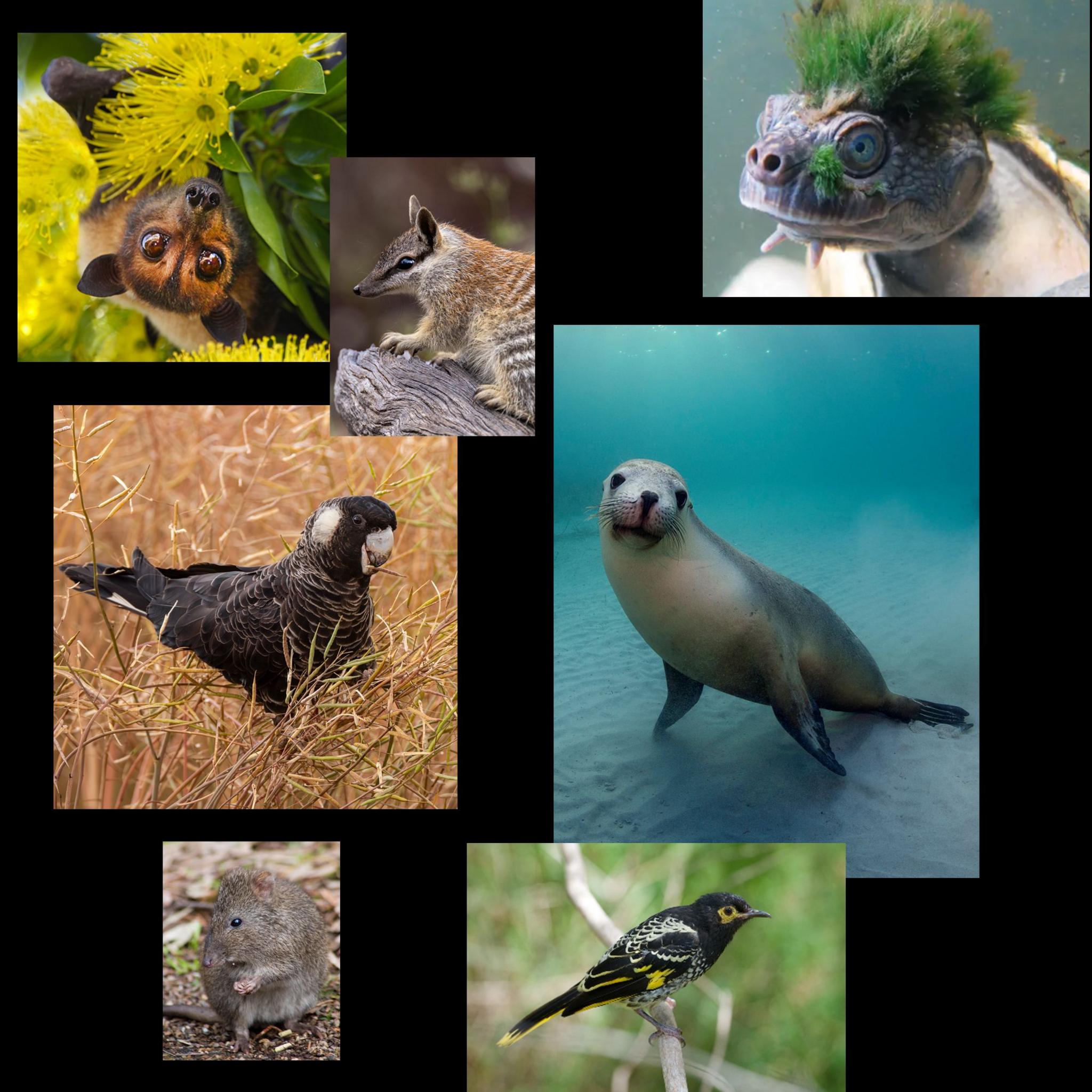
The western Australian bush stands as one of the few remaining refuges for the numbat, a small marsupial once common across the continent. In the dry months, teams lead a daily expedition along winding tracks, scanning the tops of logs and glimpsing between low scrub for the flicker of a numbat’s stripe or the slow movement of its tail. Each sighting is logged with GPS coordinates, road distance, and a complex formula used to estimate the population’s density and overall health.
For years the numbat suffered from feral predators, disease, and the loss of its habitat. But thanks to the relentless work of volunteers and researchers, the species was removed from the international Red List in 2024, moving into the near‑threatened category. In Dryandra Woodland alone the numbat numbers have increased ten‑fold, a testament to the power of targeted fieldwork and breeding programmes that release young into the wild.
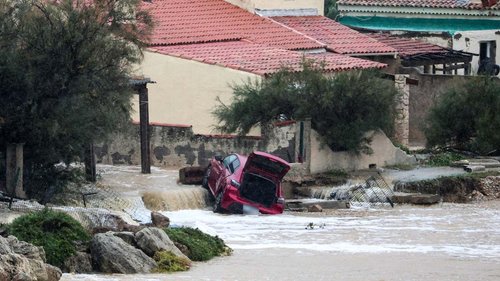
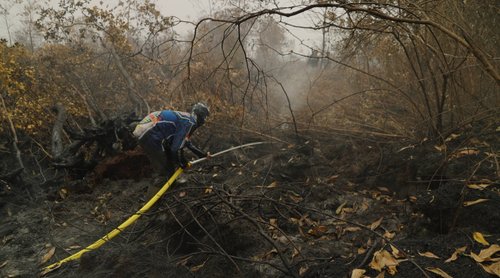
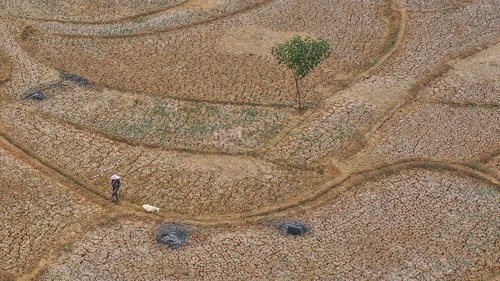
Australia’s biodiversity crisis is broader than just the numbat. Every decade, the country loses roughly four species, a figure that has only worsened. Threats include feral cats and foxes that kill billions of animals each year, invasive weeds choking natural bush, a chytrid fungus that has caused seven frog extinctions, and climate‑driven disasters such as the Black Summer fires of 2019‑20 and subsequent floods.
The government has pledged to stop new extinctions and halt biodiversity loss by 2030, with a new set of laws and environmental standards. However, experts argue that political will – not just policy – must energise enforcement and funding, especially when billions of dollars are subsidised for mining, intensive agriculture, and other activities that damage natural ecosystems.
Skeptics of large policy changes highlight the need for grassroots momentum. As one volunteer described, the work for the numbat is a “competition” among spotters, yet it is a vital heartbeat of Australia’s ecological future. While the species shows a bright, small win, the country’s many other threatened animals – from woylies to fuzzy flying foxes – remain at risk. Continued, coordinated action from local communities, scientists and governments is critical to keep these species from disappearing forever.