In brief
Logistical challenges forced Peru's electoral authorities to extend the voting period after many voters were unable to cast their ballots due to polling station issues. A preliminary count suggests a tight race, with candidates Keiko Fujimori and Rafael López Aliaga vying for the top two spots, likely leading to a run-off election. The president emphasized failures in the ballot delivery process, while the demand for effective governance against corruption and crime remains a focal point for the electorate.
Ballot Delivery Problems Impact Election
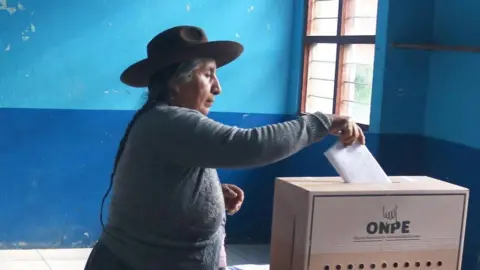
The results of the general election in Peru have been delayed after tens of thousands of people were unable to vote due to technical and logistical problems at several polling stations.
Electoral authorities granted a one-day extension to more than 50,000 voters who could not cast their ballots on Sunday. A preliminary count suggests conservative candidate Keiko Fujimori is slightly ahead of former Lima mayor Rafael López Aliaga, though all candidates remain below the 50% threshold required to win outright, making a subsequent run-off almost inevitable.
Voting issues were noted particularly in Lima and abroad, affecting voters in cities like Orlando and Paterson. The problems stemmed from polling stations opening late or not at all, with President José María Balcázar indicating that the delivery of voting materials was mishandled.
With over 27 million Peruvians called to vote, these elections are crucial not only for selecting a new president to follow Balcázar but also for filling congressional seats. The political landscape has been marred by corruption scandals leading to instability, making this election critical for restoring public trust.