In brief
The Aircraft Accident Investigation Bureau has confirmed that the preliminary stage of the Air India Boeing 787 crash investigation will finish in about six weeks, with a draft final report expected by October. The crash, which occurred on 12 June 2025 just seconds after take‑off from Ahmedabad, killed 260 people, including 241 on board and 19 on the ground. Investigators have completed 49 of 66 mandated steps, including wreckage recovery, flight‑recorder examination, and psychological autopsy of crew members. The bureau cautioned that media speculation about pilot involvement was causing witnesses to withdraw cooperation. The forthcoming report will clarify technical and human‑factor findings to provide closure to families and stakeholders.
India’s Aircraft Accident Investigation Bureau (AAIB) told the Supreme Court that it is still in the analysis phase of the investigation into the 2025 Air India Boeing 787 crash, and that a draft final report will be ready by October. The bureau has said the analysis will take roughly six weeks more to complete.
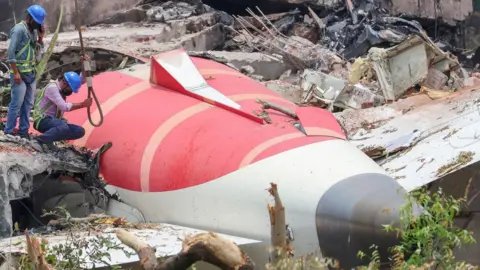
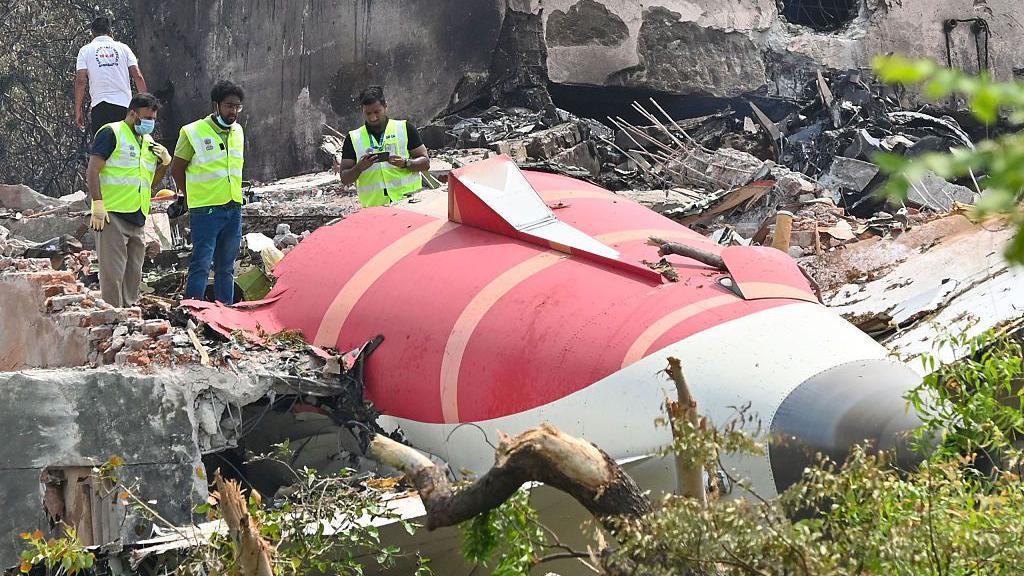
The tragedy unfolded on 12 June 2025, when Flight AI‑171 departed Ahmedabad heading for London and crashed just seconds after lift‑off, 6 km from the airport. The wreckage struck a doctors’ accommodation building at the nearby medical college, generating an explosion that killed 260 people – 241 passengers and crew, and 19 people on the ground. Only one passenger, Viswashkumar Ramesh, survived.
Since the crash, the AAIB launched a comprehensive investigation: it has examined the accident site, retrieved wreckage and flight recorders, reviewed crew medical and training records, and performed a psychological autopsy on at least one crew member. The bureau marked that 49 of the 66 mandated investigative steps have been taken, including a detailed transcript of the cockpit voice recorder.
In a preliminary report published a month after the crash, investigators noted that fuel‑control switches had abruptly moved to the “cut‑off” position, starving the engines of fuel and causing a total loss of power. Audio from the cockpit captured a pilot asking the other why the action was taken, to which the other replied he had not. The report did not identify which pilot made either statement, sparking speculation about pilot involvement. The AAIB has said it is faced with the very real risk that such speculation can inhibit witnesses from cooperating.
The court affidavit also mentioned the preparation of the psychological autopsy report, which the bureau had received. It warns that media narratives attributing blame to the pilots have caused “some witnesses to become restrictive and non‑responsive.” This has led to criticism from the senior pilot’s family, pilots’ associations, and the AAIB itself.
Families, aviation professionals and regulators are awaiting the draft final report, hoping that it will detail the exact causes, indicate system failures, and guide changes to prevent similar tragedies in the future.