In brief
San Francisco’s housing market is being reshaped as high‑earning AI workers use stock options to buy homes, sending prices higher than ever. A three‑bedroom apartment in the Duboce Triangle was listed for almost $3m and was ultimately sold for $3.2m thanks to an all‑cash offer that made use of OpenAI shares. Redfin data shows the median price in the city rose 19% last year and continues to climb, now sitting at $1.76m. The trend is not limited to luxury properties; sales across the market are booming, with bidding wars pushing prices well above asking. While the influx of AI wealth is lifting the market, it also forces many families to move out as affordability erodes.
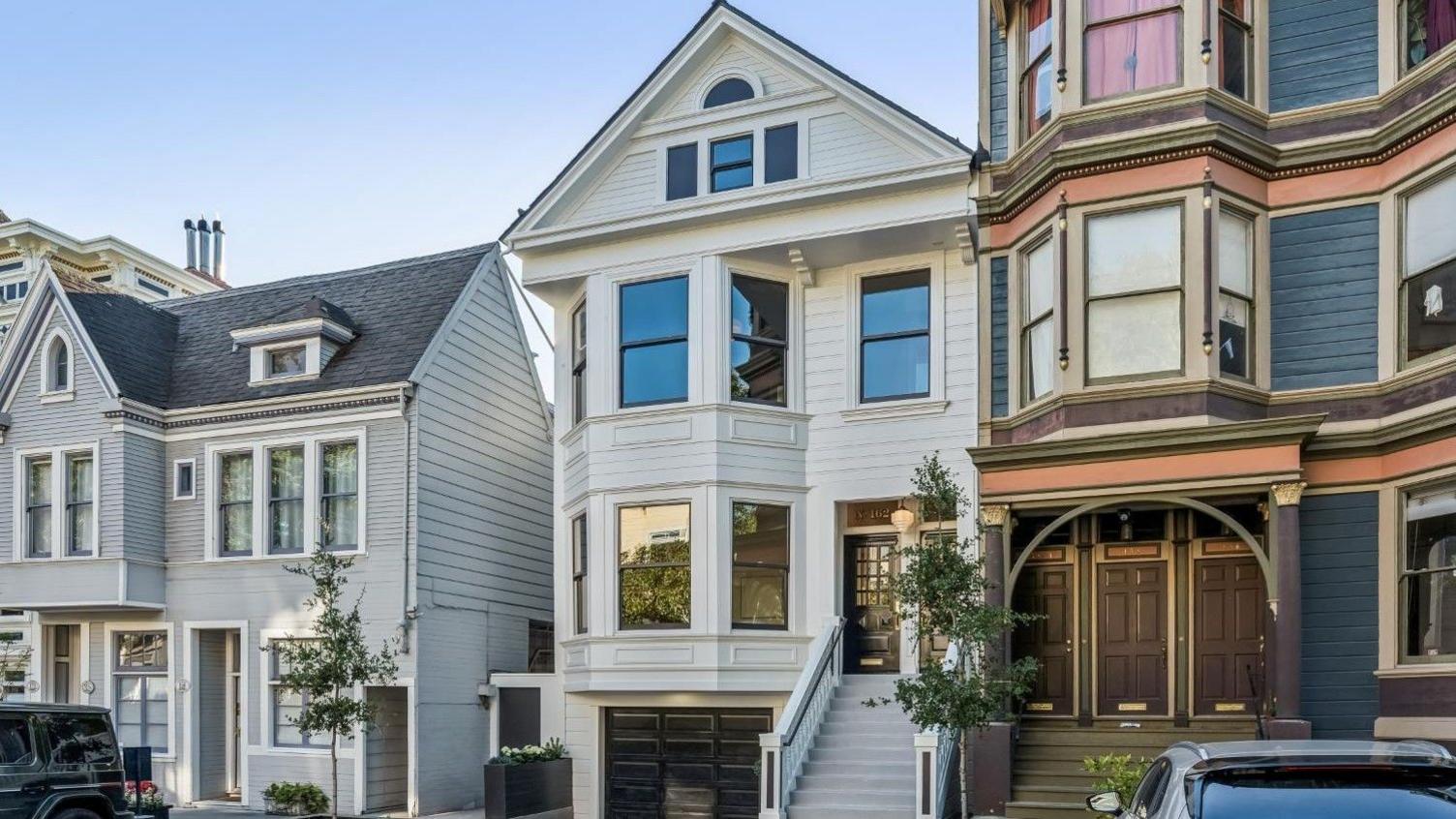
A three‑bedroom apartment in San Francisco’s Duboce Triangle was listed for almost three million pounds, but the seller accepted a payment in the form of stock from OpenAI, a move that ignited a bidding war that climaxed at $3.2m.
AI workers now hold more wealth than ever, using limited stock sales that can be cashed in at a fraction of their value to purchase property. In the last two months, more than 600 OpenAI employees have sold shares worth $6.6 bn, an average of $11 m per trade, while Anthropic is also allowing staff to sell $6 bn in shares.
Redfin data shows that San Francisco is now the most expensive city for home buyers in the United States, with the median sale price at $1.76 m. Prices in the city have risen 14.5% in April and 14.1% in May, a steep rise that has not been mirrored elsewhere.
“People are flush with cash and ready to buy,” says Daryl Fairweather, chief economist at Redfin, noting that most tech salaries now come with enormous signing bonuses that can be partly taken out in the form of shares. The influx of AI money has revitalised the market after the pandemic downturn, pushing sales faster than ever and turning all‑cash purchases into the norm, especially on the upper end of the market.
Real‑estate agents describe bidding wars that push prices millions above asking. “All cash purchases are surging,” says Matthew Goulden, a veteran agent who first saw the uptick in prospective buyers last year. The market is inflating across all types of homes, from single‑family houses to one‑bedroom flats, but it is most pronounced in desirable neighbourhoods.
While the benefits of AI wealth are clear, they put pressure on families without that source of income. Two families in San Francisco with school‑aged children experienced different outcomes: one’s parent, an OpenAI employee, sold shares to purchase a single‑family home in a family‑friendly neighbourhood; the other family had to move to a suburban Bay Area town and rely on a mortgage.
Despite the hype, scholars caution that the boom may not last. Enrico Moretti, a professor at UC Berkeley, notes that employment levels are rising but remain below pre‑pandemic levels and that tech layoffs and a shift to less specialised roles could dampen demand. He also points out that much of the wealth from open‑market raises will go to global investors rather than to local workers.
The ripple effects are already visible in policy debates, with San Francisco’s mayor pushing for pro‑growth zoning changes to build new housing and curb the affordability crisis. Yet the current demand, driven by AI workers and stock options, shows no sign of abating.