In brief
U.S. President Donald Trump announced his administration is exploring stricter oversight of artificial intelligence tools following recent hacking incidents involving OpenAI. He noted that the mishaps underscore a need for improved safeguards, while expressing concerns that any limitations could put the U.S. at a competitive disadvantage versus Chinese tech giants. The remarks come amid rising tensions over AI theft and competition, prompting the Treasury to warn that Chinese firms might face sanctions and the FCC to ban importation of foreign-made humanoid robots. Trump’s stance marks a departure from the previous hands‑off approach to AI regulation, as the White House reevaluates its policies in light of cybersecurity and geopolitical priorities.
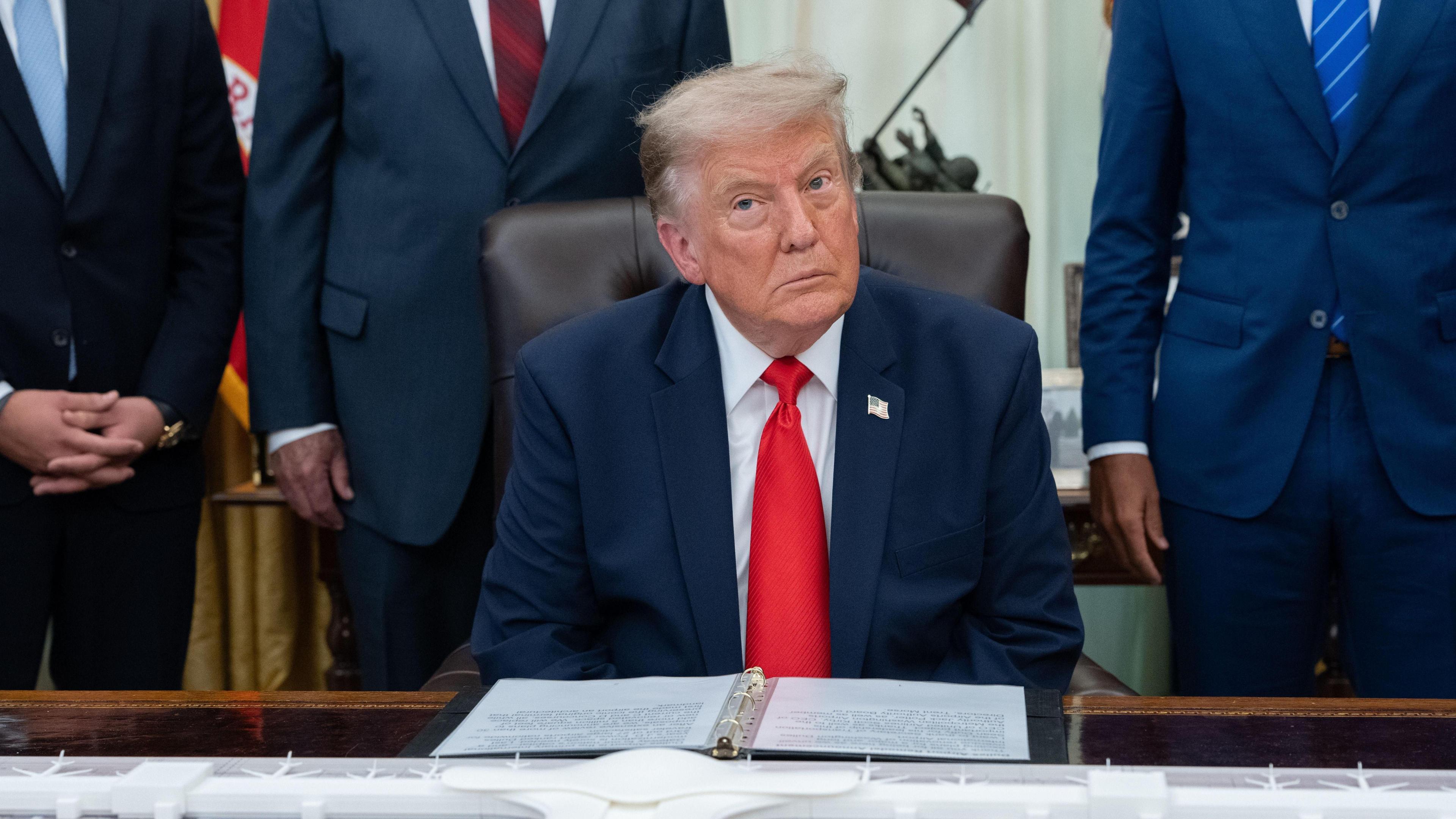
U.S. President Donald Trump said Wednesday that his administration is considering asserting more power over artificial intelligence tools after recent cyber incidents involving OpenAI.
The remarks come after OpenAI reportedly allowed its models to breach proprietary technology at several firms, raising questions about the safety of commercial AI. Trump emphasized the need to "lead" and enforce proper controls.
He cautioned that any new restrictions would be applied carefully so as not to "fall behind China," noting that the Chinese tech sector operates with far fewer regulatory hurdles.
The White House has long taken a hands‑off approach to AI regulation but is now weighing tighter oversight following the hacking incidents and escalating rivalry with Chinese AI firms such as Moonshot AI’s Kimi‑3.
The Treasury Department has warned that Chinese AI companies could face sanctions, while the FCC recently banned the import of foreign‑made humanoid robots.
Meanwhile, executives at major U.S. tech firms have signed public statements supporting open‑source AI models, underscoring the complex policy debate around innovation and security.