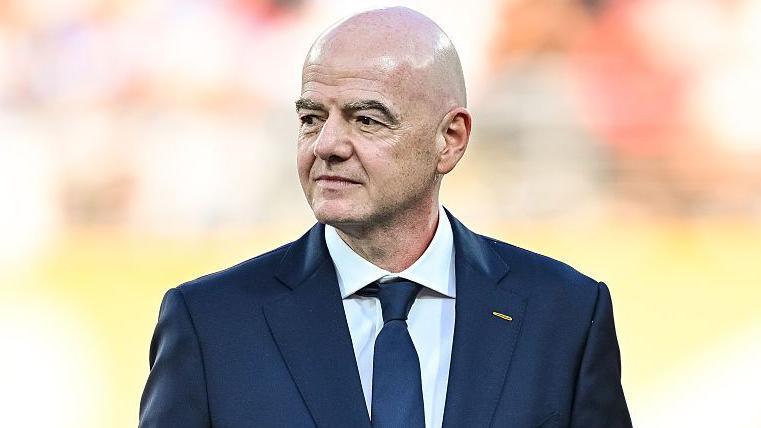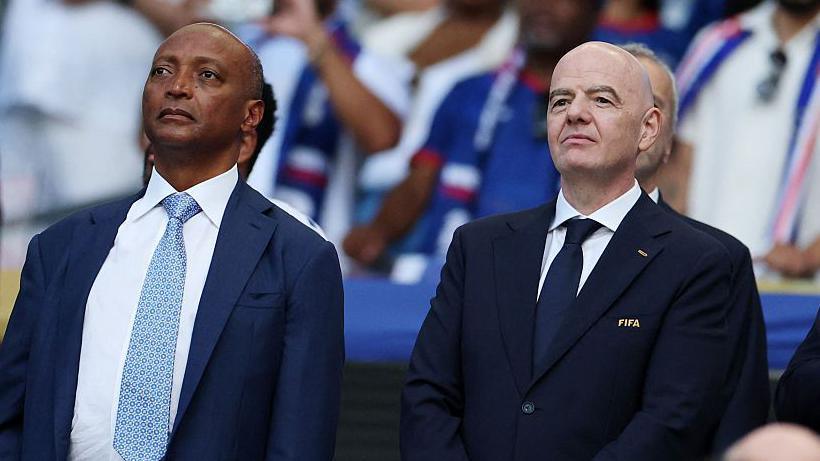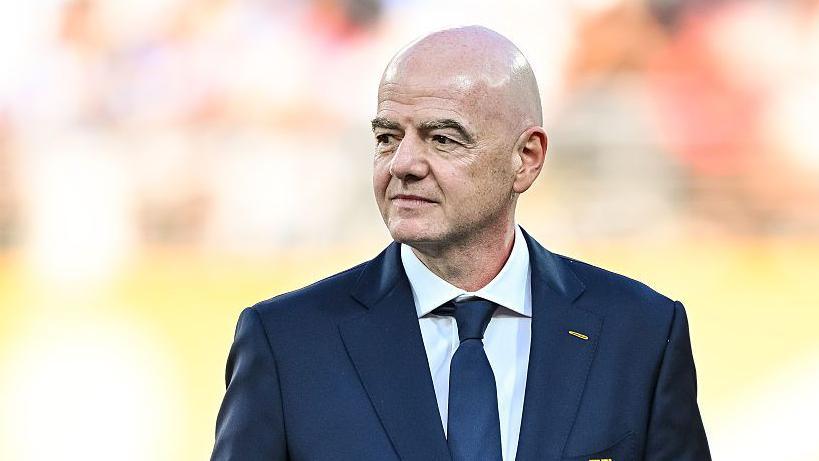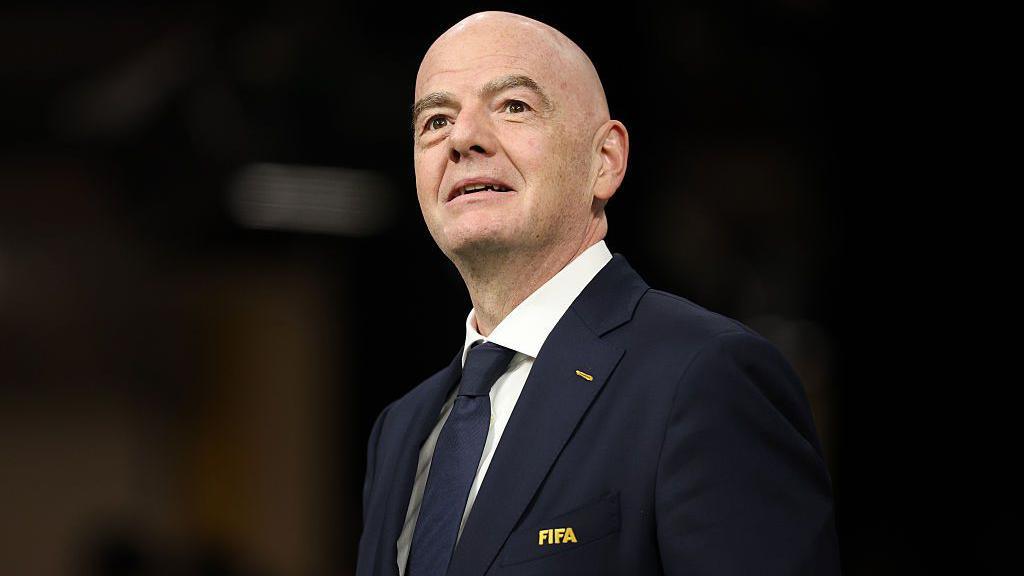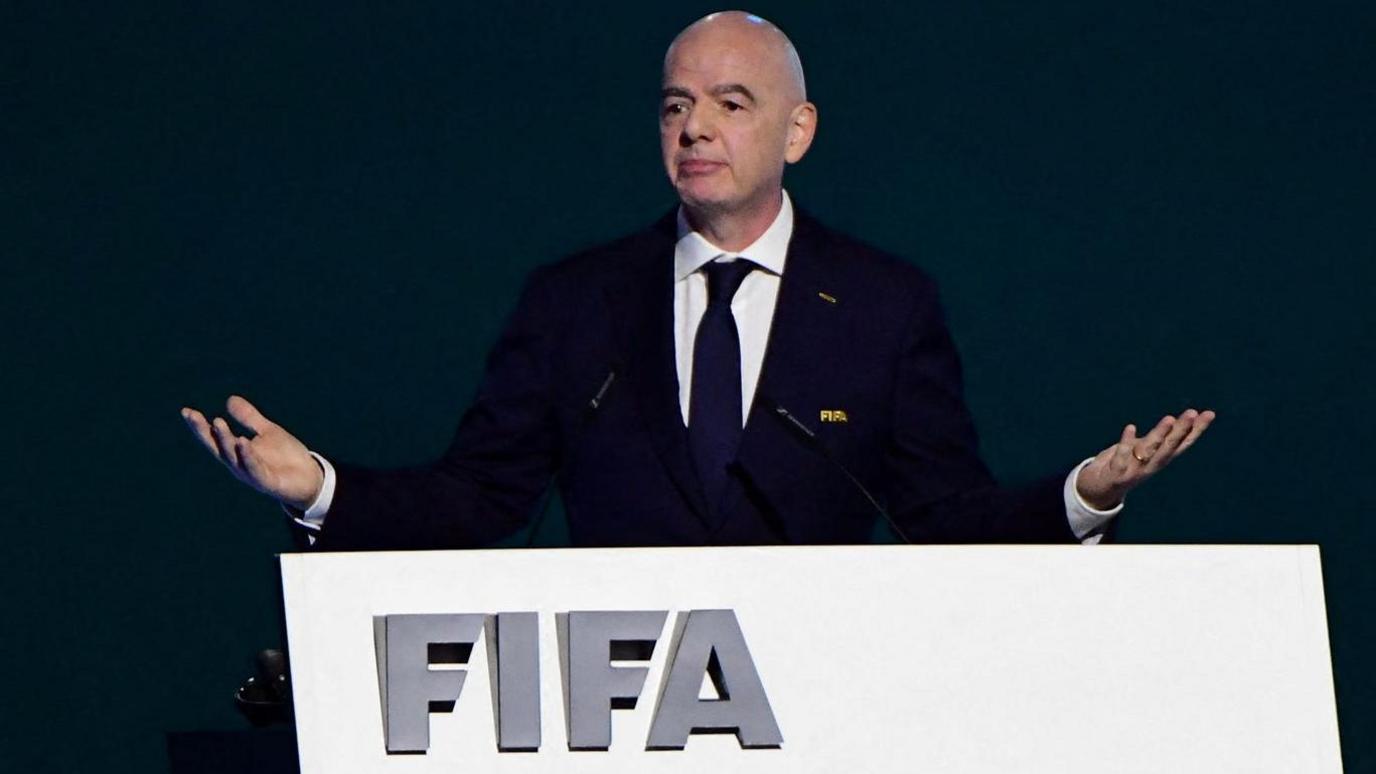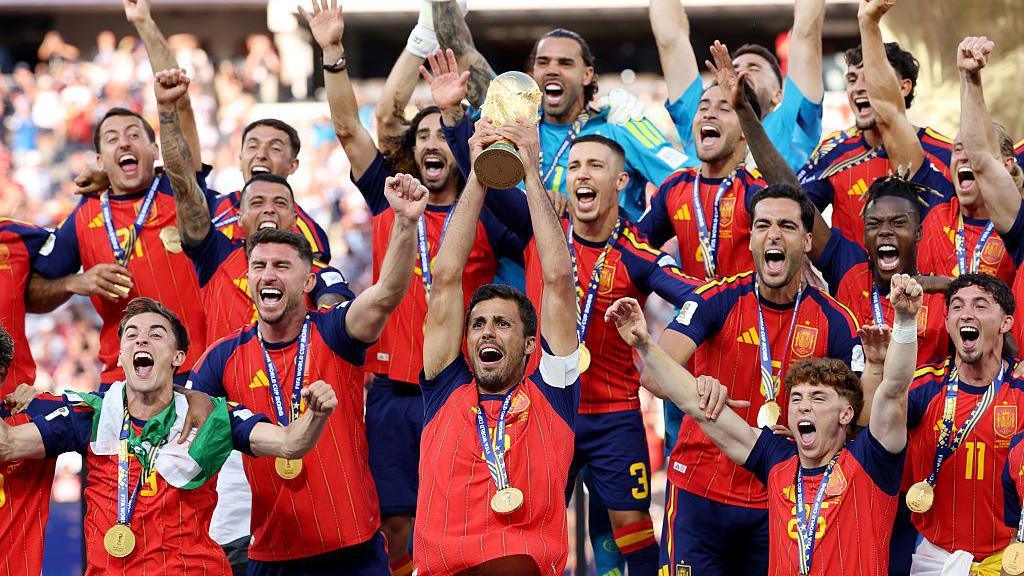
UEFA, the body that governs European football, voted at an emergency meeting to boycott FIFA World Cups if the sport’s governing body proceeds with a plan to sell stakes in its competitions to private investors. The decision follows a proposal announced earlier this week by FIFA president Gianni Infantino.
FIFA’s plan involves creating a commercial subsidiary, Fifa Forward Enterprise (FFE), to run its main events, including the World Cup. External investors would be able to acquire non‑controlling minority stakes in the subsidiary. FIFA has offered financial incentives to national associations for backing the proposal, with a deadline set for 19 September. If the plan is approved, FIFA intends to secure the first tranche of private investment cash by the end of October.
UEFA’s statement declared that the World Cup cannot be treated as an investment product and that it has unequivocally rejected any transfer of ownership interests in FIFA competitions to private investors. A potential boycott would cover all FIFA competitions, including the men’s and women’s World Cups and the Club World Cup, and would be triggered if the proposals are adopted by association votes.
The meeting was chaired by UEFA president Aleksander Ceferin and was described by participants as venomous, reflecting the strength of feeling against the proposals. Key UK football figures such as EA and UK Prime Minister Andy Burnham criticised the plans, while fan organisations like Football Supporters’ Europe praised UEFA’s stance as a “proper show of force”.
UEFA’s boycott warns that European teams could be excluded from the 2026 World Cup, a scenario that could undermine the commercial viability of the tournament and damage the league structures across Europe. UEFA has emphasized that the World Cup is not for sale and that it remains the responsibility of football stakeholders to protect the game’s heritage.
The future of FIFA’s financing strategy hangs in the balance. It is unclear how FIFA and Infantino will respond to the boycott threat, nor how the decision will affect the timing and existence of future competitions, such as the U‑20 World Cup in Poland this September. If FIFA proceeds, disputes could deepen, potentially leading to a schism in global football governance, although most stakeholders anticipate a resolution that maintains unity across the sport.