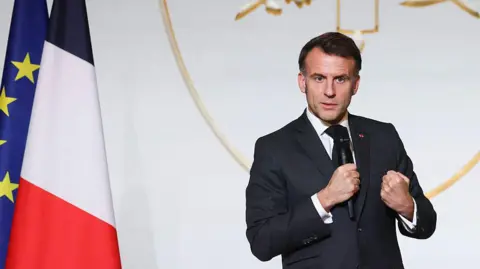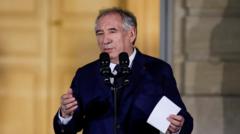
François Bayrou, a centrist leader and mayor from southwestern France, has been appointed as the new Prime Minister by President Emmanuel Macron. Bayrou replaces Michel Barnier, who was ousted just nine days into his role following controversy over budget cuts aimed at addressing France's escalating fiscal deficit, expected to reach 6.1% of GDP this year. During his initial statements, Bayrou emphasized the importance of addressing the country’s deficit and public debt, referring to it as a moral obligation that shouldn’t fall onto the next generation.
Bayrou, who heads the MoDem party, is viewed by Macron's team as a potential consensus builder, a crucial role given the political deadlock affecting the French government. This recent turmoil stems from snap parliamentary elections called by Macron after disappointing results in the EU elections, which left three major political blocs in contention. Bayrou's predecessor faced backlash from both left-wing and right-wing factions, culminating in his removal due to disagreements over budgetary measures.
Despite pressure from various political leaders, including the Socialist Party's Olivier Faure, who declined to join Bayrou’s government, the new Prime Minister’s success hinges on securing political alliances across the aisle. Notably, the far-left party France Unbowed has already threatened to initiate a vote of no confidence against him early on.
Back at the Élysée Palace, Macron is navigating a complex political landscape in hope of restoring stability as he approaches the midpoint of his second term. The method in which Bayrou crafts a governing coalition will be critical, especially since he aims to foster dialogue among distinct political factions to avert the fate of his predecessor. Macron’s administration is under pressure to draft a sustainable budget for 2025 as scrutiny grows over public spending and economic stability.